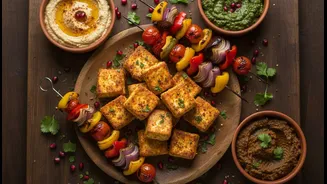




Mistake 1: Not Prepping Your Paneer
One of the most frequent complaints about paneer is its tendency to become hard and chewy when cooked. This often happens because store-bought paneer can be dense, having lost moisture during processing and refrigeration. The single most effective fix
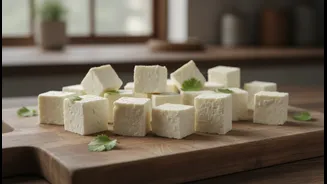
is a simple soak. Before you begin cooking, cut your paneer into cubes and soak them in warm, slightly salted water for 10 to 15 minutes. This simple step rehydrates the cheese, making it soft and sponge-like, ready to absorb the flavours of your dish. Be careful not to soak it for too long, as it can become too mushy. This quick prep works for both fresh and frozen paneer, ensuring a tender bite every time.
Mistake 2: Overcooking and High Heat
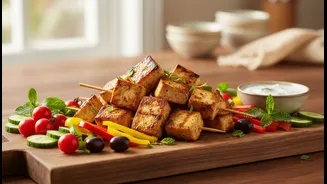
Paneer is a delicate fresh cheese, not a vegetable or meat that needs a long cooking time. Its proteins tighten quickly when exposed to heat, which is why it often turns rubbery. A major error is adding paneer too early to a curry and letting it boil for a long time. To prevent this, always add your paneer cubes at the very end of the cooking process. Once your gravy or masala is ready, gently stir in the paneer and simmer for just a few minutes—no more than five to seven—until it's heated through. Similarly, if you are frying paneer for a tikka or a dry dish, use a medium to high flame for a very short duration, just enough to get a light golden crust. The goal is a quick sear, not a deep fry.
Mistake 3: Skipping the Marinade
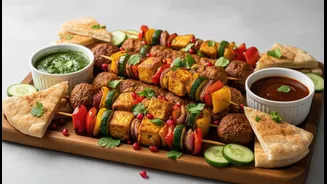
Paneer has a wonderfully mild and milky flavour, but on its own, it can be quite bland. A common oversight is adding plain paneer directly to a dish and expecting it to absorb flavour in just a few minutes of simmering. To create truly flavourful dishes, you need to mix your paneer with a marinade. A simple mix of yogurt, ginger-garlic paste, and spices like turmeric, red chilli powder, and garam masala can transform your paneer. Let it marinate for at least 30 minutes, or even overnight, to allow the flavours to penetrate deep inside. This step is crucial for appetisers like paneer tikka but also adds incredible depth to curries like shahi paneer or paneer butter masala.
Mistake 4: Not Mixing with Complementary Textures
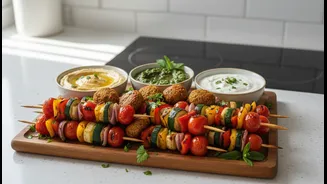
A great dish is about a balance of flavours and textures. Serving paneer alone or in a simple, one-note gravy can be monotonous. The key is to mix it with other ingredients that provide contrast. Vegetables are paneer's best friend. Pairing soft paneer with the crunch of bell peppers (capsicum), onions, and the sweetness of corn or peas creates a more dynamic and satisfying meal. Dishes like Kadai Paneer are popular for exactly this reason—they mix tender paneer with crisp, colourful vegetables in a spicy masala. Don't be afraid to experiment with a variety of vegetables like carrots, french beans, and cauliflower to make your paneer dishes more nutritious and texturally interesting.
Mistake 5: Sticking to Only Cubes
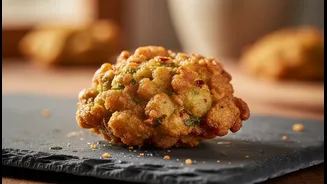
While cubed paneer is the most common form, thinking beyond the block opens up a world of culinary possibilities. 'Mixing' paneer doesn't just mean with other ingredients, but also mixing up its form. For a fantastic party appetiser or a quick weekday meal, try crumbling paneer to make paneer bhurji, a savoury scramble with onions, tomatoes, and spices. Grated paneer can be mixed with potatoes and spices to form delicious tikkis or koftas. You can also slice it into thin slabs for sandwiches or pan-fry them to top salads. By changing the shape and form, you change the way it interacts with other ingredients, leading to new and exciting dishes perfect for any occasion.