


The Old Favourite: Getting to Know Puffed Rice
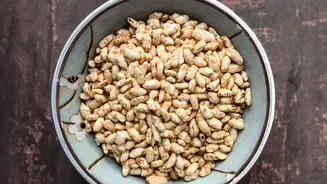
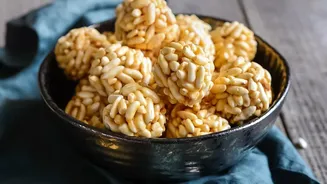
Puffed rice, known affectionately in India as 'murmura' or 'pori', is a snack-time staple that has been around for generations. It’s the light, airy foundation of countless chaats, most famously bhel puri, and a familiar sight in breakfast cereals. The
process to create it is fascinatingly simple yet scientific. Rice kernels are heated under high pressure with steam, which causes the moisture within to expand and 'puff' the grain. The result is a wonderfully light, white, and crisp product that is incredibly versatile. Its flavour is very neutral, making it an excellent carrier for other, bolder tastes, whether it's the spicy and tangy chutneys in street food or the sweetness of jaggery in a homemade snack bar.
The Modern Challenger: The Rise of Quinoa Puffs
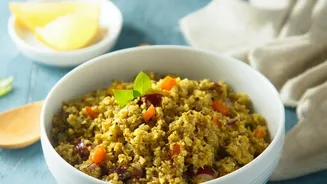
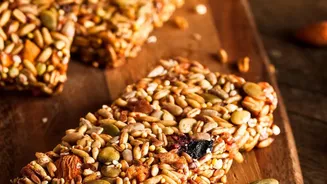
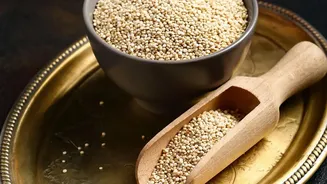
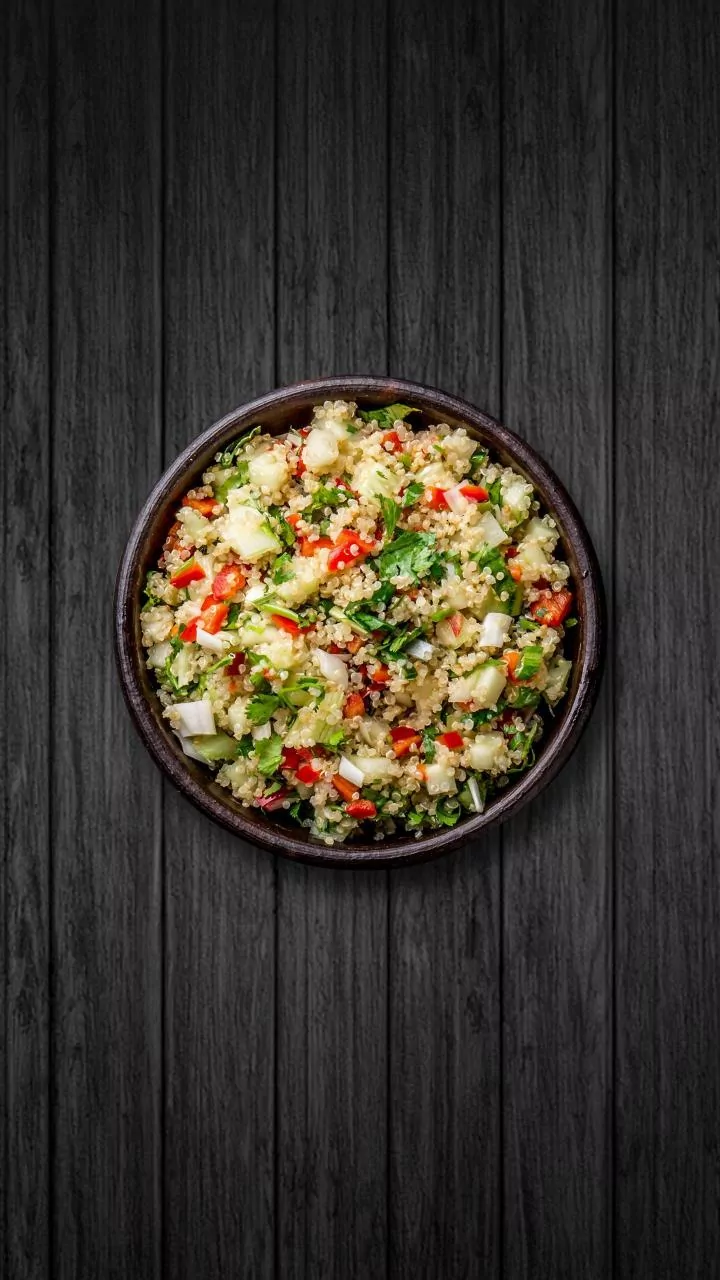
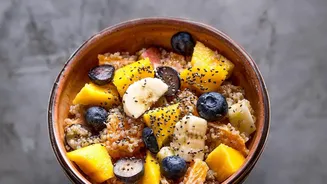
Quinoa has enjoyed a meteoric rise in the health food world, celebrated for its robust nutritional profile. So, it was only a matter of time before it was transformed into a crunchy snack format. Puffed quinoa is made by heating the tiny quinoa seeds until they pop, much like popcorn but on a miniature scale. This process can be done at home in a dry pan or through more industrial methods. The resulting puffs are denser and smaller than puffed rice, with a distinct nutty flavour inherited from the quinoa seed itself. They have become popular in health-focused cereals, granola, energy bars, and as a crunchy topping for everything from yoghurt bowls to salads.
The Nutritional Showdown
Here's where the two contenders really start to show their differences. Puffed rice is very low in calories, fat, and protein, making it a light option if volume is what you crave without a heavy nutritional load. A cup of puffed rice contains just over 50 calories. However, it's almost entirely carbohydrate and has a high glycemic index (GI), meaning it can cause a rapid spike in blood sugar. Quinoa puffs, on the other hand, pack a much stronger nutritional punch. Quinoa is a complete protein, meaning it contains all nine essential amino acids, which is rare for a plant-based food. Per serving, quinoa puffs offer significantly more protein and fibre than puffed rice. A 100g serving of quinoa puffs can contain around 14g of protein and 7g of fibre. This higher protein and fibre content helps promote satiety, keeping you fuller for longer. Quinoa also boasts a lower GI compared to white rice, leading to a slower, more sustained release of energy.
Taste, Texture, and Culinary Use
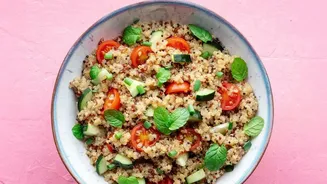
Your choice might simply come down to taste and texture. Puffed rice is characterised by its light, airy, and crisp texture that tends to soften quickly in liquids. Its neutral taste makes it a blank canvas. It excels in preparations where it can absorb flavours, like in a well-mixed bhel puri, or provide a simple, crunchy base for sweet treats like marshmallow squares. Quinoa puffs offer a different experience. They are smaller, denser, and have a more substantial, satisfying crunch that holds up better against moisture. Their inherent nutty flavour adds a layer of taste to any dish. This makes them an excellent 'plus one' ingredient, adding both texture and a nutritional boost to smoothie bowls, salads, soups, and homemade granola bars without needing to be the star of the show.
Which Puff is Right for You?
Ultimately, there is no single 'winner'. The best choice depends entirely on your personal health goals and culinary needs. Choose puffed rice if: - You are looking for a very low-calorie, low-fat snack base. - You want a light, airy texture and a neutral flavour to pair with strong spices or sweeteners. - You're making a traditional Indian snack like bhel puri or jhal muri where its texture is essential. Choose quinoa puffs if: - You want to increase your protein and fibre intake. - You're seeking a more nutrient-dense snack that will keep you feeling full and provide sustained energy. - You enjoy a nuttier flavour and a denser, crunchier texture in your snacks and toppings.