



The Ancient Grain Making a Modern Comeback
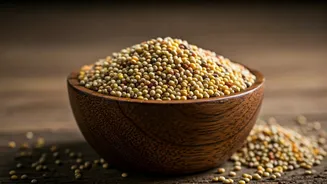
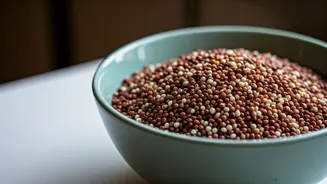
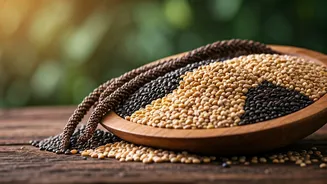
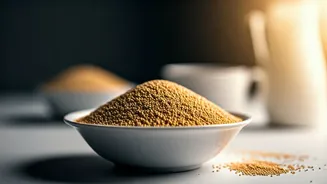
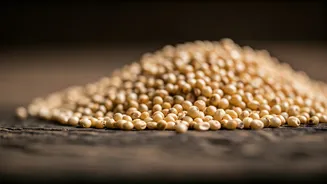
The grain in question isn't a new import or a fleeting trend, but our very own millets. For centuries, grains like jowar (sorghum), bajra (pearl millet), and ragi (finger millet) were staples of the Indian diet. These hardy, nutrient-dense powerhouses
are now being rediscovered by a new generation seeking healthier, more sustainable food choices. Praised for their resilience in the field and their benefits on the plate, millets are re-emerging from the shadow of wheat and rice to reclaim their title as a cornerstone of Indian nutrition.
The Fibre Powerhouse Explained
The standout benefit of millets for breakfast is their impressive dietary fibre content. A high-fibre breakfast helps you feel fuller for longer, curbing mid-morning snack cravings and aiding in weight management. This is because fibre slows down digestion, leading to a more gradual release of energy. Unlike sugary cereals that can cause a sharp spike and crash in blood sugar, a millet-based breakfast provides sustained energy to keep you focused. Furthermore, fibre is crucial for digestive health, promoting regular bowel movements and feeding the beneficial bacteria in your gut.
Meet the Millet Trio: Jowar, Bajra, and Ragi
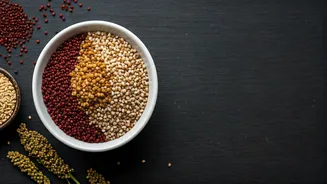
While there are many types of millets, three are particularly popular in Indian kitchens. Jowar (sorghum) is celebrated for its high fibre content, which aids digestion and can help lower 'bad' LDL cholesterol levels. Bajra (pearl millet) is another fibre-rich option, packed with iron, magnesium, and protein, making it excellent for energy and bone health. Ragi (finger millet) is a nutritional marvel, renowned for being one of the best plant-based sources of calcium. Its high fibre content also helps in managing blood sugar levels, making it a great choice for a steady start to the day.
Easy Ways to Bring Millets to Your Breakfast Table
Incorporating millets into your morning routine is easier than you think. You don't have to overhaul your diet overnight. Start by swapping your usual breakfast with a millet-based one a few times a week.
Millet Upma or Poha: Replace semolina (suji) or white rice flakes with millet grits like bajra or barnyard millet to make a savoury upma or poha. Sautéed with your favourite vegetables and spices, it becomes a hearty and nutritious meal.
Ragi Dosa or Idli: Add ragi flour to your regular dosa or idli batter. This not only boosts the nutritional value but also adds a unique, nutty flavour. These gluten-free options are light, spongy, and pair perfectly with sambar and chutney.
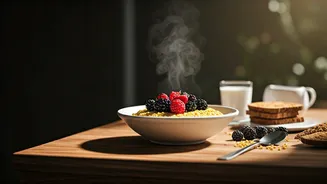
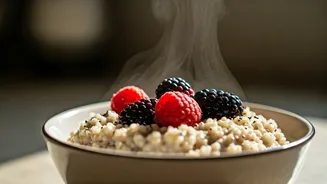
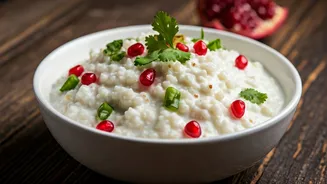
Millet Porridge: A warm bowl of millet porridge, known as ragi malt or kanji, is a comforting and highly nutritious way to start the day. It can be made sweet with jaggery and milk or savoury with buttermilk and spices.
Tips for Preparing Millets
If you're new to cooking with millets, a little preparation can make a big difference. Most millets benefit from being rinsed thoroughly and soaked for a few hours before cooking. Soaking helps to soften the grain and can make its nutrients more easily digestible. For flours like ragi, you can mix them with water to form a smooth paste before cooking to avoid lumps. When starting out, you can even mix millet flour with your regular whole wheat atta to make multigrain rotis or parathas, gradually getting accustomed to the taste and texture.