





The Renter’s Toolkit
For any tenant, the fear of leaving marks, holes, or peeled paint on the walls is real. This is where damage-free adhesive hooks and strips become essential. These products use a special adhesive that holds strong on various surfaces — from painted walls to
tiles and wood — but can be removed cleanly without leaving a trace. Similarly, tension rods, which use spring-loaded pressure to fit snugly between two walls, require no drilling or hardware. They are no longer just for shower curtains; they are a versatile tool for creating storage and structure out of thin air. Together, they form the backbone of temporary, stylish, and functional home upgrades.
Tension Rods: Beyond the Bathroom
Think of a tension rod as a portable, extendable beam you can place almost anywhere. In the kitchen, a small tension rod placed vertically can organize chopping boards and baking sheets in a cabinet. Place one under the sink to hang spray bottles by their triggers, instantly freeing up floor space for other cleaning supplies. In the bedroom closet, a second rod can double your hanging space for shirts or trousers, or you can use smaller rods to create dividers for shoes. They can also create makeshift 'rooms' by hanging a light curtain to hide cluttered shelves or create a small, private home office nook in a larger living area.
Creative Hacks with Adhesive Hooks
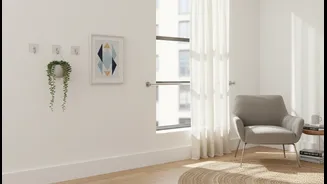
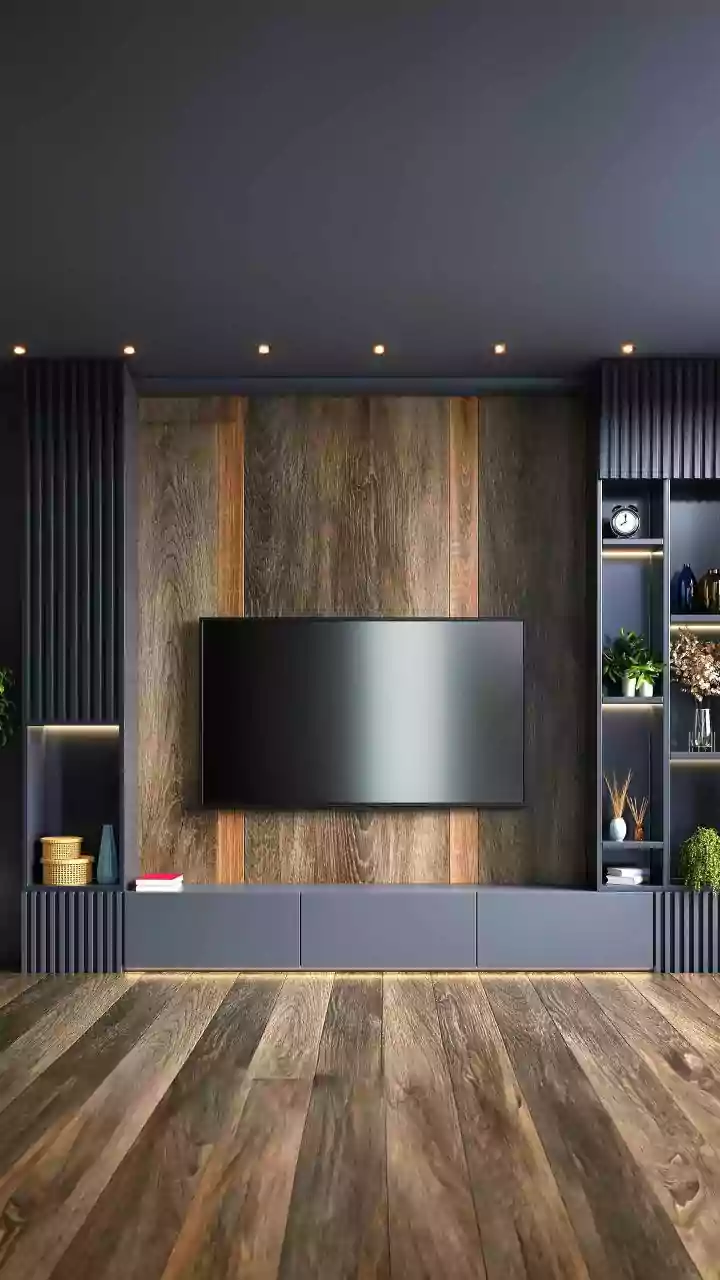
Adhesive hooks are for more than just hanging picture frames and calendars. Use them inside a cabinet door to hang measuring cups, pot lids, or kitchen tools for easy access. Behind your television console or desk, a few strategically placed hooks can tame the mess of wires and cables, keeping them organised and out of sight. In the entryway, a cluster of hooks creates an instant drop-zone for keys, light scarves, and tote bags. You can even use them on the side of a filing cabinet or refrigerator to hang lightweight organisers. The key is to check the weight limit on the packaging and choose the right hook for the job.
Combining Forces for a Total Transformation
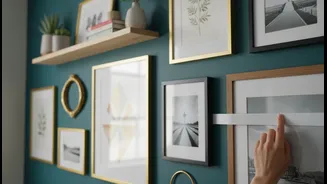
The real magic happens when you start using hooks and rods together. Want a beautiful canopy over your bed? Use strong adhesive hooks on the wall or ceiling to hold the ends of lightweight dowels or tension rods, and drape fabric over them. You can create a stunning gallery wall using a mix of different-sized frames, all hung with damage-free picture-hanging strips. For plant lovers in flats with limited surfaces, run a tension rod across a window frame and use S-hooks to hang small, lightweight pots. This creates a beautiful living curtain that doesn't take up any floor space. A tension rod placed in a closet with a few hooks can also become an instant rack for jewellery, belts, and scarves.
A Word on Indian Conditions
While these tools are incredibly useful, it's important to use them correctly, especially given the heat and humidity common in many Indian cities. Before applying any adhesive hook, make sure the wall surface is clean and dry. Press firmly and, if the instructions suggest it, wait for the adhesive to cure before hanging anything. One source notes that in high humidity, some adhesives may fail or take paint with them upon removal, so it's wise to test a hook in an inconspicuous area first. For tension rods, ensure you have a firm, solid surface on both ends. When removing adhesive strips, always pull straight down, slowly, to stretch the adhesive and release it cleanly from the wall, preventing any damage.