




Long before ‘upcycling’ became a trendy buzzword, Indian households perfected the art of breathing new life into old fabrics. These five traditions show how resourcefulness, creativity, and sustainability have been woven into our cultural fabric.
Kantha: The Running Stitch of Bengal
Originating
from West Bengal, Kantha is a testament to the ingenuity of rural women. The word 'Kantha' itself is said to mean 'patched cloth'. This tradition involves layering soft, worn-out saris and dhotis, often three to four layers deep, and stitching them together with a simple running stitch. The thread used for the embroidery was traditionally pulled from the colourful borders of the old saris themselves, ensuring nothing went to waste. What begins as a practical way to make light quilts (lep) or covers becomes a canvas for storytelling. Artisans embroider motifs from mythology, nature, and daily life, making each Kantha piece a unique narrative of personal and cultural history. Today, this humble craft has been adapted for sarees, dupattas, and home furnishings, carrying its legacy of resourcefulness to a new generation.
Sujani: Bihar's Stitched Stories
Hailing from Bihar, Sujani or Sujini translates to 'easy birth', which points to its origins. Traditionally, women would layer and stitch together patches of old dhotis and saris to create soft quilts for newborn babies. These were not merely blankets; they were protective talismans. Mothers and family members would stitch their hopes, dreams, and blessings into the fabric, often using motifs like the sun, fertility symbols, and mythical creatures to ward off evil and bestow good fortune upon the child. The process uses a simple running stitch for the base and chain stitches to outline the detailed narrative scenes. While it began as a purely domestic art, Sujani has gained recognition as a powerful form of cultural expression and a source of livelihood for women artisans in regions like Muzaffarpur.
Godhadi: Maharashtra's Patchwork of Love
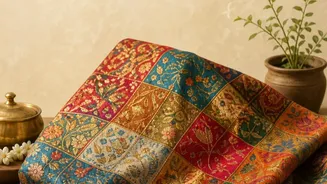
In Maharashtra and parts of neighbouring states, the Godhadi is a quilt born from necessity and affection. Similar in principle to Kantha and Sujani, Godhadis are created by layering old cotton saris, shirts, and other used textiles. These layers are then hand-stitched together into warm and durable blankets. The beauty of the Godhadi lies in its eclectic, multi-coloured appearance, a direct result of the varied scraps used in its creation. Each patch tells a story of a garment once loved and worn. Making a Godhadi is often a communal activity, with women gathering to piece together these textile heirlooms, turning fragments of the past into a comforting, functional object for the future. It embodies a pure form of recycling, transforming waste into warmth and security.
Chindi: Weaving Wonders from Scraps
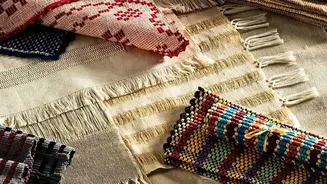
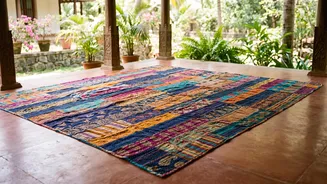
The word 'Chindi' literally means 'scrap' or 'torn cloth' in Hindi, and this craft makes no secret of its humble origins. Practised across India, Chindi work involves collecting, cutting, and weaving strips of waste fabric into vibrant, durable products. These fabric scraps, sourced from old clothes or industrial textile waste, are braided or woven on looms to create colourful rugs, mats, bags, and baskets. The result is often a riot of colour and texture, with no two Chindi products being exactly alike. This tradition is a powerful example of turning waste into wealth, providing livelihoods for many artisans, particularly women in rural areas, while championing a circular economy in its most authentic form.
Pattu: The Patchwork Art of Kutch
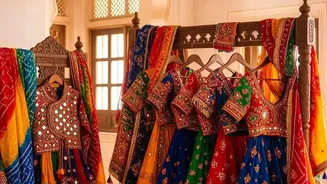
From the pastoral communities of Kutch in Gujarat comes the intricate art of Pattu, a form of patchwork and appliqué. While not exclusively a recycling tradition, it often incorporates pieces of older textiles into its vibrant designs. Artisans skillfully cut and stitch small pieces of fabric onto a base cloth, creating elaborate geometric and figurative patterns. This technique was traditionally used to create decorative hangings, animal coverings, and bags. The craft showcases an incredible eye for colour and composition, transforming small, disparate patches into a cohesive and stunning whole. Pattu is a celebration of detail and precision, proving that even the smallest pieces, when put together with care and vision, can create something of immense beauty.