

Know Before You Go: Check Official Alerts
The first rule of monsoon travel in Mumbai is to stay informed. Before you even consider leaving, check the latest updates from official sources. The India Meteorological Department (IMD) issues colour-coded alerts (red, orange) for heavy rainfall. The Brihanmumbai
Municipal Corporation (BMC) and Mumbai Police regularly post advisories on social media and their official channels. These updates provide crucial information on waterlogged areas, traffic diversions, and public transport status. The BMC's official 'Disaster Management BMC' app can also provide location-specific alerts and information on tide timings, which are critical for predicting flooding in low-lying areas. If authorities advise staying indoors unless absolutely necessary, it's best to postpone non-essential travel.
Prepping Your Vehicle for Wet Roads
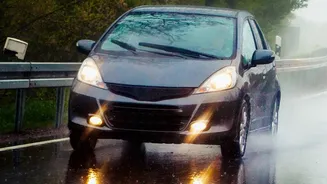
If you must drive, a pre-journey vehicle check is non-negotiable. The Mumbai Police have issued guidelines emphasizing several key points. Ensure your windshield wipers are in good condition for clear visibility, and that your headlights are functional, as they are essential in downpours. Check your tyre pressure and tread to ensure a good grip on slippery roads, which helps prevent skidding and reduces braking distance. It's also wise to check your car's horn, ventilation system, and exhaust. Avoid parking under trees to prevent damage from falling branches, a common occurrence during strong winds and heavy rain. Most importantly, never attempt to drive through heavily waterlogged streets. The water can be deeper than it appears, hiding potholes or open manholes, and can easily cause your vehicle to stall or lose control.
Navigating Public Transport
Mumbai's local trains and BEST buses are the city's lifelines, but they are also highly susceptible to monsoon disruptions. Waterlogging on tracks frequently causes significant delays or suspensions, particularly on the Central and Harbour lines and in low-lying areas like Sion and Andheri. Before heading to the station, check real-time train status through apps like m-Indicator. Platforms can become extremely slippery, so wear footwear with a good grip and stay behind the yellow safety line. For bus travel, be prepared for diversions and long waits due to traffic congestion. If possible, opt for elevated metro lines, which are generally more resilient to flooding.
Pack a Monsoon Go-Bag
A small, waterproof bag with essential items can be a lifesaver if you get stranded. Your kit should contain a fully charged power bank, as connectivity is crucial for staying updated and contacting help. Pack a lightweight raincoat or poncho and a sturdy umbrella; often, an umbrella alone is not enough to protect you from the city's torrential downpours. Include a change of clothes and a pair of open-toed rubber footwear, like floaters or sandals, in a waterproof bag. Leather shoes and sneakers will likely be ruined, and walking in wet shoes is a health hazard. Also, carry a small first-aid kit, personal medications, and some dry snacks and a bottle of clean drinking water. Protecting electronics and documents in plastic or ziplock bags is also a wise move.
Personal Health and Safety
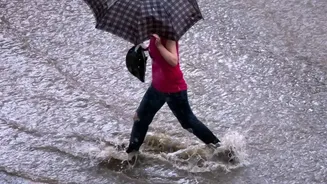
Wading through floodwater is not just inconvenient; it poses significant health risks due to waterborne diseases like leptospirosis. If you must walk through stagnant water, do so slowly and carefully, as it can hide open drains and uneven surfaces. The BMC advises against it whenever possible and recommends wearing fully covered waterproof footwear. It is also recommended to avoid street food, especially items that may have come into contact with contaminated water. During heavy rain and lightning, avoid taking shelter under trees and stay away from electric poles or fallen wires. Keep emergency numbers, like the BMC's disaster helpline (1916), saved on your phone.