



The Spirit of the Janmashtami Fast
Fasting, or 'vrat', on Janmashtami is more than just abstaining from food; it is a practice of discipline and devotion intended to bring one closer to the divine. The core idea is to reduce worldly distractions, allowing the mind to focus on prayers,
meditation, and remembrance of Lord Krishna. Devotees observe this fast in various ways depending on family traditions, health, and personal capacity. The most common form is a 'phalahar' vrat, where specific foods like fruits and milk are consumed. A stricter 'nirjala' vrat involves abstaining from both food and water until the fast is broken, typically after the midnight birth celebrations. The goal is not hardship, but a mindful expression of faith.
Foods to Embrace During Your Vrat
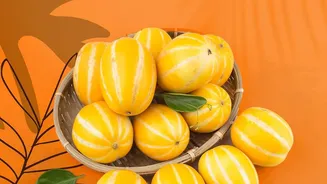
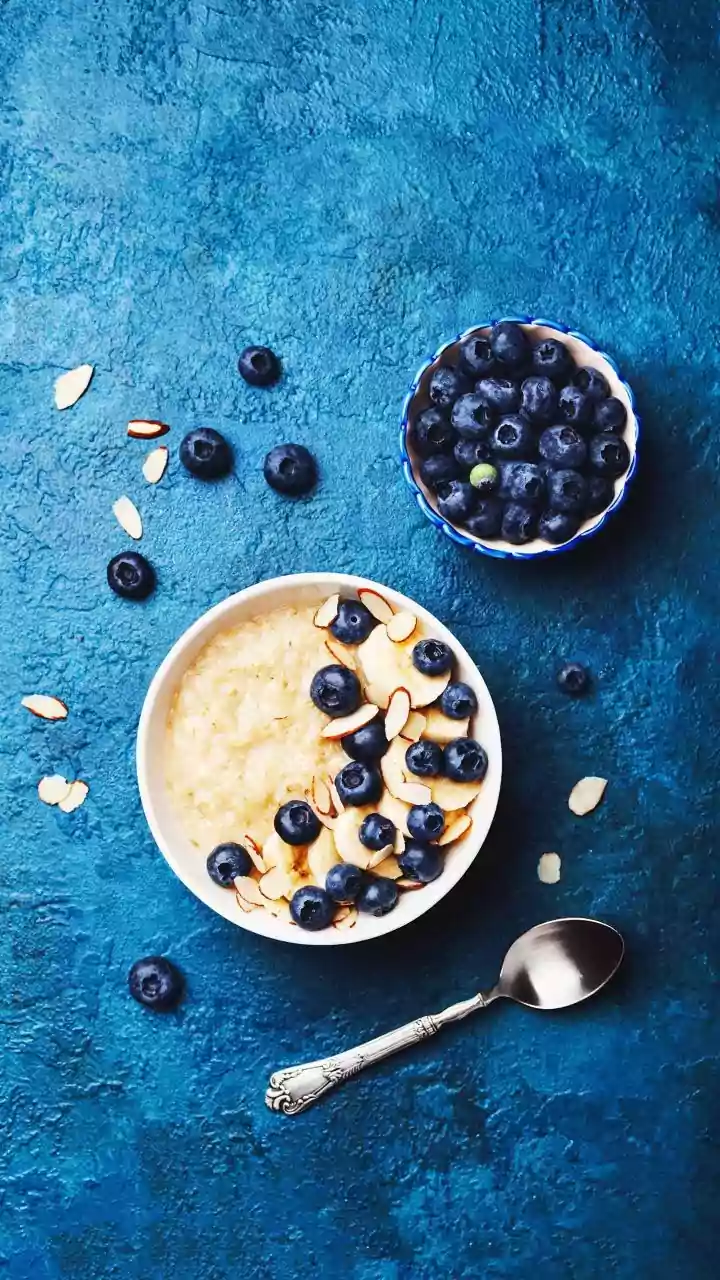
When observing a 'phalahar' fast, there is a wide array of permitted foods to keep you nourished. The focus is on 'sattvic' (pure) ingredients that are light on the system. All fruits are welcome, including bananas, apples, and pomegranates. Dairy products like milk, curd, paneer, and buttermilk are central to the vrat diet. For staples, devotees turn to special non-grain flours such as Kuttu ka atta (buckwheat flour), Singhare ka atta (water chestnut flour), and Rajgira (amaranth flour). Sabudana (tapioca pearls) and Samak ke chawal (barnyard millet) are also popular choices for making dishes like khichdi and kheer. Vegetables like potatoes, sweet potatoes, raw banana, and pumpkin are allowed, and for seasoning, only Sendha Namak (rock salt) should be used instead of regular table salt.
Ingredients to Strictly Avoid
The list of foods to avoid is just as important as the list of what to eat. All grains and cereals, such as wheat and rice, are forbidden. This includes products made from them, like regular flour and bread. Pulses and lentils are also not consumed during the fast. Certain vegetables are considered 'tamasic' (creating restlessness) and are avoided, most notably onions and garlic. Non-vegetarian food, including meat, fish, and eggs, is strictly off-limits. In addition to food, intoxicants like alcohol and tobacco should be completely avoided. Common table salt is replaced with rock salt, and some strong spices like asafoetida (hing) are also omitted from fasting recipes.
Simple Meal Ideas for Your Fast
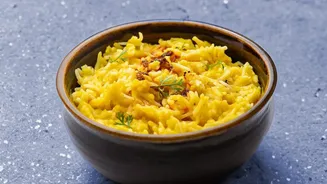
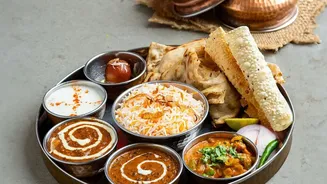
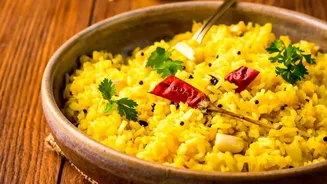
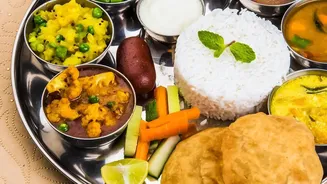
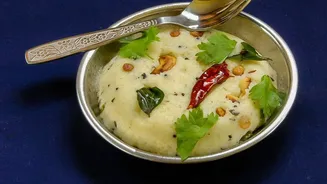
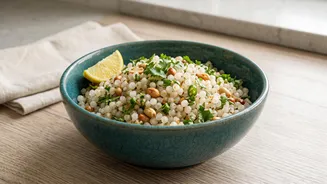
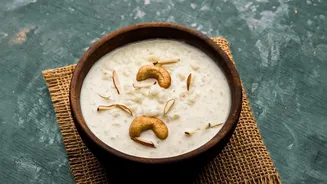
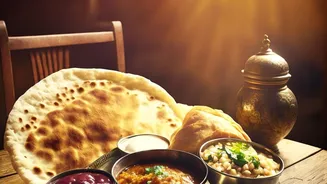
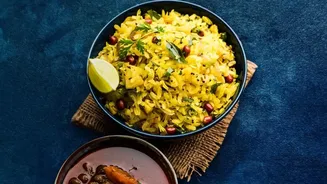
Keeping your energy levels up during the fast is crucial, but it doesn't have to be complicated. For a light meal, a bowl of fresh fruit chaat or a glass of lassi can be very refreshing. A popular and filling option is Sabudana Khichdi, made with tapioca pearls, peanuts, and potatoes seasoned with rock salt and pepper. You can also make puris or rotis using Kuttu or Singhara flour, served with a simple potato curry (Aloo ki Sabji) made without onion or garlic. Roasted makhana (fox nuts) are an excellent snack, lightly tossed in ghee and rock salt. For something sweet, you can prepare a kheer with sabudana, makhana, or samak rice, sweetened with jaggery or sugar.
Staying Healthy and Hydrated
While fasting, it's important to listen to your body and not overexert yourself. Unless you are observing a strict 'nirjala' fast, hydration is key. Drink plenty of water and other permitted liquids like coconut water or fresh fruit juices (without added sugar) throughout the day to avoid fatigue and headaches. It's also a common pitfall to overindulge in fried vrat foods like pakoras and vadas. While delicious, these can be heavy and counterproductive to the fast's purpose of cleansing the body. Try to balance fried items with lighter, roasted, or boiled preparations to feel energized and not sluggish. The essence of the fast is moderation and mindfulness.