


The Pre-Trip Check: Your First Line of Defence
Before you even turn the key, a thorough vehicle inspection is non-negotiable. Your car's ability to handle wet conditions starts with its basic components. First, check your tyres. They are your only connection to the road, and worn tyres dramatically
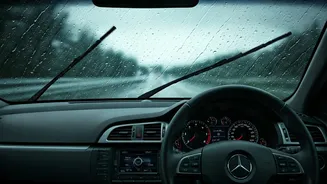
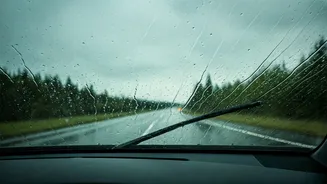
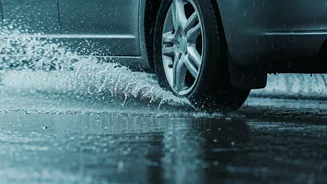
increase the risk of aquaplaning, where a layer of water builds between the rubber and the road, causing a complete loss of control. [2, 5, 6] Ensure your tyres have a tread depth of at least 3 mm and are inflated to the manufacturer's recommended pressure. [7] Next, inspect your wiper blades. If they leave streaks or make noise, replace them immediately; clear vision is paramount in a downpour. [2, 17] Finally, test all your lights: headlights (low and high beam), tail-lamps, brake lights, and indicators. [3, 19] In reduced visibility, being seen is as important as seeing. [11]
Mastering Visibility and Control on the Road
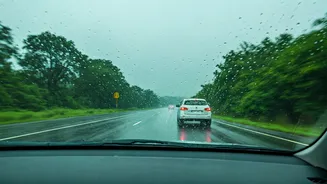
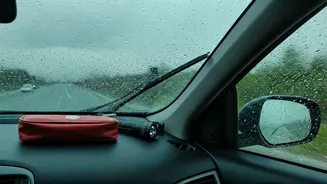
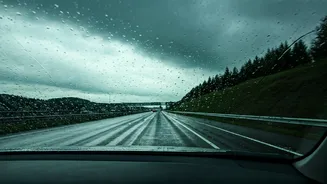
Once you're on the move, your driving style needs to adapt. The single most important adjustment is to slow down. [8, 11] Your braking distance on wet roads can be double that on dry tarmac, so reducing speed gives you more time to react. [7, 23] Maintain a much larger gap between you and the vehicle ahead; a five-second rule is a good benchmark. [10, 20] Switch on your low-beam headlights, even during the day, to improve your visibility to other drivers. [6, 8, 11] Avoid using high beams as they reflect off the rain and can worsen your vision and blind oncoming traffic. [6, 8] Inside the car, use your air conditioner to prevent the windscreen from fogging up from the inside, which happens quickly in high humidity. [17]
The Danger of Aquaplaning (and How to Handle It)
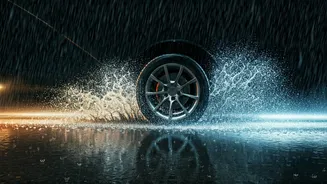
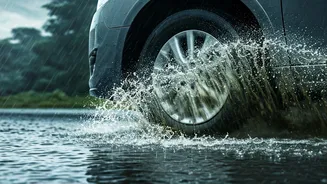
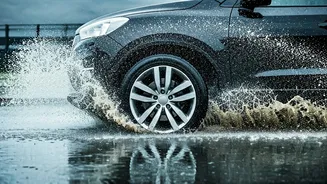
Aquaplaning, or hydroplaning, is one of the most frightening experiences on a wet road. It occurs when your tyres can't displace water fast enough and start to glide on top of it, leading to a loss of steering and braking. [4, 5, 6] It's more likely at higher speeds and in areas with standing water. To prevent it, slow down, avoid puddles, and try to drive in the tracks of the vehicle ahead of you, where the tyres have already pushed some water away. [4, 7] If you feel the steering become light and unresponsive, do not panic or slam on the brakes. [5] Instead, ease your foot off the accelerator gently and keep the steering wheel straight. [5, 15] Let the car slow down naturally until you feel the tyres regain their grip on the road surface. [4, 5]
Navigating the Nightmare of Waterlogged Roads
In India, encountering a flooded street is a common monsoon hazard. The golden rule is: when in doubt, don't drive through it. It's impossible to judge the depth of murky water, which can conceal deep potholes or open manholes. [6, 7] As little as six inches of water can be enough to stall your engine, and a foot of water can float many cars. [21] If you must proceed, ensure the water level is well below the bottom of your doors and your car's air intake. Drive slowly and steadily in a low gear to keep the engine revs high, preventing water from entering the exhaust pipe. [12, 22] Avoid creating a bow wave that can flood your own engine bay. [9] Once you're through, gently tap your brakes a few times to dry them out and restore their effectiveness. [12, 18]
Be Prepared for Breakdowns and Emergencies
Even with perfect preparation, things can go wrong. Traffic jams are more frequent and longer during the rains, so always start your journey with a full tank of fuel. [11, 14] Pack a monsoon-specific emergency kit in your car. This should include a powerful torch with extra batteries, a tow rope, jumper cables, a reflective warning triangle, and a first-aid kit. [17, 18, 23] Also, keep dry towels, an umbrella, a change of clothes, and some non-perishable snacks and drinking water. [14, 18] A fully charged power bank for your phone is essential to call for roadside assistance if you get stranded. [18] Being prepared for a long wait can turn a potential crisis into a manageable inconvenience.