







What is a Slow Holiday?
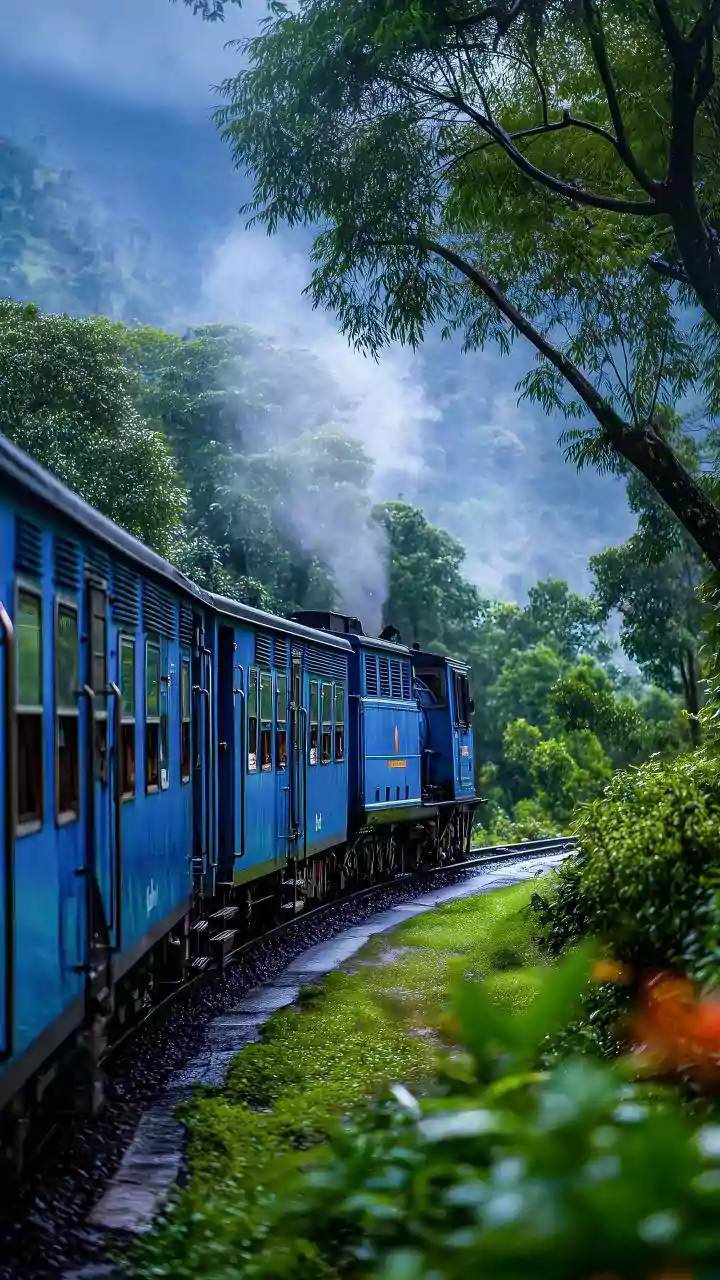
Slow travel is a mindset focused on experiencing a destination with intention rather than rushing to see it all. Inspired by Italy's Slow Food movement, it encourages travellers to spend more time in fewer places, fostering a deeper connection with the local
culture, people, and environment. Instead of a whirlwind tour of multiple cities, a slow holiday might involve settling into one town or region for a week or more. This approach swaps a packed schedule for a more relaxed pace, allowing for spontaneity, quiet moments, and a more authentic sense of place. The goal is to move beyond being a tourist and to temporarily become part of the local rhythm.
Lowering Your Transit Costs
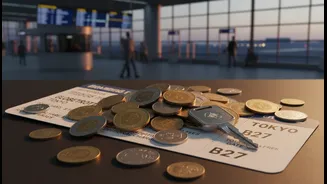
One of the most immediate benefits of a slower travel pace is financial. When you aren't constantly moving between cities or countries, your transportation expenses naturally decrease. Fewer flights, train tickets, or fuel top-ups mean more money stays in your pocket. Staying in one location for an extended period also opens up more affordable accommodation options, such as weekly or monthly rates on apartment rentals, which are often significantly cheaper than nightly hotel stays. This saved budget can then be allocated to more meaningful experiences, like enjoying local restaurants, visiting markets, or taking a cooking class.
Alleviating Packing Stress
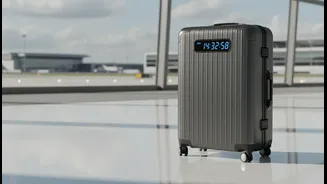
A jam-packed itinerary often requires a suitcase to match, with outfits for every possible activity and climate. Slow travel simplifies this process considerably. By staying in one place, you have a better understanding of the local environment and can pack more intentionally. With fewer transit days and a more relaxed schedule, the need for a vast wardrobe diminishes. Furthermore, longer stays in accommodations like apartments often provide access to laundry facilities. This allows you to pack lighter with the knowledge that you can wash clothes during your stay, freeing you from the burden of an overstuffed bag and the stress of planning numerous outfits.
Escaping Itinerary Fatigue
Itinerary fatigue is the exhaustion that comes from a holiday dictated by a rigid, minute-by-minute schedule. The pressure to constantly be on the move, checking off landmarks from a list, can turn a restorative break into a stressful dash. Slow travel eliminates this by design. By building flexibility into your plans, you create space for serendipity—the unexpected detours, the leisurely afternoon at a café, or the spontaneous conversation with a local that often become the most cherished memories. This approach reduces mental load and anxiety, allowing you to be fully present and truly relax, ensuring you return home feeling refreshed and renewed, not worn out.
How to Embrace a Slower Pace
Making the shift to slow travel is straightforward. Start by choosing one primary destination or region instead of several. Opt for an apartment or a small, locally-owned guesthouse to immerse yourself in a neighbourhood. Prioritise walking, cycling, or using public transport to get a feel for the area's daily life. Instead of a rigid schedule, create a loose list of potential activities, but leave at least half of your time unplanned. This freedom allows you to follow your curiosity, whether it leads you to a hidden park, a local market, or simply a quiet afternoon with a book. The focus is on the quality of your experiences, not the quantity.