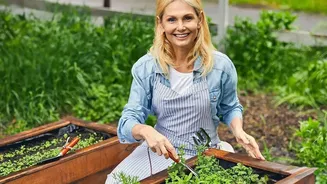





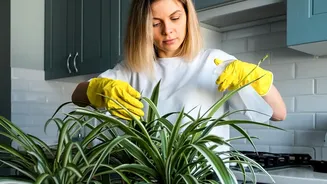

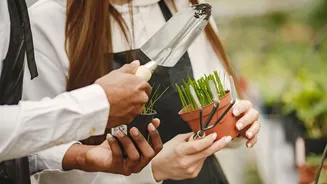
We know gardening is relaxing, but what if your small terrace could offer more than just pretty blooms? Mindful gardening invites you to connect with nature on a deeper level, revealing profound benefits that go far beyond simple stress relief.
A Full-Body Sensory Experience
Mindfulness
is the practice of being present, and a garden is a perfect place to engage all your senses. We often focus on how a garden looks, but mindful gardening encourages you to notice more. Pay attention to the rough texture of a terracotta pot, the velvety softness of a lamb's ear leaf, or the coolness of the soil on your fingertips. Listen to the sound of wind rustling through leaves or the gentle hum of a visiting bee. Inhale the fragrance of fresh mint or the earthy scent after watering. This multi-sensory engagement pulls you out of your head and into the present moment, offering a rich, grounding experience that a quick glance never could. Even in a compact space, you can create a diverse sensory palette that helps with self-regulation and relaxation.
The Practical Magic of Patience
In a world of instant gratification, gardening offers a powerful counter-narrative. Plants operate on their own schedule, and no amount of wishing will make a seed sprout or a bud bloom faster. This process is a practical lesson in patience and acceptance. Tending to a terrace garden teaches you to trust the process, adapt to unforeseen challenges like pests or bad weather, and understand that growth—both in plants and in life—is rarely rushed. You learn to accept that not every effort will succeed; some seeds won't germinate, and some plants won't thrive. This practice of letting go of control and accepting imperfection can be incredibly freeing, building resilience that extends far beyond your balcony.
A Deeper Connection to Natural Rhythms
It's easy to feel disconnected from the seasons in an urban environment. A terrace garden, however small, becomes a personal calendar of natural cycles. You become keenly aware of the changing angle of the sun, the first chill of autumn, and the subtle signs of spring's arrival. This connection grounds you in the broader rhythm of the year. You learn that spring is for new beginnings, summer is for growth, and autumn is for harvesting and preparing for a period of rest. Observing these cycles firsthand fosters an appreciation for the natural world's ebb and flow and reminds you that everything, including your own energy and efforts, has a season.
A Focused Outlet for Creativity
Designing for a small space is a uniquely creative challenge that demands focus. Unlike a sprawling yard, every plant choice matters on a terrace. You become an artist and an architect, thinking about how to use vertical space with climbers, which colours complement each other, and how different textures and heights create a sense of depth. Arranging and rearranging pots, deciding on plant groupings, and pruning a plant to shape it are all focused, creative acts. This is not just about making things look pretty; it's a form of self-expression that provides a sense of purpose and accomplishment, boosting self-esteem with every small success.
Cultivating Nurture and Purpose
Caring for a living thing, even a simple potted herb, can instill a profound sense of purpose. Plants depend on you for their survival—for water, for light, for care. This responsibility fosters a nurturing mindset and provides regular, tangible rewards. Watching a plant grow under your care offers small but meaningful moments of success, from the first sprout pushing through the soil to the first flower opening. In a world that can sometimes feel chaotic or out of our control, this simple act of nurturing can counteract feelings of helplessness and provide a steadying, positive focus in your daily life. It reminds you that your care and attention can create and sustain life.