



The New Generation of Nut Butters
Move over, basic peanut butter. A new wave of creativity is sweeping through Indian kitchens, led by a generation of young, passionate food entrepreneurs. They are reimagining pantry staples, and nut and seed butters are their canvas. Brands like Butters
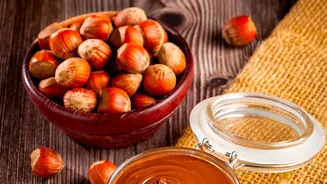
& More, founded by a mother-son duo, and Banter Kitchen are crafting unique combinations like Peri-Peri Cashew Butter and Hazelnut New-tella. These creators understand that modern consumers crave both health and exciting flavours. They're moving beyond single-note spreads to create complex, spiced, and utterly delicious butters from almonds, cashews, pistachios, and a variety of seeds. But the foundation of their craft, the one step that makes the biggest difference between a flat paste and a flavour explosion, is the roast.
The Science of a Perfect Roast
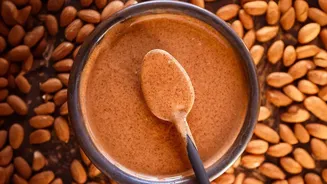
Roasting is far more than just heating nuts; it's a delicious chemical transformation. The magic lies in the Maillard reaction, a process where the natural sugars and amino acids in the nuts react under heat. This reaction creates hundreds of new aromatic compounds, giving roasted nuts their signature golden-brown colour, enticing aroma, and deep, toasty flavour. Raw nuts, by comparison, can taste flat or even a bit grassy. The roasting process also helps to release the nuts' natural oils, which is crucial for achieving a smooth, creamy consistency when they are ground. Mastering this science is what separates amateur attempts from truly artisanal products.
Low and Slow: The Path to Complexity
Many artisans favour the 'low and slow' method, roasting nuts at lower temperatures (around 120-160°C) for a longer period. This gentle approach allows the heat to penetrate the nut evenly, developing a deep, complex, and well-rounded flavour profile without the risk of bitterness. It prevents the outside from burning before the inside is perfectly cooked. This technique is particularly effective for denser nuts like almonds. While it requires patience, the result is a butter with nuanced, layered notes that can't be achieved with high heat. The goal is to dehydrate the nut and toast it from the inside out, ensuring a consistent flavour and a satisfyingly crisp texture before grinding.
Hot and Fast: A Bolder Approach
On the other end of the spectrum is the 'hot and fast' method. Roasting at a higher temperature, such as 175°C, for a shorter time can produce a more pronounced toasty flavour and a darker colour. This method is often used for peanuts. However, it comes with a higher risk. The line between perfectly roasted and burnt is incredibly fine, and even a minute too long can introduce acrid, bitter flavours that ruin the batch. Entrepreneurs who use this technique rely on keen observation—watching for colour changes and, most importantly, the aromatic cues that signal the nuts are ready. It’s a high-stakes balancing act that, when done right, yields a bold and intense flavour profile.
The Art of Infusing Spices
For spiced nut butters, the timing of when to add flavours like cinnamon, cardamom, or cayenne is a critical decision that defines the final product. Adding ground spices after the nuts have been roasted and are being processed into butter allows their delicate flavours to remain fresh and distinct. This is the preferred method for many, as it prevents the spices from burning during the roasting process. Another technique involves coating the nuts with spices before roasting. This method can create a deeper, more infused flavour as the oils released from the nuts bloom the spices. Some entrepreneurs even create spice-infused oils to toss the nuts in before they hit the oven, ensuring every nook and cranny is coated in flavour.