



The Battle Against Dampness and Skin Infections
The single biggest challenge during the monsoon is the constant dampness. High humidity and wet fur create the ideal breeding ground for fungal and bacterial skin infections. [2, 11] Breeds with long coats or skin folds are particularly susceptible. You
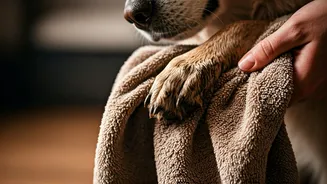
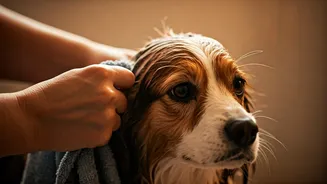
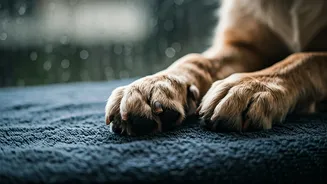
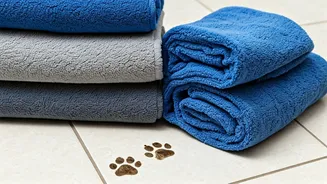
might notice your dog scratching more, licking its paws constantly, or developing red, inflamed patches known as 'hot spots'. [2] The key to prevention is keeping your pet as dry as possible. After every walk, thoroughly towel-dry your pet, paying special attention to paws, ears, underbelly, and skin folds. [15, 16] For thick-coated breeds, a hairdryer on a low, cool setting can be a lifesaver. Trimming the fur, especially between the paw pads, can also reduce moisture retention and prevent mud from getting trapped. [5, 10]
Guarding Against Ticks, Fleas, and Parasites
Monsoon is peak season for parasites like ticks and fleas, which thrive in the warm, humid weather. [4, 6] These pests are not just a nuisance; they can transmit serious illnesses like tick fever, which can cause high fever, lethargy, and loss of appetite. [4] It's crucial to be diligent with your pet's regular flea and tick prevention, whether it's a spot-on treatment, a medicated collar, or oral tablets, as recommended by your vet. [5] Daily inspection of your pet's coat is a must, especially after they have been outdoors. Check their ears, neck, paws, and underbelly. [6] Keeping your home environment clean by regularly washing your pet's bedding and vacuuming carpets can also help prevent infestations. [5]
Navigating Walks and Water-Borne Diseases
City streets during monsoon can be a minefield of hazards. Stagnant puddles and flooded areas are often contaminated with bacteria and viruses from sewage and animal waste. [14] Allowing your pet to drink from or even walk through this water can expose them to dangerous water-borne diseases like leptospirosis, which can cause severe illness. [4, 21] Always provide fresh, clean drinking water at home, and carry water for your pet on walks. [29] After every walk, wash your pet’s paws with clean water and a vet-approved antiseptic solution to remove bacteria and mud. [4] It's also wise to keep walks shorter and stick to paved surfaces where possible, avoiding grassy patches and muddy areas. [9]
Dietary Adjustments for Reduced Activity
With shorter walks and less time spent outdoors, your pet's activity levels are likely to decrease during the monsoon. This means their dietary needs may change. It's important to avoid overfeeding to prevent weight gain. [22] Some vets suggest a light, easily digestible diet. [29] High humidity can also cause dry kibble to spoil faster, so store it in an airtight container. [18] Digestive issues can become more common, partly due to the increased bacterial load in the environment. [19] Ensure their food and water bowls are cleaned daily. Adding a vet-recommended probiotic to their diet can help maintain good gut health. [25]
Indoor Enrichment for a Happy Pet
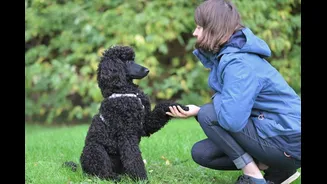
Cancelled walks can lead to boredom and pent-up energy, which may result in destructive behaviour like chewing or excessive barking. [27] Keeping your pet mentally stimulated is just as important as physical exercise. [3] Engage them with indoor activities like puzzle toys, snuffle mats, or a simple game of hide-and-seek with their favourite treats. [3, 8] Short training sessions to teach them new tricks are also a great way to exercise their brain. [26] Games like indoor fetch (with a soft toy) or tug-of-war can help them release energy safely inside the house. [3] These activities not only combat boredom but also strengthen the bond between you and your furry companion. [8]