





The New Digital Frontier of Travel
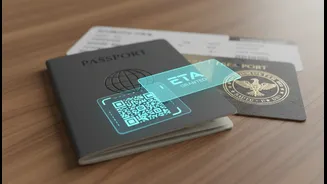
International travel is undergoing a quiet revolution. The familiar ritual of a passport stamp is being replaced by a web of interconnected digital systems. Countries worldwide are implementing Electronic Travel Authorisations (ETAs), e-visas, and automated
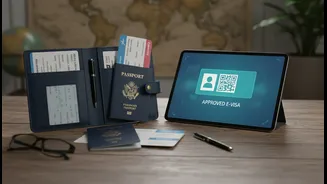
Entry/Exit Systems (EES) to enhance security and streamline immigration. For travellers, this means obtaining pre-approval online before even heading to the airport. Systems like the UK's ETA and the upcoming European Union's ETIAS (European Travel Information and Authorisation System) are prime examples. These digital permits are not visas but mandatory authorisations that allow you to board your flight. While many of these systems, like the UK ETA and EU ETIAS, currently apply to visa-exempt nationals and not Indian passport holders who still need traditional visas, they are part of a broader global trend. The EU's EES, for instance, will affect all non-EU travellers, including Indians, by digitally recording entries and exits with biometric data, replacing manual passport stamps.
Why Automated Systems Are Less Forgiving
Unlike a human border agent who might overlook a minor discrepancy, automated systems are built on data-matching precision. A single typo in your name, a transposed digit in your passport number, or a mismatch between the passport used for the application and the one you travel with can trigger an automatic red flag. This could lead to a cancelled ETA, a rejected e-visa, or being denied boarding by the airline, whose systems are increasingly integrated with government immigration databases. An electronic authorisation is electronically tied to the specific passport used during the application. If you renew your passport, you must apply for a new authorisation. Travellers often assume the digital process is a mere formality, but it’s a critical security screening. Finding out about a problem at the airport gate is often too late to fix.
Your Essential Pre-Travel Document Checklist
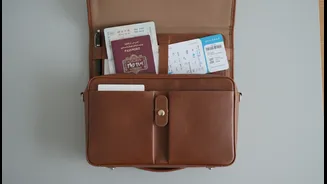
To navigate this new era of digital travel, diligence is your best friend. A thorough check a few weeks before your departure can prevent significant stress. Start with the basics: your passport must be valid for at least six months beyond your planned return date, a standard requirement for most countries. Next, verify the entry requirements for your destination and any transit countries. Do you need a visa, an e-visa, or another type of pre-travel clearance? Check the official government or embassy websites for the most accurate information. When filling out any application, precision is paramount. Your name must appear exactly as it does on your passport. Double-check your passport number, date of birth, and the issue and expiry dates. A simple mistake like confusing the letter 'O' with the number '0' is a common pitfall. It’s wise to have someone else review your application before you submit it.
Common Pitfalls and How to Avoid Them
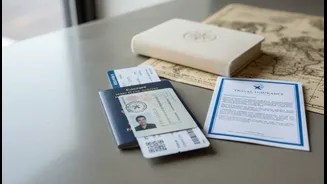
One of the most frequent mistakes is applying too late. While many digital authorisations are approved within minutes or hours, some applications can be flagged for manual review, which may take several days. It's best to apply as soon as your travel is booked. Another common issue is using an unreliable email address for your application and missing crucial notifications. Always use a primary email and save your approval confirmation both digitally and as a hard copy. Also, be mindful of where you apply. Stick to official government websites. While third-party services can offer assistance, they add another layer where errors can be introduced. Finally, remember that an ETA or e-visa is not a guaranteed right of entry; it is permission to travel to the border, where immigration officials make the final decision.