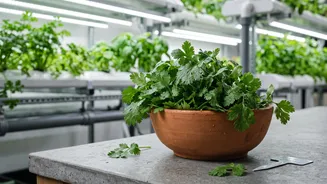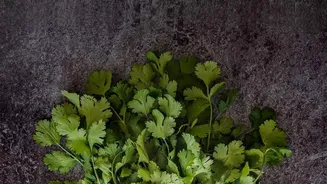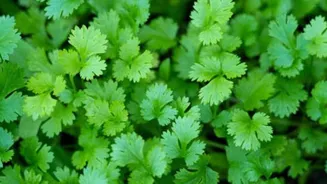




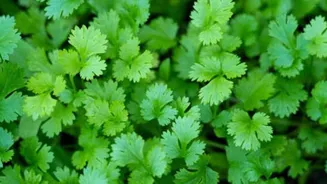
The dream of having fresh, aromatic coriander on hand is often met with the reality of leggy, weak plants. Growing this essential herb indoors without soil offers a clean, efficient alternative, but success hinges on one critical factor: light.
Why Go Soilless for Coriander?
Growing
coriander, or dhaniya, without soil—a method known as hydroponics—might sound complex, but it offers significant advantages for the home gardener. This technique allows you to cultivate herbs year-round in a controlled environment, free from soil-borne pests and the mess of traditional potting. By delivering nutrients directly to the roots via water, hydroponics can lead to faster, more efficient growth. This is particularly beneficial for coriander, a plant notorious for being unpredictable in soil and quick to 'bolt' (flower prematurely), which can make the leaves bitter. In a hydroponic setup, you can manage the variables that cause bolting, extending the leafy harvest for weeks.
The Crucial Role of Consistent Light
The single most important factor for healthy indoor coriander is light. Without enough of it, plants will become 'leggy'—tall, weak, and sparse—as they stretch in search of a light source. While a very sunny windowsill might provide six hours of light, a dedicated grow light is the most reliable solution. For robust, leafy growth, coriander requires 12 to 16 hours of light per day. Using a full-spectrum LED grow light is ideal, as it mimics natural sunlight and provides the necessary light waves for photosynthesis. The intensity matters, too; position the light just a few inches above the plants and adjust as they grow to prevent scorching while ensuring adequate coverage. This long, consistent light duration prevents bolting, which can be triggered by the stress of insufficient light or excessive heat.
Simple Hydroponic Setups for Beginners
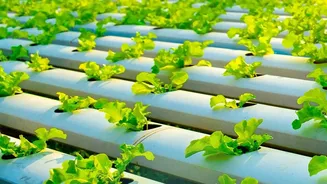
You don't need an elaborate, expensive system to start. For beginners, the Kratky method is one of the simplest and most cost-effective options. This passive system involves a container (like a bucket or tub), a lid with holes for net pots, and a nutrient solution. The plant roots hang down into the solution, and as the water level drops, an oxygen-rich air gap is created, nourishing the roots without the need for pumps. Another accessible option is a Deep Water Culture (DWC) system, where roots are suspended in an oxygenated nutrient solution, often using a small aquarium air pump to supply oxygen. Both systems are excellent for leafy greens like coriander.
Getting the Nutrients and Water Right
In hydroponics, all the plant's nutrition comes from the water. You will need a balanced hydroponic nutrient solution, which can be purchased as a pre-mixed liquid or powder. Coriander is a relatively light feeder, so it's important not to overdo it; an EC (electrical conductivity) level between 1.2 and 1.8 is generally recommended. The pH of the solution is also critical for nutrient absorption, and should be maintained between 5.5 and 6.5. Using a simple pH testing kit will help you monitor and adjust these levels, ensuring your coriander can access all the food it needs to grow.
From Seed to Sprout
Coriander seeds are actually a fruit containing two seeds inside a hard husk. To improve germination, it's best to gently crack the husk open before planting. You can do this by lightly crushing them between your palms. Soaking the split seeds for 12–24 hours will also speed up the process. The most reliable method is to sprout the seeds in a moist paper towel placed in a dark, warm spot. Once the seeds germinate and tiny roots appear, usually within 7 to 10 days, they can be carefully transferred into your hydroponic system's net pots, nestled in a growing medium like rockwool or coco coir.
Harvesting for a Continuous Supply
You can typically begin harvesting your hydroponic coriander in about four to six weeks, once the plants are around $15$ cm tall and look lush. The best way to harvest is the 'cut–and–come–again' method. Snip the outer, larger leaves first, leaving the smaller, inner leaves to continue growing. This encourages the plant to become bushier and produce more foliage. Try not to take more than one–third of the plant at any single time, as this can stress it and trigger bolting. Regular harvesting actually signals the plant to keep producing leaves, prolonging your supply of this fresh,$ flavorful herb.