






Searching for a breakfast that's both traditional and packed with modern nutritional benefits? Meet Oats Adai, a clever and delicious twist on a South Indian classic that combines protein-rich lentils with heart-healthy oats.
What is Traditional Adai?
Adai is a popular savoury
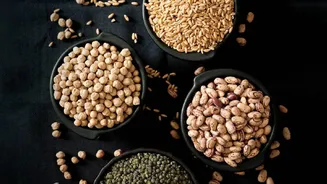
pancake from South Indian cuisine, particularly cherished in Tamil Nadu. Unlike its cousin, the dosa, which is typically thin and crispy, adai is thicker, more textured, and nutrient-dense. The batter is traditionally made by soaking and grinding a mixture of various lentils (dals) like toor dal, chana dal, and urad dal, along with rice. This blend is seasoned with ingredients such as dried red chillies, ginger, asafoetida (hing), and curry leaves. One of its key advantages is that the batter does not require a long fermentation period, making it a relatively quick option for a hearty meal. It's celebrated for being a high-protein dish that provides lasting satiety.
The Modern Twist: Why Add Oats?
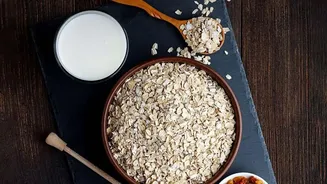
Incorporating oats into the adai recipe is a simple yet effective way to boost its nutritional profile. Many people who are not fond of oats in porridge form find this a more palatable way to include the grain in their diet. By replacing some or all of the rice with oats, the adai becomes richer in soluble fibre, particularly beta-glucan. This type of fibre is well-known for helping to manage cholesterol and support heart health. It also helps in stabilising blood sugar levels, which prevents energy slumps and makes it a suitable option for those managing diabetes. The addition of oats gives the adai a slightly softer texture while keeping the traditional flavours intact.
A Powerhouse of Nutrition
The combination of lentils and oats creates a breakfast that is exceptionally balanced. Lentils are an excellent source of plant-based protein, iron, and folate. Oats contribute high-quality fibre, which aids in digestion and promotes a feeling of fullness. When combined, lentils and oats provide a more complete protein profile, as the amino acids in grains complement those found in legumes. This makes oats adai a complete meal that can support muscle health, provide sustained energy, and keep you satisfied until your next meal. It's a significant upgrade from a simple carbohydrate-based breakfast, offering a complex mix of macronutrients to start your day strong.
How to Prepare Oats Adai
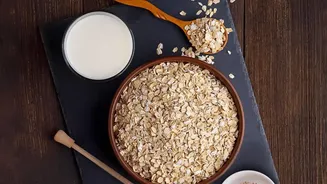
Making oats adai is straightforward. The first step involves soaking a mix of lentils, such as toor dal, chana dal, and urad dal, for a few hours. While the lentils soak, you can prepare the oats by grinding rolled or quick cooking oats into a powder. Once soaked, the lentils are drained and ground into a coarse paste, often along with flavourings like dried red chillies, ginger, and fennel seeds. This lentil paste is then combined with the oats powder, salt, turmeric, asafoetida, and water to form a thick, pourable batter. Unlike dosa batter, this mix is ready to use immediately. Simply heat a tawa or griddle, pour a ladle of batter, and spread it into a thick circle. Drizzle with a little oil, cook until golden brown on both sides, and your adai is ready.
Serving Suggestions and Variations
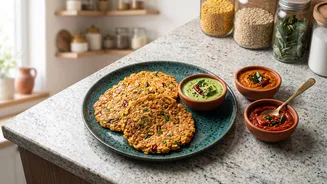
Oats adai is wonderfully versatile. You can easily customise the batter by adding finely chopped vegetables like onions, carrots, spinach, or drumstick leaves for extra nutrients and flavour. For added texture and taste, some recipes also include grated coconut. Traditionally, adai is served with a side of avial (a mixed vegetable curry), jaggery for a sweet contrast, or various chutneys like coconut or tomato chutney. Because of its high protein and fibre content, it's not just for breakfast; it also makes for a filling and satisfying dinner or evening snack.