

The Heart of the Celebration: The Idol
The most significant choice begins with the idol itself. For decades, Plaster of Paris (PoP) idols have been common, but they are non-biodegradable and release harmful chemicals into water bodies. The shift towards eco-friendly idols is not just a trend
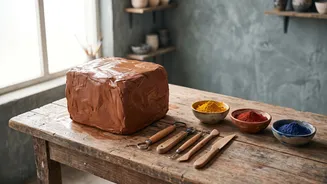
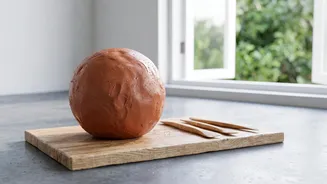
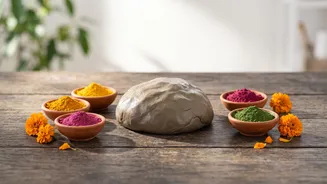
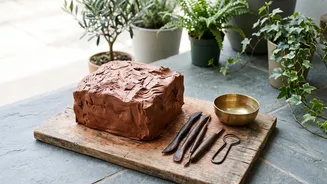
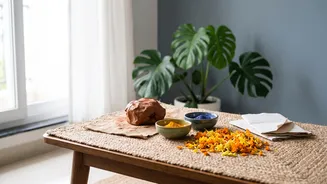
but a return to tradition. Shadu mati, or natural clay, is the classic material that dissolves easily and harmlessly in water. Many artisans now offer beautifully crafted clay idols painted with non-toxic, natural dyes. For a truly reusable option, consider a permanent idol made of brass or stone that becomes a family heirloom. Another popular choice is the 'plantable' Ganesha, made of clay and embedded with seeds, which can be immersed in a pot at home and grows into a plant, symbolising a cycle of life. You can even get creative and make your own simple idol at home using turmeric, rice flour, or clay.
Decorations: Natural and Reusable Elegance
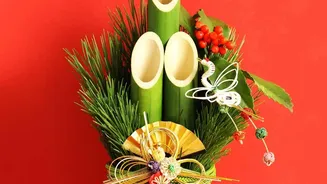
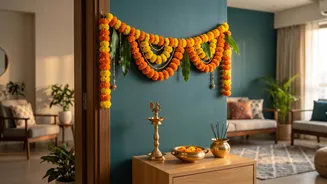
Ganpati decorations often involve a lot of thermocol and single-use plastic, which are major pollutants. Creating a stunning mandap is entirely possible with reusable and natural materials. Swap out plastic backdrops for fabric-based ones. A beautiful silk saree, colourful dupattas, or handloom cloth can create a rich and traditional look. Instead of thermocol cut-outs, use backdrops made of bamboo, jute, or even layered cardboard. Decorate with fresh flowers like marigolds and jasmine, which are not only beautiful and fragrant but also compostable. Banana leaves can be used to create a lush green background. For lighting, ditch the excessive serial lights and opt for energy-efficient LEDs or traditional brass and clay diyas, which add a warm, divine glow.
Prasad and Offerings: Mindful Service
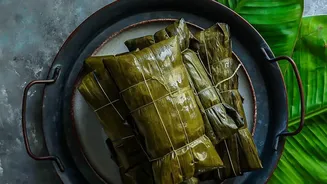
Serving prasad is a key part of the festivities, but it often generates a pile of disposable plates and cups. This year, make a conscious switch. Traditional banana leaves are an excellent, fully biodegradable option for serving food. If that's not practical, use your regular steel or ceramic crockery. Many families are now creating crockery banks for festivals, borrowing and lending reusable cutlery to avoid waste. For distributing prasad to guests, avoid plastic bags and instead use small cloth bags or paper bags made from old newspapers. When it comes to offerings, choose fresh flowers and fruits over plastic-wrapped garlands and sweets. These small changes significantly reduce the mountain of waste a festival can produce.
The Farewell: A Gentle Visarjan
The visarjan, or immersion, is a poignant part of the festival that can also have a significant environmental impact. If you have chosen an eco-friendly clay idol, the best practice is to perform the immersion at home. A large bucket or tub can be used for the ritual. This symbolic immersion prevents the pollution of public water bodies like lakes and rivers. The dissolved clay and water can then be poured into your garden or potted plants, completing the cycle of returning to nature. If a home immersion isn't possible, many cities now have designated artificial immersion tanks created by local municipalities, which is a far better alternative to natural water bodies. Before the immersion, be sure to remove all decorations like flowers and cloth, which can be composted or reused separately.