

An Ancient Solution for Modern Balconies
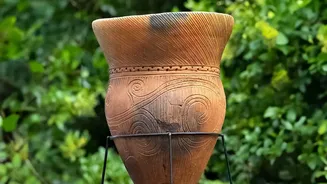
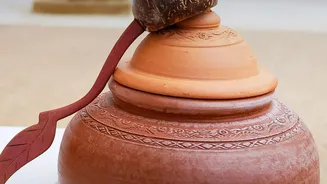
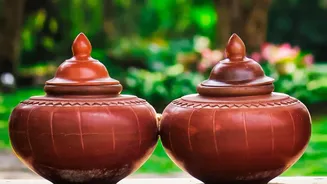
Ollas, pronounced 'oy-yahs', are unglazed clay or terracotta pots used for irrigation for thousands of years in various cultures across the globe. The concept is brilliantly simple: the pot is buried in the soil, leaving only its neck exposed. You then
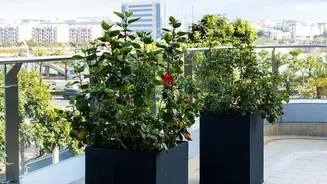
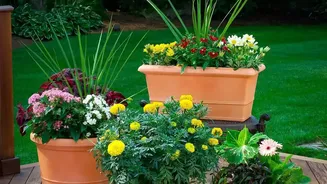
fill the olla with water. Its porous nature allows water to seep out slowly, delivering moisture directly to the plant's roots. This ancient technology is experiencing a resurgence among modern gardeners, especially those tending to plants in pots on balconies and patios where consistent watering is a significant challenge.
The Simple Science of Slow Hydration
The magic of an olla lies in a process called soil moisture tension. The porous clay acts as a membrane. When the soil around the pot is dry, the tension in the soil effectively 'pulls' water through the micro-pores of the terracotta. Conversely, when the soil is moist, such as after a rain shower, the tension equalizes, and the water stays inside the pot. This self-regulating system means your plants get exactly the amount of water they need, precisely when they need it, preventing both overwatering and underwatering. It’s a smarter, more responsive system than decorative glass bulbs or terracotta spikes, which can release water inconsistently.
Why Ollas are Perfect for Balcony Containers
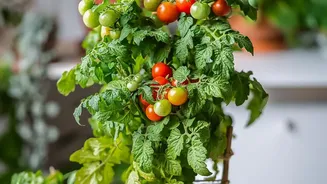
Container gardens on balconies dry out much faster than in-ground beds. They are exposed to more wind and heat, and the limited soil volume holds less water. An olla mitigates these issues dramatically. By delivering water underground, it reduces water loss from surface evaporation by as much as 70-90%. This not only conserves water but also saves you time, as you may only need to refill the olla every few days to a week, depending on the weather and plant. Furthermore, watering at the root level keeps foliage dry, which helps prevent the spread of fungal diseases. The consistent moisture also prevents plant stress, which can lead to issues like blossom end rot in tomatoes.
A Guide to Using Ollas in Your Pots
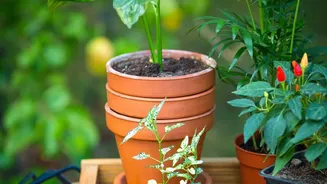
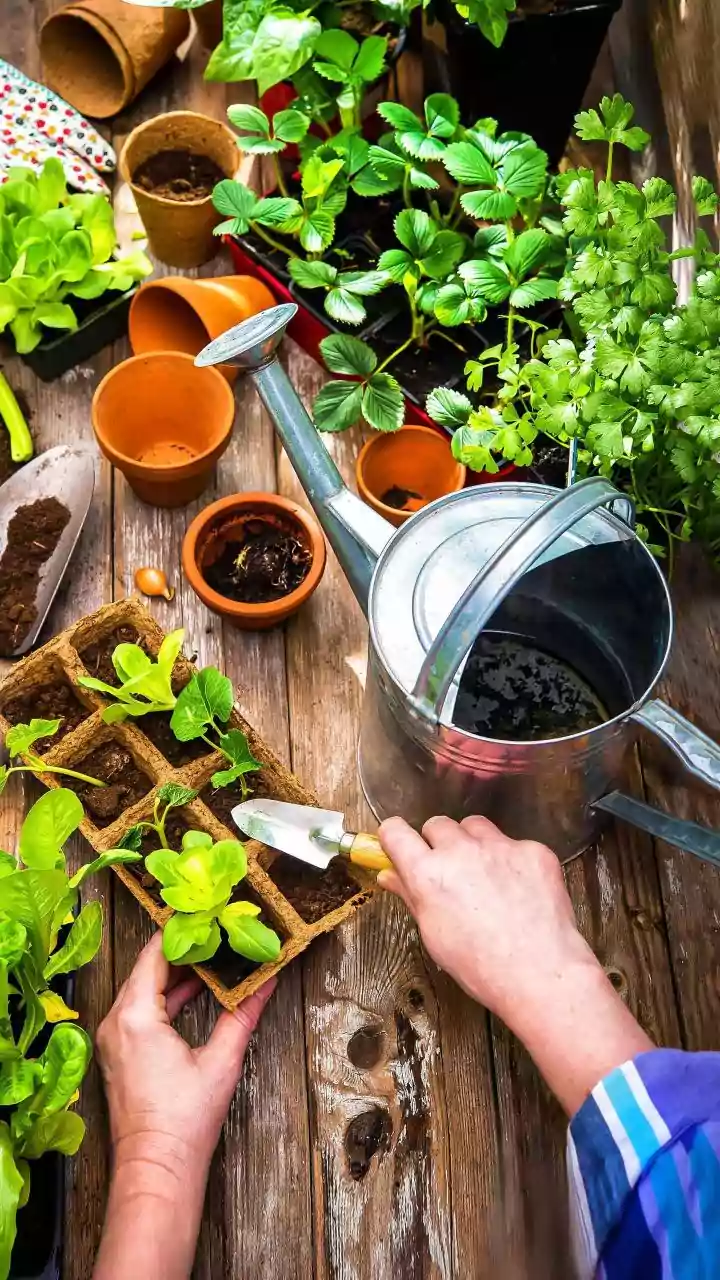
Using an olla in a balcony pot is straightforward. For best results, it's easiest to install the olla when you are first potting your plant. Choose a pot that is large enough to accommodate both the plant's root ball and the olla; a container of at least 5 gallons is a good starting point. Dig a hole and bury the olla in the center or slightly off-center, leaving the neck exposed above the soil line to prevent soil from falling in. Pack your potting mix firmly around the olla to ensure good contact between the soil and the clay surface. Then, place your plants around the olla. Fill the olla with water and place a lid or a small stone over the opening to keep out debris and prevent mosquitoes from breeding.
Best Plants for Olla Irrigation
Ollas work best with plants that have fibrous root systems which will actively seek out the water source. Thirsty fruiting plants are prime candidates. Tomatoes, peppers, cucumbers, squash, and melons all thrive with the consistent moisture that ollas provide. Many herbs, such as basil, parsley, and mint, also do very well. While you can grow shallow-rooted plants like lettuce, they may require some supplemental surface watering until their roots are established enough to reach the olla's moisture zone. It's generally advised to avoid adding liquid fertilizer to the olla itself, as it can clog the clay's pores over time.
Things to Keep in Mind
While incredibly effective, there are a few things to consider. The olla itself takes up space in the pot, which can be a consideration for smaller containers. The watering radius of an olla is also limited, typically to about the diameter of the pot itself, so place your plants accordingly. If you live in a climate with freezing winters, it is recommended to remove the ollas from your pots at the end of the growing season. The expansion of freezing water and soil can crack the terracotta. Simply empty them, let them dry, and store them indoors for the next season.