



A Portal to Persia
To understand the soul of an Irani cafe, one must travel back to the 19th and early 20th centuries. This was when Zoroastrian Iranians, fleeing religious persecution and hardship in their homeland, sought refuge in India. Many of these immigrants settled
in cities like Mumbai and Pune, bringing with them their unique culture and culinary traditions. To make a living, they started small eateries, often on street corners, serving simple yet soulful fare. These establishments, born out of necessity, soon became an integral part of Pune's urban fabric, laying the foundation for a legacy that would endure for over a century.
The Anatomy of an Icon
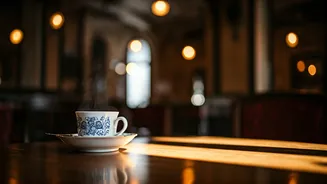
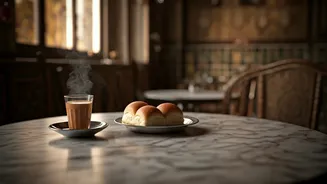
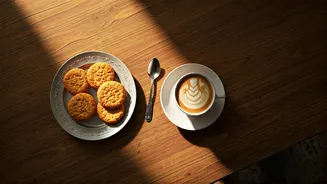
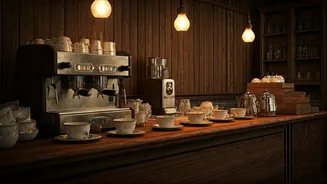
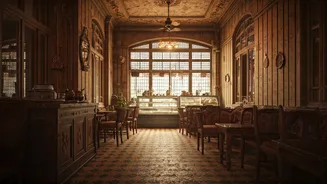
Stepping into a classic Irani cafe is like stepping into a time capsule. The aesthetic is unmistakable: high ceilings, marble-topped tables, classic bentwood chairs, and large, ornate mirrors that have reflected generations of patrons. The air is thick with the aroma of freshly baked bread and milky chai, while large glass jars filled with Shrewsbury and mawa biscuits line the counters. This vintage decor isn't a deliberate retro theme; it's a living heritage, a space that has remained largely unchanged, preserving the authentic atmosphere of a bygone era. It's this resistance to fleeting trends that gives these cafes their timeless charm.
More Than Just Bun Maska
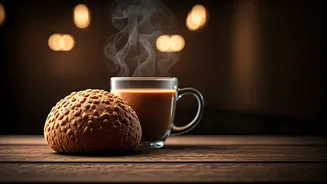
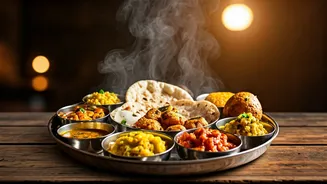
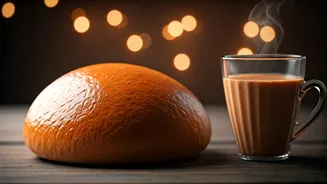
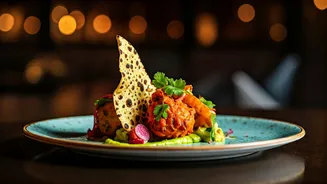
While the combination of a soft, fluffy bun slathered generously with butter (bun maska) and a cup of sweet Irani chai is the quintessential order, the menu holds many other treasures. Signature dishes like the spicy minced meat dish Kheema Pav, the fluffy and often cheese-stuffed omelettes, and rich, fragrant Berry Pulao tell a story of culinary fusion. These recipes are a blend of Persian roots and local Indian flavours. Establishments like Café Goodluck, founded in 1935, and Vohuman Cafe, famous for its cheese omelettes, have served these consistent, comforting dishes for decades, creating a sense of nostalgia that keeps people coming back.
The City's Great Equaliser
For generations, Irani cafes have served as Pune's most democratic social spaces. They were melting pots where people from all walks of life—students from nearby Fergusson College, office workers, artists, and families—could gather over a shared table. In a society often marked by hierarchy, these cafes became cultural levellers, fostering discussions, debates, and friendships. Legendary spots like Café Goodluck on FC Road and Vohuman Cafe near Ruby Hall became bustling hubs, not just for food, but for community and connection, cementing their place in the city's collective memory.
Why It's a 'Flex' in 2026
In today's fast-paced world, dominated by global cafe chains and transient trends, choosing an Irani cafe is a conscious statement. It's a 'flex' because it signifies an appreciation for authenticity over uniformity, for history over hype. While many Irani cafes across India are facing challenges from rising real estate prices and changing consumer habits, the ones that endure in Pune are a testament to resilience. Visiting one isn't just about getting a cheap and tasty meal; it's about participating in and preserving a vital piece of the city's cultural identity. It’s a vote for local heritage, for the stories embedded in the walls, and for a slower, more connected way of life that feels more precious than ever.