



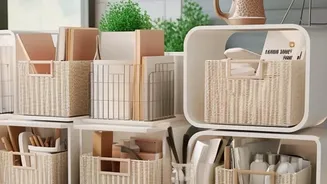

Tired of chasing trends? A neutral colour palette offers a timeless, serene foundation for any room. It simplifies styling decisions and creates a calming atmosphere that feels effortlessly chic and put-together.
1. Layer Textures to Add Depth
A room decorated entirely in neutral shades
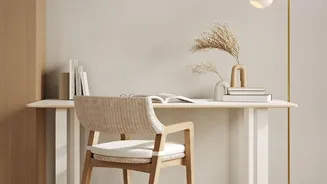
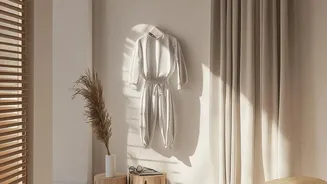
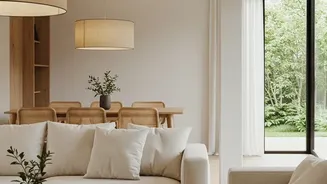
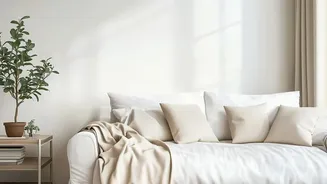
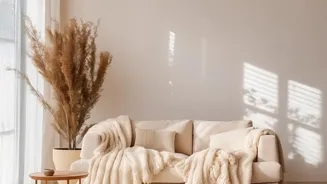
can risk feeling flat or uninspired. The secret to preventing this is texture. By layering a variety of materials, you create visual interest and a sense of warmth without adding a single bright colour. Think about combining different tactile surfaces. Imagine a soft bouclé armchair next to a smooth marble side table, a plush wool rug under a sleek wooden coffee table, and linen curtains filtering the light. Each material catches the light differently and invites touch, making the space feel rich and considered. Don’t forget smaller details like ceramic vases, woven baskets, and velvet cushions, which all contribute to this layered effect. This approach transforms a simple palette into a sophisticated and inviting environment.
2. Mix Warm and Cool Neutrals
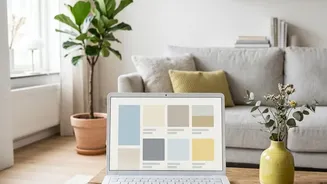
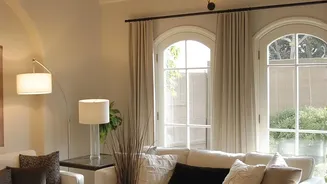
Not all neutrals are created equal. They generally fall into two categories: warm (with red, yellow, or brown undertones, like beige and taupe) and cool (with blue, green, or grey undertones). A common mistake is using only one type, which can make a space feel either too stark or too stuffy. The key to a balanced room is to mix them. For instance, if your walls are a cool grey, you can warm up the space with beige upholstery, tan leather accents, or warm-toned wood furniture. Conversely, a room with creamy, warm walls can be balanced with cool grey textiles or a striking piece of art featuring blues and greens. This interplay between warm and cool tones creates a dynamic yet harmonious look, preventing the neutral scheme from becoming monotonous.
3. Bring In Natural Elements
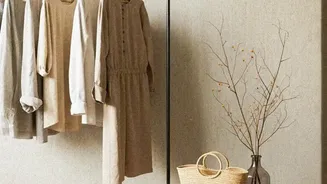
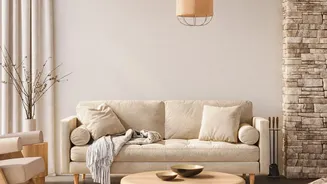
Nature is the ultimate source of beautiful, complex neutrals, and bringing those elements indoors is a foolproof way to enhance a calm palette. Wood, stone, plants, and natural fibres introduce organic texture and a sense of grounding that manufactured items often lack. A wooden coffee table, a stone fireplace surround, or even small touches like a driftwood accessory can add immense character. Plants are particularly effective, as their green foliage provides a touch of natural colour that feels calming and alive. Materials like jute, rattan, and linen in rugs and textiles further contribute to a relaxed, earthy vibe. These natural touches bridge the gap between indoor and outdoor living, making your home feel like a tranquil retreat.
4. Use a Strategic Pop of Colour
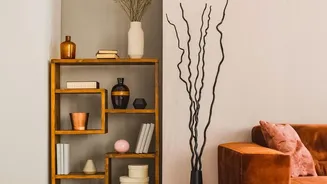
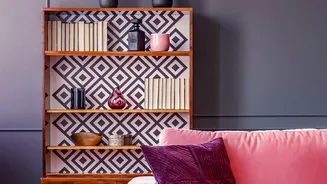
A neutral room provides the perfect canvas for a few carefully chosen accent colours. The beauty of this approach is its flexibility; you can easily swap out small items to refresh the entire look of the room without a major investment. The key is to be strategic. Rather than scattering colour everywhere, choose a few key pieces to make a statement. This could be a vibrant piece of artwork, a set of colourful throw pillows, a patterned area rug, or even a single piece of furniture like a bold armchair. A popular design principle is the 60-30-10 rule: 60% of the room is your dominant neutral, 30% is a secondary neutral, and 10% is your pop of colour. This ensures the accent enhances the space rather than overwhelming it.
5. Play with Pattern and Shape
Beyond colour and texture, the shapes of your furniture and the patterns you choose play a crucial role in a minimalist, neutral space. Since the palette is restrained, the silhouette of a chair or the curve of a lamp becomes more significant. Look for furniture with interesting architectural lines—like tapered legs, sculptural forms, or clean geometric profiles—to add character. Similarly, subtle patterns can introduce depth without adding visual clutter. Tone-on-tone patterns, like a herringbone weave in a grey blanket or a simple geometric print on a cushion, can add a layer of sophistication. Even the way you arrange items, such as creating a symmetrical display of art, can bring a sense of order and intention to the room.