

Beyond Samosa and Pakora
For generations, the monsoon soundtrack in Delhi has been the sizzle of pakoras hitting hot oil and the satisfying crunch of a samosa. These are undisputed classics, a culinary ritual as predictable as the rains themselves. Served with steaming masala
chai, snacks like onion or potato pakoras and aloo tikkis are the capital's default comfort food. But while the love for these staples remains, the younger palate is growing more curious and adventurous. There's a growing realisation that the world of Indian rainy-day snacks is far richer and more diverse than what's found at the neighbourhood snack stall. A new generation, armed with social media and a hunger for authenticity, is starting to explore the monsoon culinary traditions of other states.
A Taste of Regional Comfort
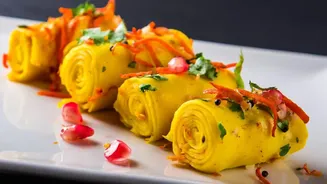
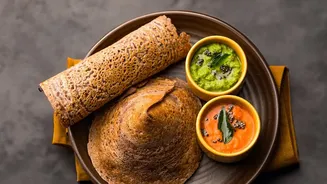
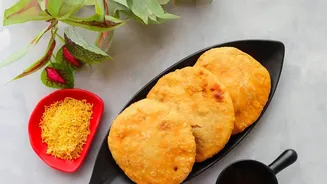
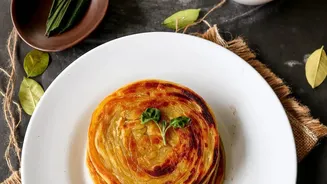
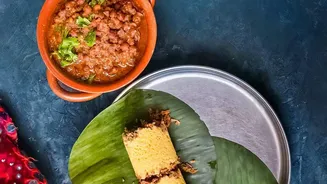
The rediscovery is a journey across India's culinary map, all from within the city. Young Delhiites are seeking out Maharashtrian specialties like kanda bhajji, chunky double-fried onion fritters, and the soft, textured sabudana vada. From Bengal comes the subtle delight of beguni, delicate eggplant slices fried in a light batter, often paired with khichuri for a soulful meal. Other regional gems making an appearance include Karnataka's patrode, where colocasia leaves are layered with a spiced paste and steamed, and Rajasthan's hearty moong dal mangodi pakoras or mirchi vadas. Each dish tells a story of local ingredients and climate-specific wisdom, offering a texture and flavour profile that feels both new and deeply traditional.
Why the Sudden Craving for Tradition?
This shift isn't just about finding new flavours; it's about a deeper cultural movement. For many millennials and Gen Z, food is a way to connect with their heritage in a tangible way. In an era of global food trends, from Korean BBQ to fusion street food, there is a parallel movement towards culinary roots. This generation is curious about the food their grandparents ate, valuing authenticity and the stories behind heirloom recipes. Health consciousness also plays a role. While many of these snacks are fried, they often use diverse grains like bajra or lentils and incorporate local greens, which aligns with a modern focus on balanced and mindful eating. This trend is amplified by food bloggers and home chefs who unearth and share these recipes online, making them accessible to a whole new audience.
From Home Kitchens to Curated Menus
This revival is happening less in mainstream restaurants and more in intimate settings. It’s being driven by home cooks hosting pop-ups, cloud kitchens specializing in regional cuisines, and a few forward-thinking cafes and restaurants. Some establishments in Delhi are curating special monsoon menus that go beyond the obvious. For example, Kikli, helmed by Chef Amninder Sandhu, features Punjabi comfort foods like chicken pakode and stuffed paneer pakodas. Similarly, Chor Bizarre has celebrated the season with chaats and grills, including the delicate Nadroo Ki Tikki (lotus stem patties) alongside classic street foods. These offerings provide a bridge, allowing diners to experience hyper-regional specialties without having to travel, turning a rainy day into a culinary exploration.