

The Core Difference: Introspection vs. Expression
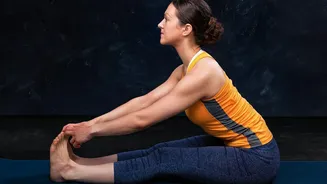
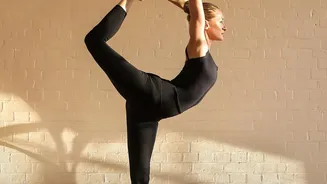
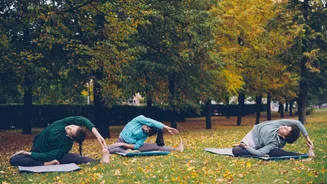
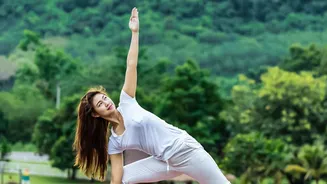
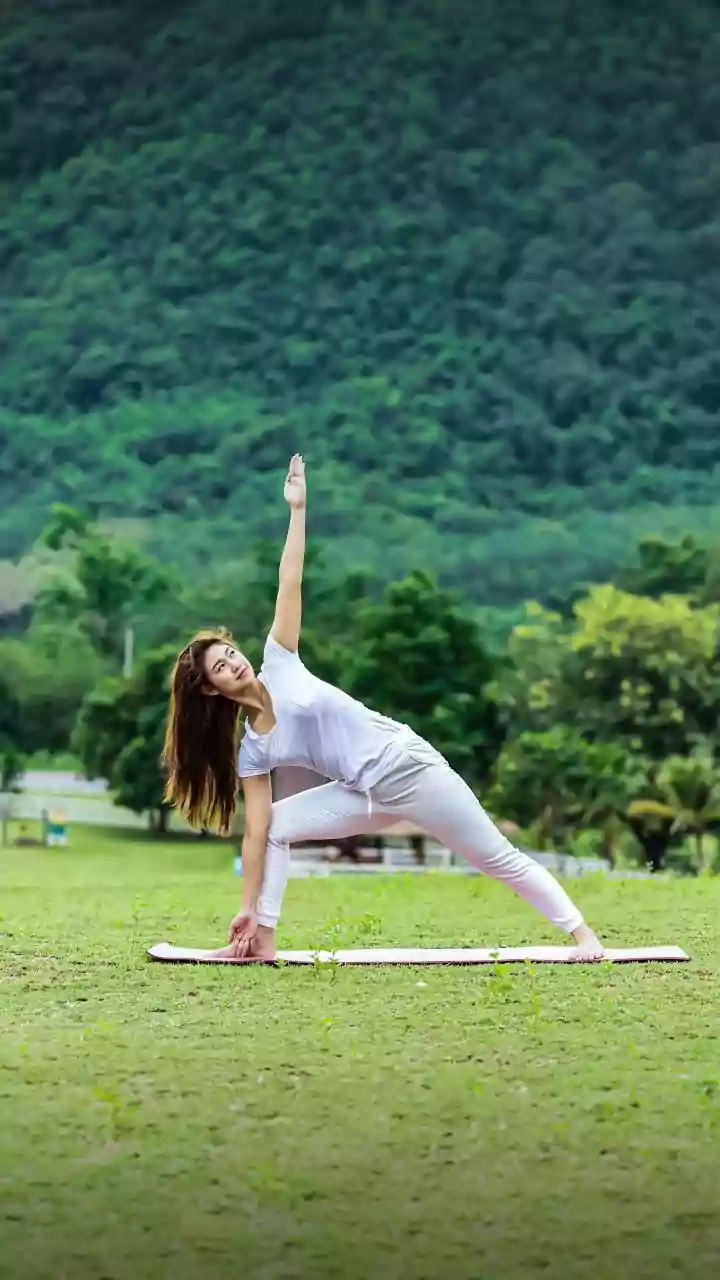
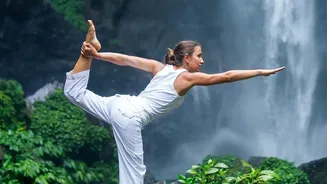
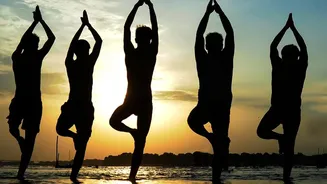
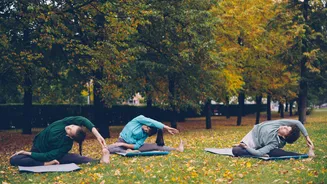
The fundamental difference between yoga and dance in managing stress lies in their focus. Yoga is primarily an introspective practice. It encourages you to turn your attention inward, using controlled breathing, specific postures, and meditation to calm
the nervous system. The goal is to create a state of mindful awareness, observing your thoughts and physical sensations without judgment. Dance, on the other hand, is largely an expressive practice. It provides an outlet for releasing emotions through movement, often synchronized to music. Instead of quietly observing feelings, dance allows you to externalize them, finding catharsis in motion and rhythm.
Breath and Movement: Control vs. Rhythm
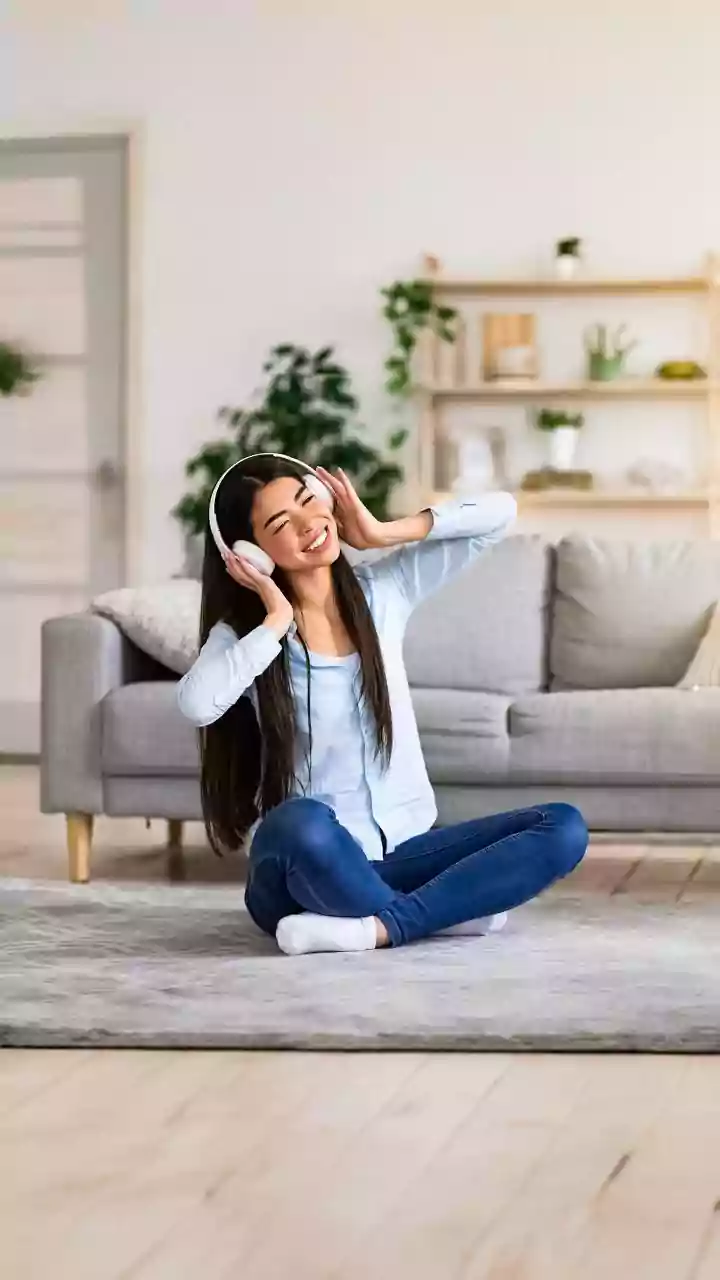
Both practices utilize the body, but their approach to movement and breath differs significantly. Yoga places a heavy emphasis on 'pranayama', or conscious breath control. Movements are often slow, deliberate, and directly linked to your inhales and exhales, which helps regulate the body's stress response systems. Dance is driven more by external rhythms and music. While breathing becomes more controlled as a result of physical exertion, the primary focus is on moving the body in time with a beat. This rhythmic movement can itself have a meditative effect, allowing the mind to take a break from daily anxieties.
The Hormonal Response to Stress
Both activities are effective at altering your brain chemistry to combat stress. As forms of physical activity, yoga and dance both trigger the release of endorphins, the brain's natural mood elevators. They also both help lower levels of cortisol, the body's primary stress hormone. However, some studies suggest different types of yoga may have different effects. Meditative yoga styles, like Hatha, have been shown to significantly decrease cortisol levels and anxiety right after a session. Dance has a similar effect, with studies showing dance/movement training can lower salivary cortisol values. Dance may also boost hormones like serotonin and oxytocin, which are associated with happiness and social connection, especially when dancing with others.
Mental Focus: Mindful Presence vs. Joyful Distraction
Where you place your mental energy is another key differentiator. Yoga actively cultivates mindfulness, the practice of being fully present in the moment. By focusing on the alignment of a posture or the sensation of your breath, you train your brain to let go of distracting thoughts. Dance can also be a form of mindfulness, requiring focus on steps and coordination. However, it also offers a powerful form of joyful distraction. The combination of music, movement, and often social interaction allows you to 'lose yourself' on the dance floor, providing a mental escape from stressors.
Structure and Spontaneity
Yoga is generally a structured practice. Whether it's a Vinyasa flow or a series of Hatha poses, there is an established sequence and form to follow. This structure can be comforting and grounding for a stressed mind. Dance can be highly structured, as in ballet or classical Indian forms like Bharatanatyam, or it can be completely spontaneous. The freedom to move your body without rules can be incredibly liberating and serve as a powerful form of self-expression and emotional release, which is a key component of its stress-relieving power.