




Mastering the Weather Forecast
Before any other planning, your first step should be to consult reliable weather sources. The India Meteorological Department (IMD) is the official government agency for weather forecasting and warnings. Their 'Mausam' app provides real-time updates,
including crucial alerts for heavy rainfall and cyclones. Beyond national forecasts, it's vital to check district-level warnings, as conditions can vary significantly over short distances. Several private apps like Skymet Weather, AccuWeather, and The Weather Channel also offer detailed, hourly forecasts that can help you plan daily activities. A key tip is to have buffer days in your itinerary to accommodate any sudden changes or travel disruptions caused by severe weather.
Navigating Your Route Safely
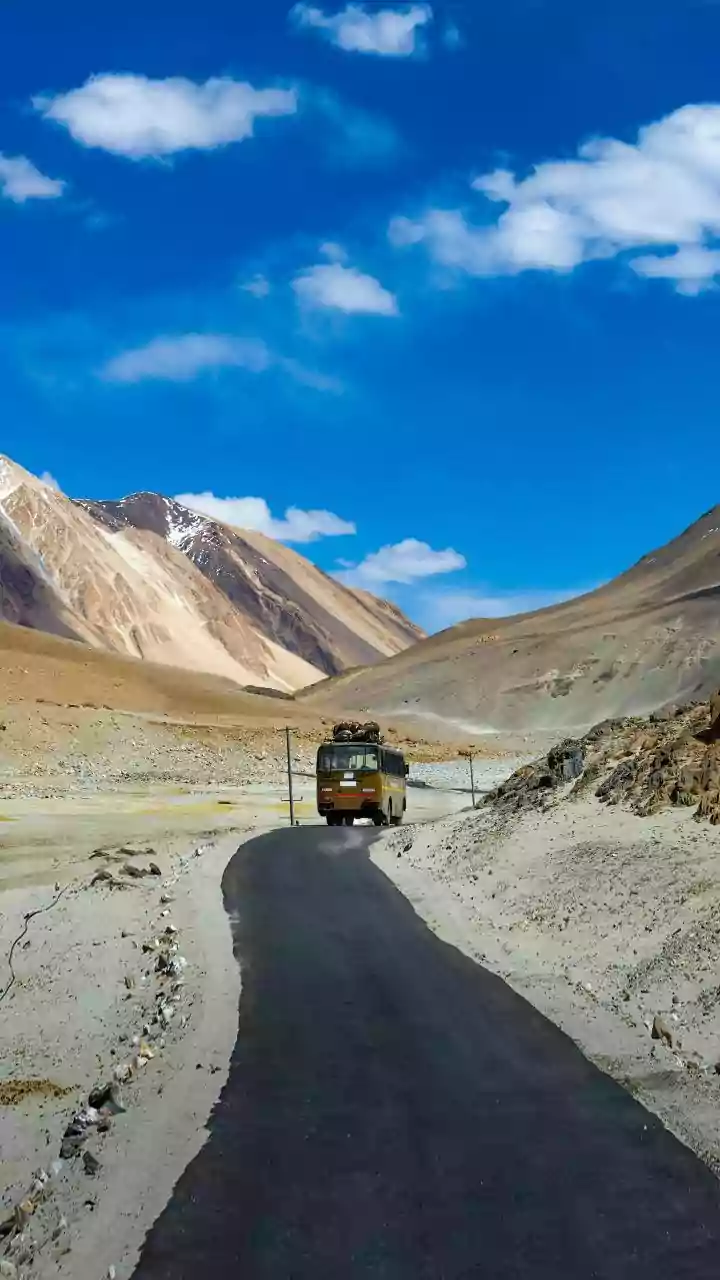
Monsoon rains can make roads unpredictable, with risks of waterlogging, landslides, and slippery conditions, especially in hilly regions. Before starting a road trip, always check the status of highways and local roads. Apps like Google Maps can provide live traffic information, but also consult state-specific resources where available. For instance, some state disaster management authorities or transport departments maintain websites with updates on road closures. Driving at night should be avoided during heavy rain due to poor visibility. If you are driving, reduce your speed, maintain a safe braking distance, and ensure your vehicle's tyres, brakes, and wipers are in excellent condition. Never attempt to drive through flooded roads, as the water can hide deep potholes or damage your vehicle.
Tuning In to Local Alerts
National weather reports provide a broad picture, but local conditions are what truly impact your trip. The National Disaster Management Authority (NDMA) and its state-level counterparts (SDMAs) issue specific advisories for travellers. The NDMA's 'Sachet' app can send geo-targeted disaster warnings directly to your phone. Once you've reached your destination, stay connected with local news channels and follow the social media handles of local authorities, such as the district administration or police, for the most current updates. Your hotel staff or local tour operator can also be an invaluable source of on-the-ground information about safety and accessibility. Pay close attention to warnings about overflowing rivers or restricted access to tourist spots.
Packing for the Rain
Your packing list is crucial for a comfortable monsoon trip. Prioritise lightweight, synthetic, and quick-drying clothes, as cotton and denim take a long time to dry in the humid weather. A sturdy, windproof umbrella and a lightweight raincoat or poncho are non-negotiable. Footwear should be waterproof with a good grip to handle slippery surfaces. To protect your valuables, use waterproof bags or pouches for electronics, documents, and wallets. It's also wise to carry a power bank, as power cuts can be more frequent during heavy rains. An extra set of dry clothes kept in a waterproof bag is a simple trick that can make a huge difference if you get caught in a downpour.
Health and Wellness on the Go
The monsoon season can bring health challenges. Waterborne diseases are more common, so it's essential to drink only bottled or purified water and avoid street food that may be contaminated. Mosquitoes are also prevalent, increasing the risk of diseases like dengue and malaria; always carry a reliable insect repellent. Your travel kit should include a basic first-aid box with medications for fever, cough, stomach upset, and any personal prescriptions. Antifungal powder or cream can also be useful due to the high humidity. Staying hydrated and maintaining personal hygiene will go a long way in ensuring you remain healthy throughout your travels.