
Low-Cost Launch and Component Manufacturing
India's reputation for 'frugal engineering' is its ace in the hole. The success of ISRO's missions, like the Chandrayaan-3 landing and the Mars Orbiter Mission, was achieved at a fraction of the cost of similar missions by other nations. This expertise
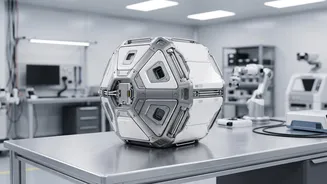
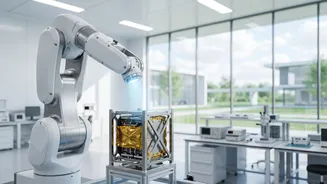
is now filtering down to the private sector. Companies like Skyroot Aerospace, which successfully launched its first private orbital rocket, Vikram-1, in July 2026, and Agnikul Cosmos are pioneering cost-effective launch vehicles. For NASA's moon base, which will require countless cargo missions, partnering with Indian firms for manufacturing components, subsystems, and even for dedicated small satellite launches could drastically reduce logistical costs.
Software, AI, and Mission Operations
India is a global powerhouse in information technology and software development. This expertise is directly transferable to the complex needs of space exploration. From flight control software and mission simulation to AI-driven data analysis and autonomous systems management, Indian tech firms are well-equipped to contribute. Startups are already creating AI-powered analytics platforms for satellite data. This software-first approach could be vital for managing the lunar base's communications, power grids, and life-support systems, as well as for processing the vast amounts of scientific data collected on the lunar surface.
Robotics, Rovers, and Surface Mobility
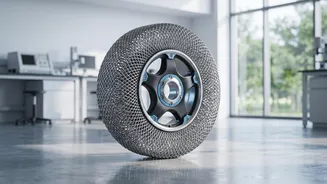
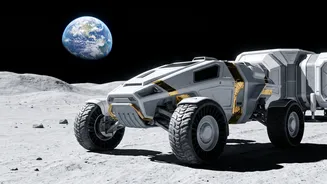
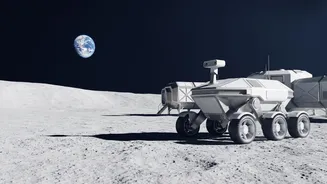
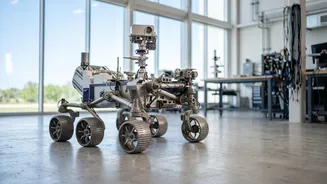
The successful deployment of the Pragyan rover during the Chandrayaan-3 mission showcased India's robotics capabilities on the lunar surface. Building on this, the private sector can develop and supply a new generation of rovers, robotic arms, and mobility systems. These could be used for a variety of tasks at the Artemis base camp, from transporting equipment and astronauts to collecting samples and assisting with construction. Vikram-1's launch even included a demonstration of robotic arms capable of clearing space debris, a technology that points to advanced robotics competency. With NASA planning to use systems like the Lunar Terrain Vehicle, there is a clear opening for Indian companies to become part of the supply chain.
In-Situ Resource Utilisation (ISRU)
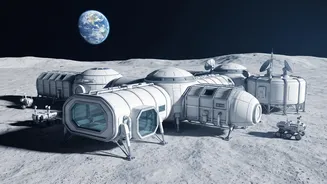
Living off the land, or 'in-situ resource utilisation', is critical for the long-term sustainability of any moon base. This involves extracting resources like water ice from lunar soil, which can then be converted into drinking water, breathable air, and rocket fuel. The Chandrayaan-3 mission specifically targeted the Moon's south pole because of its potential water ice deposits. Indian research institutions and a new generation of deep-tech startups could focus on developing and testing the technologies needed for ISRU—from excavation robots to chemical processing plants. This is a high-risk, high-reward field where collaboration can accelerate progress for all partners in the Artemis program.
Satellite Constellations and Communications
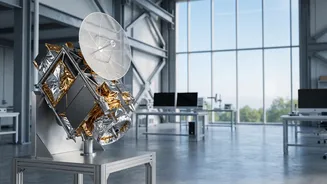
A permanent moon base will need a robust and resilient communications network, linking the lunar surface, orbiting stations, and Earth. Indian companies are already making significant strides in building and operating satellite constellations. Firms like Pixxel are deploying constellations for Earth observation, while others are focused on communications. This experience could be leveraged to build the lunar equivalent—a 'LunaNet' of communication and navigation satellites. Indian firms could design, build, and launch these satellites, providing an essential infrastructure backbone for the Artemis program and ensuring constant connectivity for astronauts and scientific instruments on the Moon.