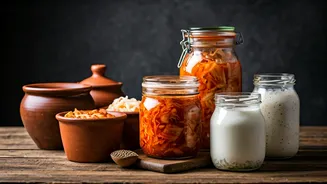









An Ancient Kitchen Tradition
For centuries, fermentation in India was a practical solution born from necessity. Long before refrigerators, transforming ingredients with the help of natural microorganisms was a way to preserve food, enhance flavour, and ensure sustenance. This process,
which involves bacteria or yeast breaking down food components, was an inherited wisdom passed down through generations. Early documented fermented products in India, like 'Soma' from the Vedic Era, were even revered for their attributes. This culinary tradition turned everyday staples into dishes with increased nutritional value and digestibility, laying the foundation for a diet rich in what we now call functional foods.
The Science of Fermentation
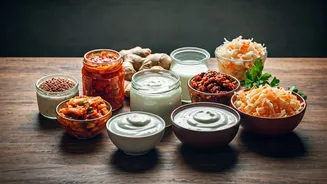
The magic of fermentation lies in its ability to transform food on a microscopic level. The process introduces beneficial microbes, often called probiotics, which support a healthy gut. These microorganisms pre-digest complex carbohydrates and proteins, making foods like idli and dosa easier on the stomach. Fermentation also enhances the bioavailability of nutrients, meaning our bodies can more easily absorb essential vitamins and minerals like B vitamins, iron, and calcium. Furthermore, it can reduce anti-nutrients, which are compounds that can interfere with nutrient absorption. The end result is not just a tasty meal, but a nutrient-dense food that actively supports digestive wellness.
A Tour of India's Fermented Delights
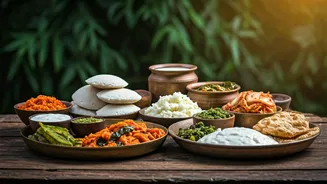
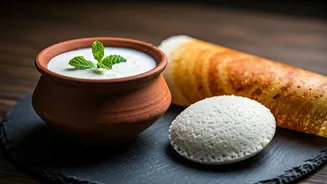
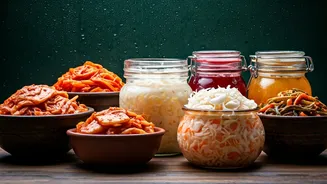
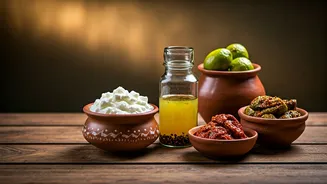
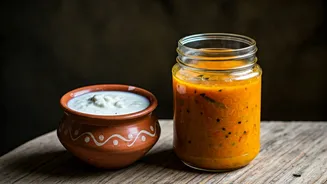
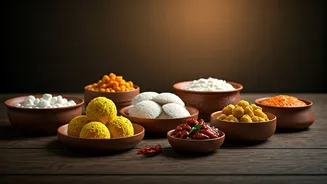
India's diverse culinary landscape is rich with fermented treasures. In the South, the fluffy idli and crispy dosa, made from a fermented batter of rice and lentils, are iconic staples known to be easy to digest. In Gujarat, the spongy dhokla is crafted from a fermented mix of rice and chickpea flour. No Indian meal is complete without dahi (curd), a simple yet powerful source of probiotics like Lactobacillus. Further north, you'll find Kanji, a tangy drink made by fermenting carrots or beets with mustard seeds, especially popular in winter to boost immunity. And in the Northeast, delicacies like Axone, a fermented soybean product, showcase a deep-rooted tradition of using fermentation for preservation and protein.
From Gut Health to Overall Wellbeing
The benefits of these traditional foods extend far beyond good digestion. Modern science is increasingly recognising the 'gut-brain axis', linking a healthy gut microbiome to improved mood and cognitive function. A diet rich in fermented foods can also bolster the immune system. Studies have shown that regular consumption may increase microbial diversity in the gut and reduce inflammatory markers in the body, which are linked to a range of chronic conditions. While some live bacteria may be lost during cooking in dishes like idli, the fermentation process still provides prebiotic fibre and makes the food more digestible and nutritious. Essentially, by nourishing the gut, these foods support the body's overall resilience.