
What Exactly Are the Perseids?
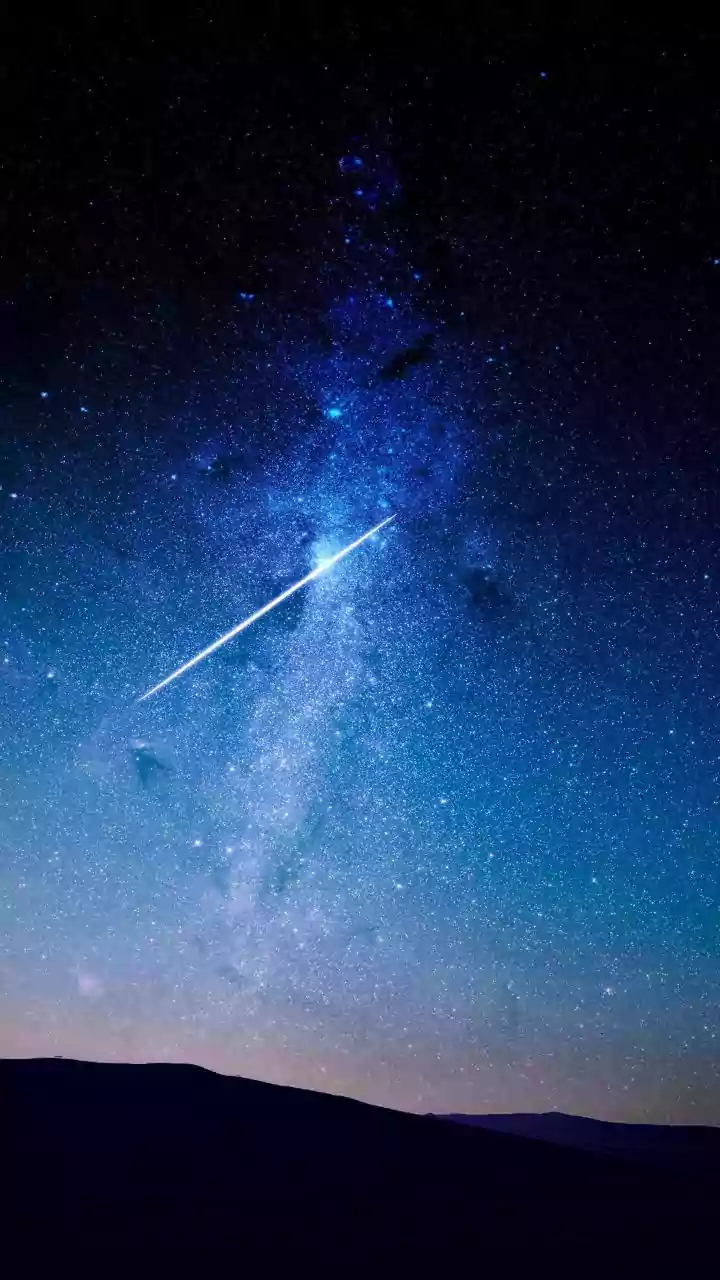
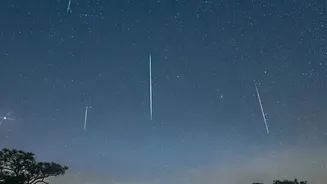
The Perseid meteor shower is an annual celestial event, beloved for its reliability and bright meteors. It occurs every year when Earth passes through the trail of debris left behind by Comet 109P/Swift-Tuttle. This comet, a massive ball of ice, rock,
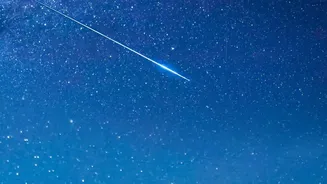
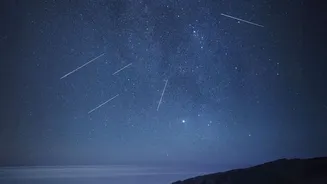
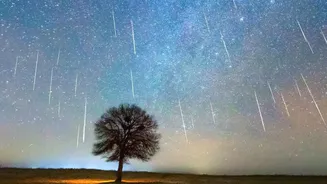
and dust 26 kilometres across, orbits the sun once every 133 years, leaving a cloud of particles in its wake. When our planet ploughs into this stream, these tiny fragments—many no bigger than a grain of sand—enter our atmosphere at incredible speeds of around 59 kilometres per second. They then burn up due to friction with the air, creating the brilliant streaks of light we call meteors or “shooting stars.” The shower gets its name because the meteors appear to radiate from the constellation Perseus.
Why 2026 Is a Perfect Year for Viewing
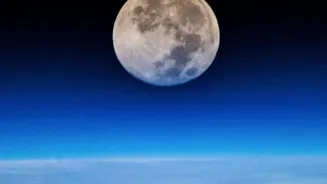
Not all meteor showers are created equal, and much of the viewing experience depends on the moon. A bright moon can act like natural light pollution, washing out all but the brightest meteors. This year, however, sky-watchers are in for a treat. The peak of the 2026 Perseid meteor shower coincides perfectly with the New Moon on August 12. This means the sky will be completely dark, without any moonlight to interfere with the show. These ideal conditions make it one of the best opportunities in years to witness the shower in its full glory, with the potential to see 50 to 75 meteors per hour under perfect conditions.
Mark Your Calendar: The Best Time to Watch
The Perseids are active from mid-July to late August, but the best time to see the highest concentration of meteors is during the peak. For 2026, the peak nights are August 12 and 13. While you can start looking as soon as it gets dark, the show typically gets better as the night progresses. The optimal viewing window is from midnight until the first light of dawn. This is when the part of Earth you are on is rotating into the meteor stream, much like how a car's front windscreen collects more rain when driving into a storm. So, pack your patience, and plan for a late night or an early morning.
Escape the City: Finding a Dark Sky
The single most important factor for a great meteor-watching experience is getting away from city lights. Light pollution can drastically reduce the number of visible meteors. For Indian sky-gazers, this means heading to the countryside or designated dark-sky locations. Fortunately, India has a growing number of spots ideal for astronomy. The Hanle Dark Sky Reserve in Ladakh is India’s first and offers some of the clearest, darkest skies in the world. Other excellent high-altitude options include Spiti Valley in Himachal Pradesh and sites in Uttarakhand. For those in other parts of the country, the vast salt flats of the Rann of Kutch in Gujarat and the deserts near Jaisalmer, Rajasthan, offer expansive, dark horizons. Even a local park or a remote beach away from streetlights can significantly improve your view.
Your Meteor-Watching Guide
You don't need any special equipment to enjoy the Perseids—in fact, binoculars or a telescope would restrict your view. Your naked eyes are the best tools for the job. The key is comfort and patience. Find a spot with a wide-open view of the sky and lie back on a blanket or a reclining chair. Give your eyes at least 20-30 minutes to fully adjust to the darkness; this means putting your phone away to preserve your night vision. Dress in layers, as even summer nights can get chilly, especially at higher altitudes. Then, just look up and wait. The meteors can appear anywhere in the sky, so a broad view is better than focusing on the radiant in Perseus. With a little luck and a lot of patience, you will be rewarded with nature's most spectacular fireworks display.