






Demystifying the Technology
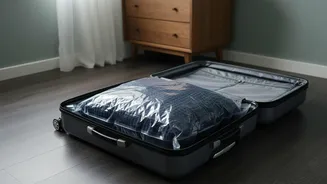
Air extraction technology is a broad term for packing solutions that remove excess air from a sealed container to reduce its volume. You might know them as compression bags, space bags, or vacuum-seal bags. These typically fall into two categories: those
that require a vacuum cleaner or a small hand pump to suck the air out, and those designed for travel that use a one-way valve system, allowing you to push the air out simply by rolling or pressing the bag. While often associated with storing bulky bedding or seasonal clothing, these bags have become a game-changer for travellers looking to maximise luggage space.
More Than Just Shrinking Clothes
The most obvious benefit of air extraction is its ability to dramatically compress soft, puffy items. Think down jackets, sweaters, and sleeping bags. By removing the air trapped within the fibres of these items, the technology can reduce their packed volume by 50% or more. This is the primary reason many travellers turn to them, especially for trips spanning different climates which require packing bulky winter wear alongside lighter clothing. Suddenly, a carry-on suitcase can hold what once seemed to require a large checked bag. It’s an undeniable space-saver for anything that is full of air.
The Unsung Hero for Heavy Items
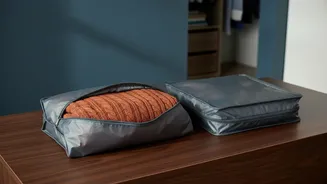
Here’s where the technology’s utility goes beyond the obvious. The headline mentions 'heavy gear,' which typically isn’t compressible. You can’t shrink a set of tools, camera equipment, or climbing hardware. So, why is this tech ideal for them? The answer lies in consolidation and organisation, not compression. By packing smaller, dense items together inside a single compression bag and then removing the air, you transform a loose collection of awkwardly shaped objects into a single, firm, and manageable block. This brick-like module prevents items from shifting during transit, protecting them from damage and making your bag significantly easier to pack. It creates order out of chaos, ensuring your heavy gear doesn’t become a jumbled mess at the bottom of your pack.
A Shield Against the Elements
Beyond saving space and organising contents, air extraction bags provide a crucial layer of protection. Once sealed, these plastic bags are effectively waterproof, dust-proof, and odour-proof. This is an invaluable feature whether you're an adventure traveller facing unpredictable weather or simply want to protect expensive electronics or clean clothes from a potential shampoo leak. It also works in reverse; you can use a spare bag to quarantine wet swimsuits, muddy boots, or dirty laundry, keeping them from soiling the rest of your bag’s contents. This protective quality is just as important for heavy, sensitive gear as it is for a spare sweater.
What to Watch Out For
Despite the benefits, this technology isn't without its drawbacks. The plastic bags themselves can be a point of failure; they can puncture, and the seals can sometimes leak air over time, especially under the pressure changes in an aircraft's cargo hold. Another common issue is wrinkles. The immense pressure will deeply crease clothes, which may require ironing upon arrival. Finally, there's the trap of overpacking. Just because you can fit more into your bag doesn't mean you should, as weight limits for airlines remain the same. Compressing your gear makes it smaller, but it also makes it denser, and you can easily create an overweight bag if you're not careful.