






The Monsoon Month of Wellness
Karkidakam, the final month in the Malayalam calendar, runs from mid-July to mid-August. Traditionally known as a period of austerity and heavy rains, it’s also called 'Ramayana Masam', as households dedicate the month to reciting the epic Ramayana for
spiritual purification. In Ayurvedic terms, this season, or 'Varsha Ritu', is a critical time. The shift from summer's heat to the monsoon's damp coolness is believed to weaken the digestive fire ('Agni') and aggravate the body's 'Vata' dosha, making people more susceptible to illness, joint pain, and low energy. This makes Karkidakam the ideal period for rejuvenation therapies, collectively known as Karkidaka Chikitsa, designed to detoxify and strengthen the body.
What Exactly is Karkidaka Kanji?
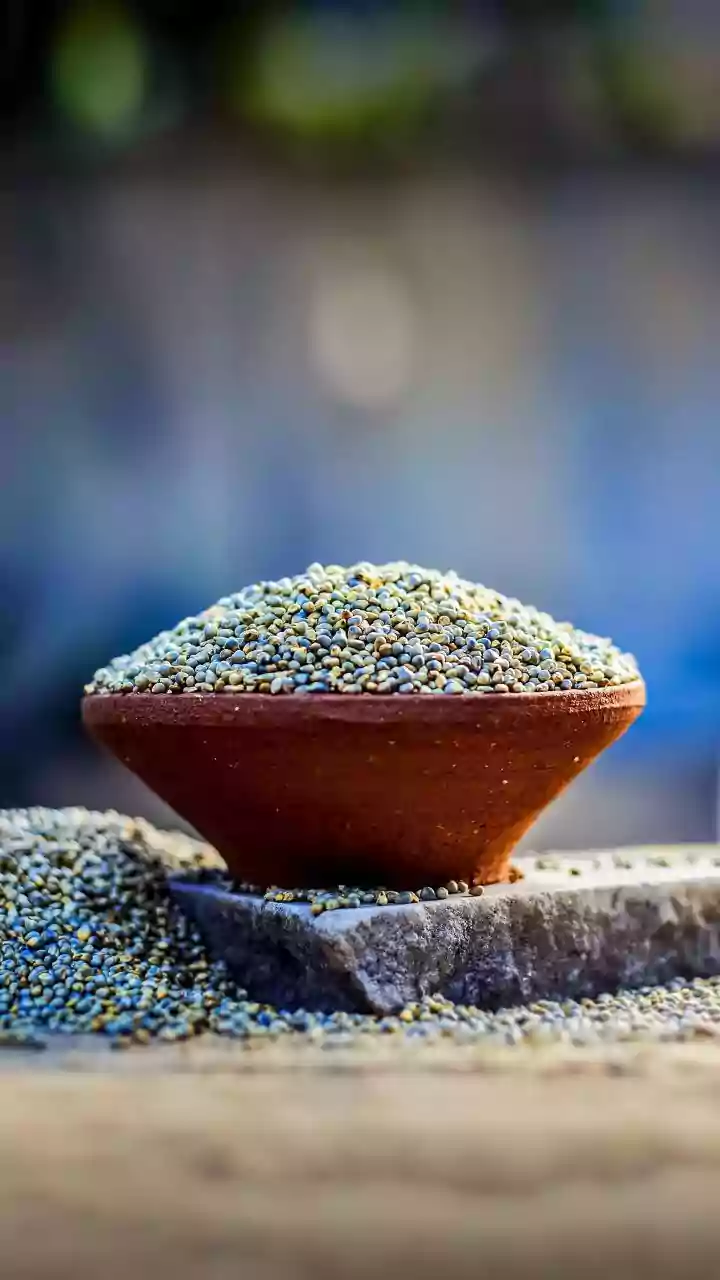
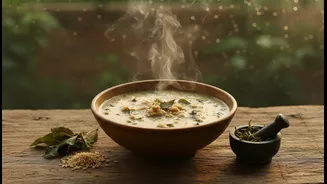
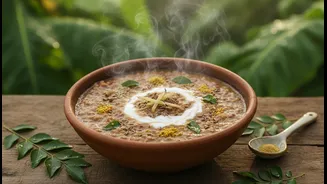
At the heart of this seasonal regimen is Karkidaka Kanji, also called Oushadha Kanji (medicated porridge). This isn't your average gruel; it's a meticulously formulated medicinal food. The base is typically Njavara rice, a special variety known to be light on the digestive system. This is cooked with a potent mix of herbs and spices. Common ingredients include fenugreek, cumin, dried ginger, and pepper, which help rekindle digestive strength. Herbal formulations like Dashamoola (a group of ten roots) and Dashapushpam (ten sacred flowers) are often added for their immune-boosting and anti-inflammatory properties. The porridge is usually finished with coconut milk and a touch of palm jaggery, making it a nourishing, easily digestible meal.
The Purported Health Benefits
The tradition of consuming Karkidaka Kanji is rooted in clear Ayurvedic principles. The primary goal is to support the body when it's considered most vulnerable. Its benefits are said to include boosting immunity to ward off monsoon infections like fevers and coughs, improving digestion by strengthening 'Agni', and providing relief from joint pain and stiffness that often worsen in the damp weather. The porridge also acts as a gentle detoxifying agent, helping to eliminate metabolic waste ('Ama') that may have accumulated. Many who follow the regimen report feeling more energetic and restored after consuming the kanji for a period of 7, 14, or 21 days.
The Crucial Checklist: Before You Begin
While Karkidaka Kanji is a celebrated wellness food, it's not a one-size-fits-all remedy. The headline's call to "check before acting" is crucial. Blindly consuming the porridge, especially from a random kit, can be ineffective or even counterproductive. The most important first step is to consult a qualified Ayurvedic physician. An expert can assess your specific body constitution ('Prakriti') and any underlying health conditions. The herbs and their proportions may need to be adjusted. For example, a person with diabetes might need a version with specific herbs and without jaggery. This personalized approach is what elevates the kanji from a general health food to a targeted therapeutic meal.
Ready-Made Kits vs. Homemade
The market is flooded with ready-to-cook Karkidaka Kanji kits, which offer convenience. However, their quality can vary widely. If you opt for a kit, it's essential to buy from a reputable Ayurvedic brand and check the ingredient list for authenticity and freshness. The alternative is preparing it at home, which gives you complete control over the quality of the ingredients. While sourcing all the individual herbs can be challenging, a homemade version allows for adjustments based on an Ayurvedic doctor's advice. Regardless of the source, the kanji should be prepared fresh and consumed warm, typically as a light dinner, for maximum benefit.
Who Should Be Extra Cautious?
While the porridge is generally considered safe for most healthy adults, certain individuals should exercise caution. Consulting a doctor is non-negotiable for pregnant women, people with chronic conditions like diabetes, hypertension, or kidney disease, and those with known allergies to specific herbs. An expert can tailor the recipe to be safe and beneficial. During the kanji regimen, it is traditionally advised to maintain a simple diet, avoiding heavy, fried, spicy, and non-vegetarian foods to support the detoxification process. This holistic approach ensures the body can fully embrace the rejuvenating effects of the treatment.