


More Than Just Digestion
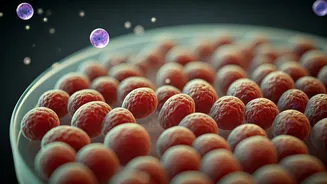
Gut health refers to the balance of trillions of microorganisms, including bacteria and fungi, that live in your digestive tract. This community is known as the gut microbiome. For a long time, its role was thought to be limited to breaking down food
and absorbing nutrients. However, science now shows that this internal ecosystem is a powerhouse that influences nearly every aspect of our health. A balanced microbiome is crucial for strong immune function, as about 70-80% of your immune cells reside in the gut. It regulates inflammation, helps manage weight, and even communicates directly with your brain along the gut-brain axis, impacting your mood and mental clarity. An imbalance can contribute to not just bloating and discomfort, but also issues like chronic fatigue, anxiety, and a weakened immune response.
The Gut Health Power Trio
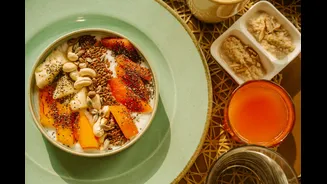
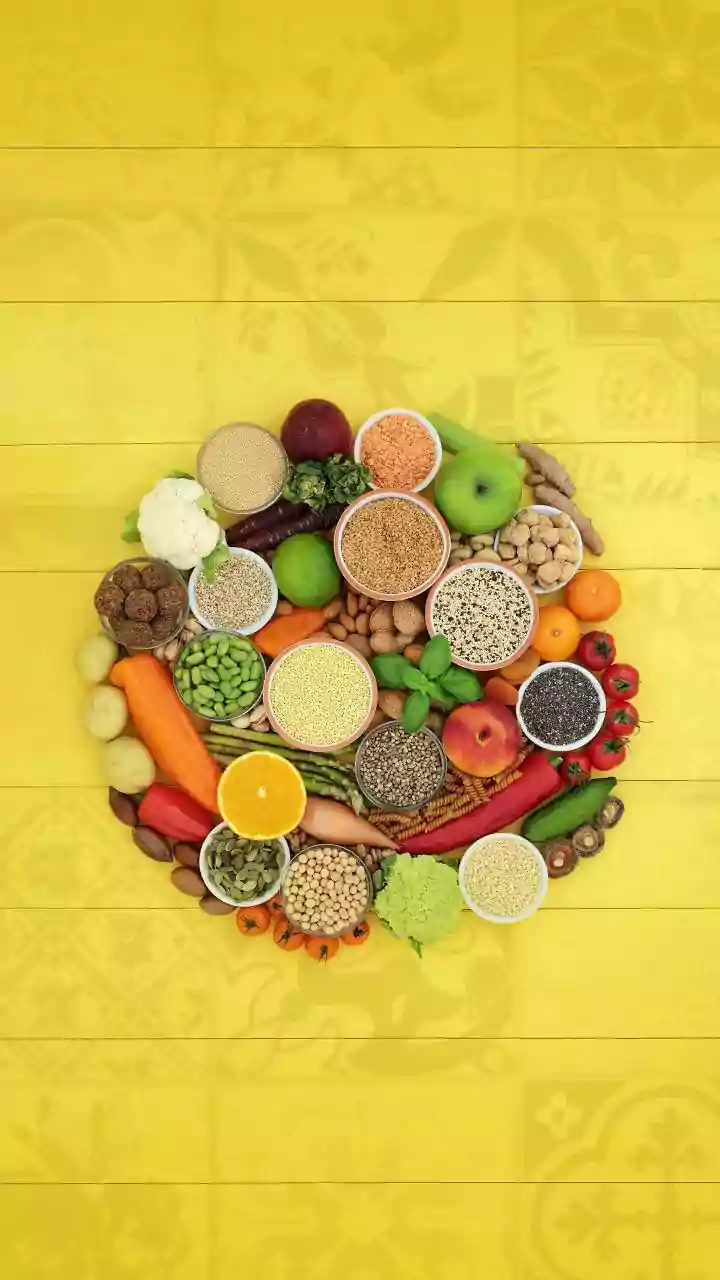
To support your microbiome, it's helpful to understand three key terms: probiotics, prebiotics, and postbiotics. Think of your gut as a garden. Probiotics are the 'good seeds'—live beneficial bacteria found in fermented foods that help populate your gut. Prebiotics are the 'fertilizer'. They are types of dietary fibre from foods like fruits, vegetables, and whole grains that your body can't digest but your gut bacteria thrive on. Postbiotics are the 'nourishing harvest'—the beneficial compounds that the good bacteria produce when they consume prebiotics. These compounds, such as short-chain fatty acids, help strengthen the gut barrier and reduce inflammation.
Your Gut-Friendly Indian Kitchen
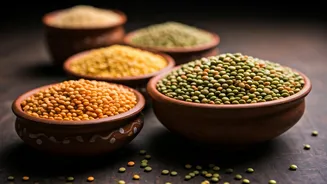
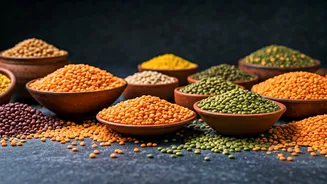
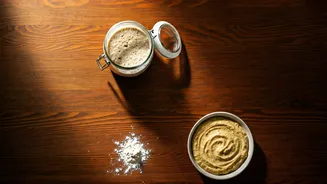
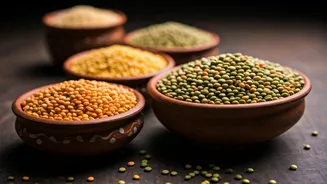
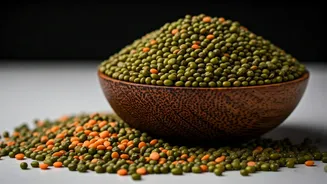
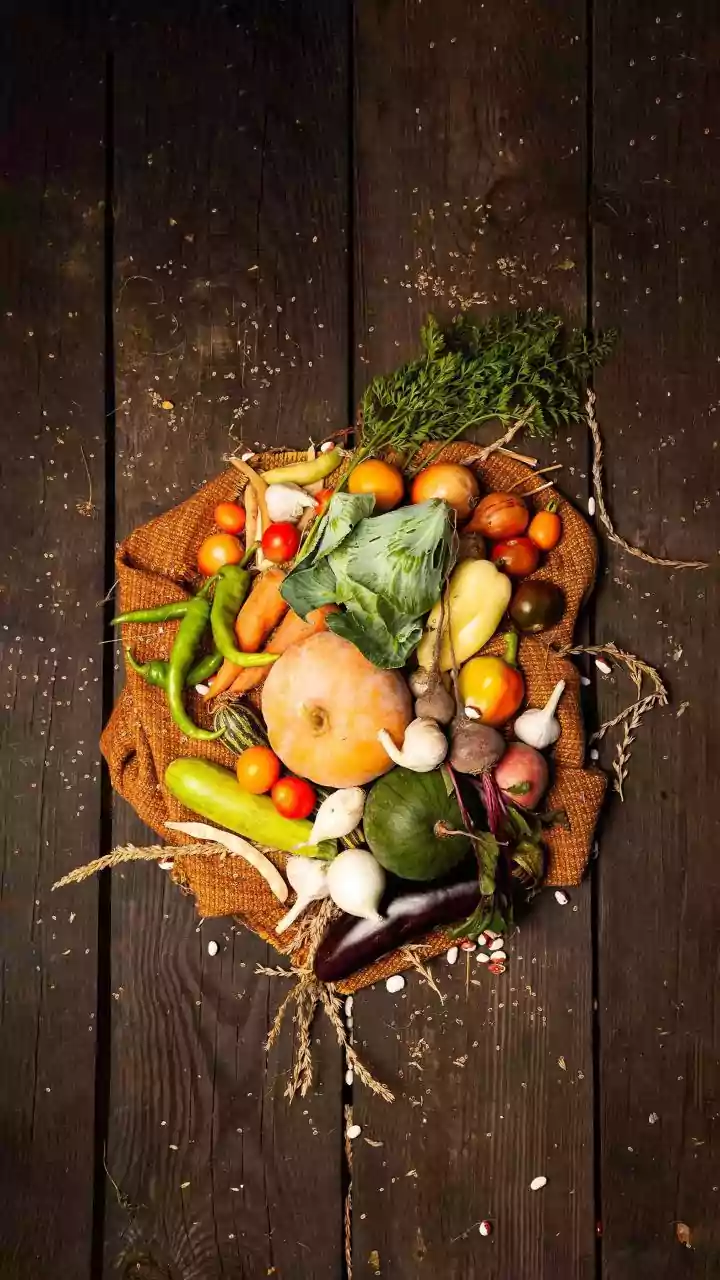
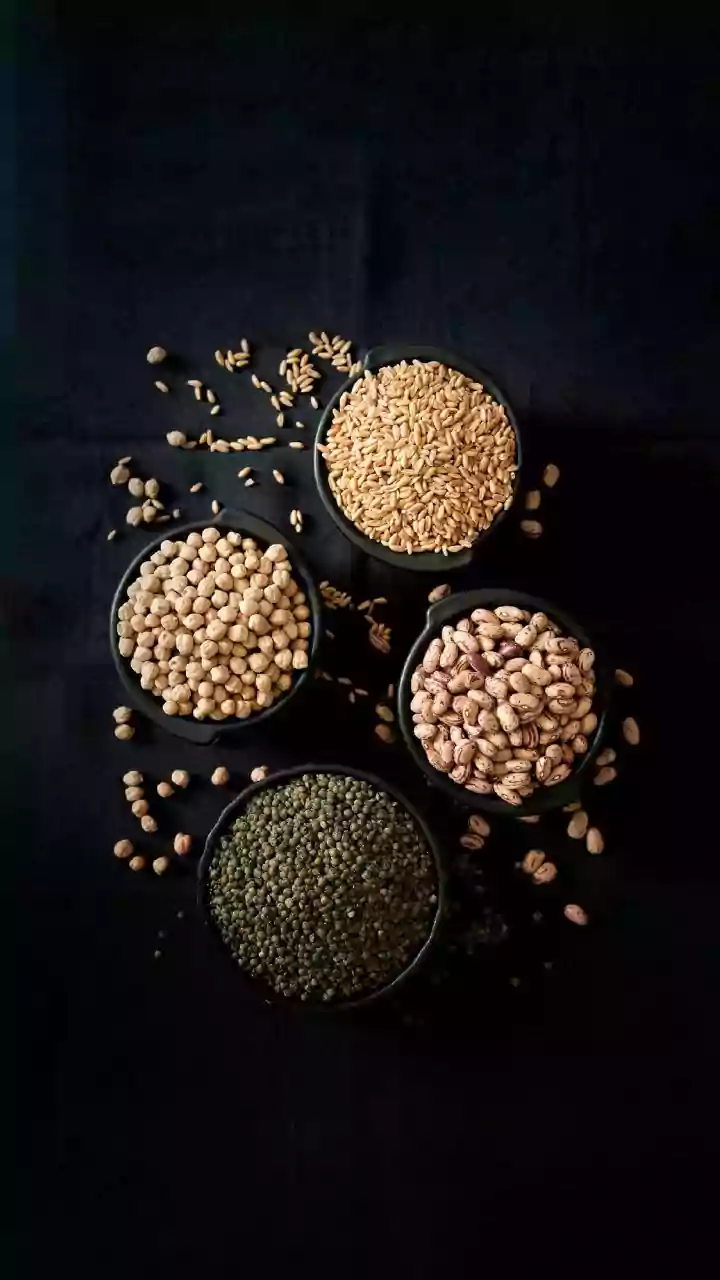
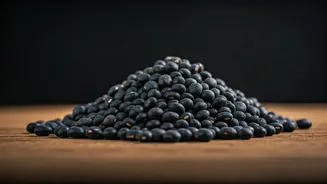
The good news is that you don't need expensive supplements or exotic ingredients to improve your gut health. The traditional Indian kitchen is already a treasure trove of gut-friendly foods. Homemade dahi (curd) is one of the most accessible sources of probiotics. Unlike many commercial yogurts, which can be heat-treated and full of sugar, fresh, homemade dahi contains live bacterial cultures that support the microbiome. Fermented foods like idli and dosa batter are also fantastic. The fermentation process not only creates probiotics but also breaks down anti-nutrients, making minerals more available and the food easier to digest. Don't forget prebiotic-rich foods, which are staples in our diet. Lentils, pulses (like dal and chana), onions, and garlic are all packed with the fibre that beneficial bacteria need to flourish.
Ancient Wisdom Meets Modern Wellness
Other traditional preparations are also getting renewed attention for their gut-boosting properties. Chaas (buttermilk) is a cooling drink that delivers probiotics and soothes the stomach. Traditional, sun-fermented pickles (achar) are very different from their commercial, vinegar-based counterparts. When made the old-fashioned way, they develop beneficial bacteria that aid digestion. Even common spices play a role. Turmeric has anti-inflammatory properties, while ginger and cumin seeds are known to aid digestion and reduce bloating. Incorporating these simple, age-old foods is a sustainable and effective way to tend to your inner garden.
Beyond the Plate
While diet is the primary driver of gut health, other lifestyle factors play a significant role. Chronic stress, for example, is known to negatively impact the composition of your gut microbiome, which can in turn affect your mood and immunity. Prioritizing consistent sleep is crucial for maintaining balance. Regular physical activity, even gentle movement like walking, also supports better digestion and a healthier gut. The focus in 2026 is on a holistic approach, where managing stress and getting enough rest are seen as just as important as what you eat. As our understanding grows, trends are moving toward personalized nutrition and multi-benefit products that support the gut alongside other goals like better sleep and mental wellness.