





The Great Urban Heat Sponge
Cities are fundamentally different from the natural landscapes they replace. Vast areas of forests and fields, which cool the air through shade and moisture release, have been paved over. In their place are roads, buildings, and pavements made of materials
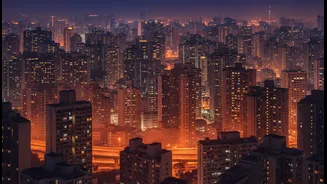
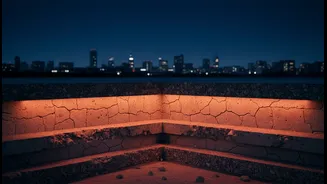
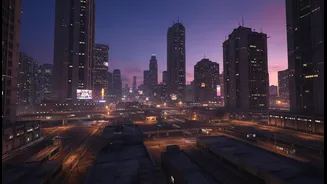
like asphalt and concrete. These materials are excellent at absorbing and storing solar radiation during the day. Think of a city as a giant, dark-coloured sponge soaking up the sun’s energy from dawn until dusk. While natural ground reflects more sunlight, urban surfaces trap this heat, causing city temperatures to be significantly higher than in surrounding rural areas—a phenomenon known as the urban heat island effect.
The Delayed Night-time Release
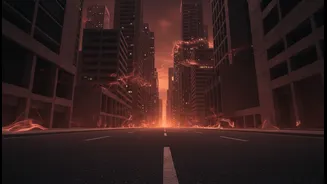
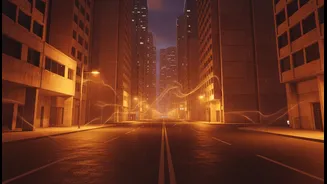
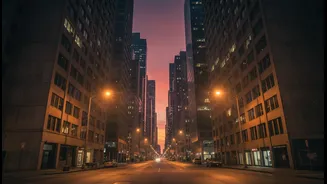
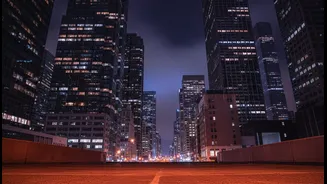
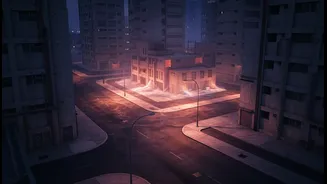
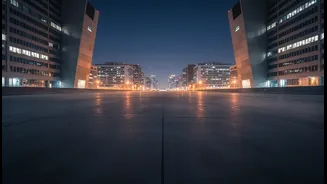
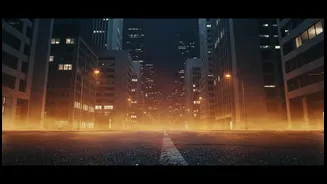
The real problem begins after the sun goes down. In a natural environment, the ground quickly releases its heat, allowing the air to cool down. But the concrete and asphalt in our cities behave differently. These materials have a high thermal mass, meaning they hold onto absorbed heat for a long time and release it slowly throughout the evening and into the night. This process, known as a delayed cooling cycle, is why urban areas can remain several degrees warmer than their rural counterparts long after midnight. The dense layout of tall buildings can further trap this radiated heat, creating 'urban canyons' that block cooling breezes and keep the hot air stagnant at street level.
When the Body Cannot Recover
For the human body, night-time is a critical period for recovery from the stresses of the day, including heat. Just as you need sleep to recover from physical or mental exhaustion, your body needs the cooler night air to offload the heat it has accumulated. When outdoor temperatures remain high overnight, this vital cooling process is interrupted. Your body has to work continuously to regulate its internal temperature, preventing it from entering a state of rest. This cumulative stress is particularly dangerous because its effects are not always immediate. The true health impact of relentless, inescapable heat often appears after the second or third consecutive day of high night-time temperatures.
The Silent Health Risks of Warm Nights
Persistently high night-time temperatures are linked to a range of serious health issues. The most immediate are heat-related illnesses like heat exhaustion and heat stroke, which occur when the body's cooling mechanisms fail. Symptoms can start with headaches and nausea and progress to life-threatening conditions. Beyond this, there is a significant strain on the cardiovascular system, as the heart has to work harder to pump blood to the skin to dissipate heat. This increases the risk for those with pre-existing heart conditions. Furthermore, elevated night-time heat severely disrupts sleep quality, leading to fatigue, reduced cognitive function, and a weakened immune system. Vulnerable populations—including the elderly, young children, and individuals with chronic illnesses—are at the highest risk.
Building a Cooler Future
The challenge of the urban heat island is not insurmountable. Cities around the world are exploring and implementing strategies to break the heat cycle. Solutions involve reintroducing nature into urban planning by increasing tree cover and creating more green spaces, which provide shade and cooling through evapotranspiration. Another key strategy involves changing the very materials we build with. Using 'cool pavements' and painting roofs with reflective, lighter colours can significantly reduce how much heat is absorbed in the first place. Thoughtful urban design that promotes natural ventilation can also help dissipate trapped heat. By making our cities greener and smarter, we can mitigate these midnight health risks and create more liveable environments for everyone.