





The Tradition of Orthodox Tea
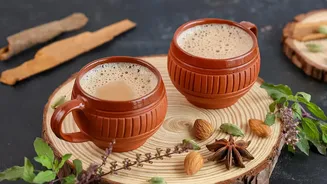
For generations, the rhythm of Indian life has been punctuated by the humble cup of chai. Most of that chai is made using the CTC (Crush, Tear, Curl) method, where leaves are machine-processed into small, hard pellets that brew a strong, brisk, and consistent
cup, perfect for boiling with milk and spices. But alongside this popular style exists a more artisanal tradition: Orthodox tea. Orthodox teas are crafted using time-honoured methods of plucking, withering, rolling, and drying whole leaves. This gentle handling preserves the integrity of the leaf, resulting in a more nuanced, complex, and aromatic brew. Whether it's the malty notes of an Assam or the delicate floral hints of a Darjeeling, Orthodox teas are considered a premium product, meant to be savoured for their intricate flavours. For a long time, these were the teas you sipped without milk to appreciate their true character.
A Shift Towards Chilled Beverages
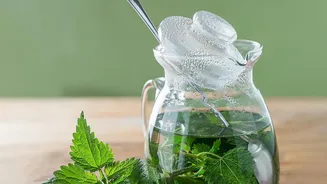
As urban lifestyles evolve and summer temperatures rise, consumer tastes are changing. Younger, health-conscious Indians are increasingly seeking alternatives to sugary sodas and packaged drinks. This has paved the way for a new appreciation of tea, not just as a hot, comforting beverage, but as a refreshing, sophisticated cold drink. Enter the cold brew trend. Unlike conventional iced tea, which is brewed hot and then cooled (often resulting in bitterness), cold brewing involves steeping tea leaves in cold water for an extended period, typically 6 to 12 hours. This slow, gentle extraction process pulls out the delicate flavours of the tea while leaving behind many of the bitter-tasting tannins. The result is a remarkably smooth, naturally sweet, and deeply aromatic infusion that highlights the tea’s inherent qualities without any harshness.
The Aromatic Infusion of Lemongrass and Tulsi
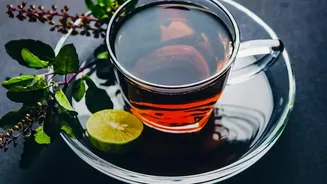
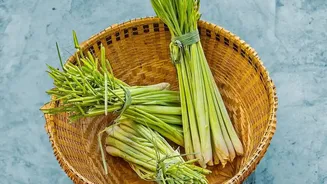
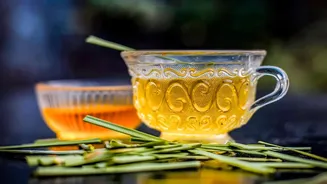
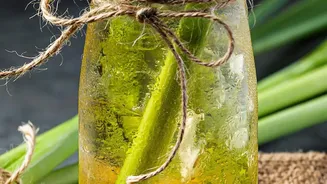
The innovation doesn't stop at the brewing method. The real magic happens with the choice of infusions. Fresh lemongrass and tulsi (Holy Basil) are emerging as the star ingredients in this modern tea revival. Both herbs are deeply rooted in Indian culture and Ayurveda for their wellness properties. Tulsi, revered as a sacred plant, is an adaptogen known for its ability to help the body manage stress and boost immunity. It imparts a gentle, peppery, and slightly sweet note. Lemongrass, with its bright, zesty, and citrusy aroma, offers a refreshing counterpoint and is celebrated for its calming and digestive benefits. Together, they create a flavour profile that is both invigorating and soothing—a perfect match for a chilled beverage designed for the modern palate.
The New Face of Indian Tea
When you combine premium Orthodox leaves with the cold brew method and these vibrant herbs, you get something truly special. The cold water gently coaxes out the nuanced, malty or floral notes of the Orthodox tea, creating a smooth, elegant base. The lemongrass and tulsi then layer on top, their essential oils infusing the brew with a bright, clean fragrance and a host of wellness benefits. This isn't your grandmother's chai, nor is it a mass-market iced tea loaded with sugar. It represents a thoughtful fusion of heritage and health. This trend is blossoming in chic urban cafes, appearing as bottled ready-to-drink options, and inspiring people to experiment at home. It is a reflection of a new India—one that honours its deep-rooted traditions while eagerly embracing fresh, global-minded interpretations of flavour and well-being.