




The Monsoon's Arrival
In Kerala, the Malayalam month of Karkidakam, which typically falls between mid-July and mid-August, is synonymous with the peak of the southwest monsoon. It's a time of intense rain, when the landscape turns a brilliant, lush green and life slows to
the rhythm of the downpour. According to Ayurveda, this is also a period when human bodies are most vulnerable. The damp, cool weather is believed to weaken the digestive fire, or 'agni', and lower immunity, making people more susceptible to illness. In response to this seasonal shift, an entire system of care, known as Karkidaka Chikitsa, evolved. At its heart is a special diet designed to nourish, cleanse, and protect the body, with a particular focus on one iconic dish.
More Than Just Rice Porridge
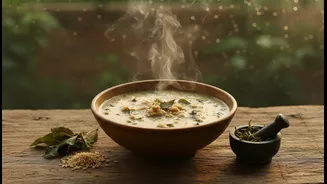
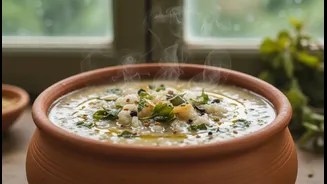
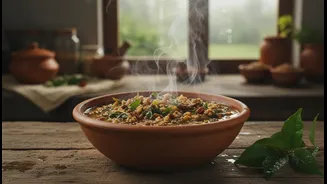
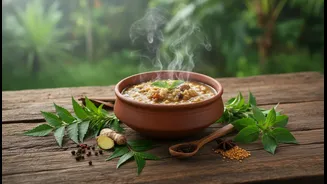
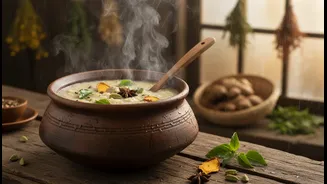
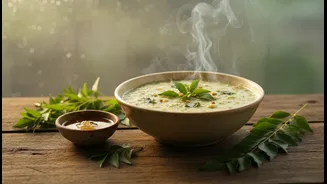
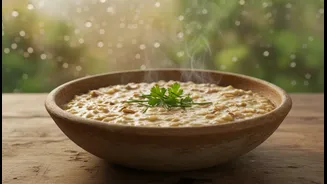
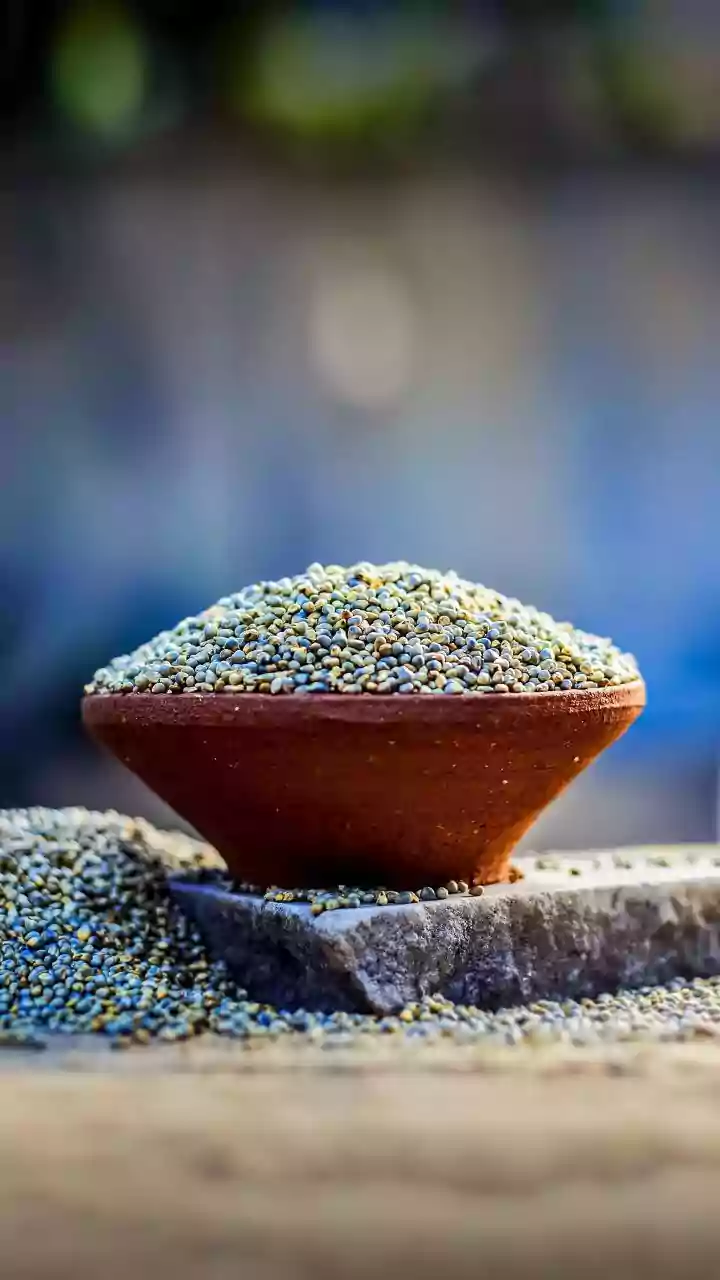
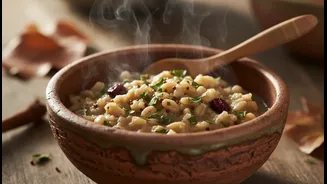
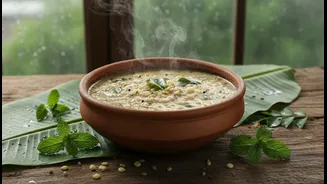
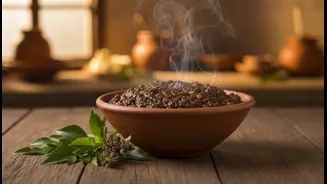
At first glance, kanji is simply a rice gruel, a staple food found across Asia in various forms. But during Karkidakam, it transforms into Oushadha Kanji or Marunnu Kanji, which translates to 'medicinal porridge'. This is not the simple kanji eaten on other days. It’s a complex, restorative preparation, traditionally made with Njavara rice, a medicinal variety known for its healing properties. To this base, a specific combination of herbs and spices is added, each with a distinct purpose. Ingredients like fenugreek, cumin, dry ginger, and black pepper help rekindle digestion, while collections of potent herbs like Dashapushpa ('ten sacred flowers') or Dashamoola ('ten roots') are added to boost immunity and reduce inflammation.
The Wisdom of the Pantry
The practice of eating Oushadha Kanji is a direct application of Ayurvedic principles, or what the headline calls 'pantry wisdom'. The ancient texts of Ayurveda detail a specific regimen for the monsoon season, or 'Varsha Ritucharya', which advises light, warm, and easily digestible foods. Karkidaka Kanji is the perfect embodiment of this. It’s designed to pacify the 'Vata' dosha, which is believed to become aggravated during the rainy season, leading to issues like joint pain and fatigue. The porridge cleanses the system of toxins ('ama'), supports the gut, and strengthens the body from within. This isn’t just a folk remedy; it’s a sophisticated system of seasonal eating, using local ingredients as preventative medicine.
A Taste of Comfort and Community
Beyond its medicinal properties, Karkidaka Kanji is deeply woven into the cultural fabric of Kerala. Traditionally, it is consumed for a period of at least seven days, often as an evening meal. The recipes are often family treasures, passed down through generations. While the core ingredients remain similar, variations exist from home to home. The preparation itself is an act of care. In the past, families would forage for the required herbs from their own backyards, a practice that connected them directly to the land and its bounty. Sharing this warm, nourishing porridge during the darkest, wettest time of the year reinforces bonds of family and community, turning a meal into a ritual of collective well-being.
Kanji in the Modern Era
Today, the tradition continues, albeit with modern adaptations. While many families still prepare Karkidaka Kanji from scratch, the demands of modern life have led to the availability of ready-made kits. These kits contain the dried Njavara rice and a powdered mix of all the essential herbs and spices, making the preparation quick and accessible for busy households. Some may argue this dilutes the tradition, but others see it as a vital adaptation that keeps the practice alive. By making it convenient, these kits allow a new generation to participate in this ancient wellness ritual, ensuring that the wisdom of Karkidakam—listening to the season and caring for one's body with nourishing food—endures in a fast-paced world.