
The Lithium-Ion Bottleneck
For years, the electric vehicle revolution has been powered by lithium-ion batteries. They are in our phones, laptops, and the EVs that are slowly appearing on Indian roads. While effective, they have a significant downside: their reliance on lithium and cobalt.
These materials are not only expensive, but their supply chains are concentrated in a handful of countries, leaving India dependent on imports. This geopolitical and economic vulnerability directly translates to higher manufacturing costs and, ultimately, more expensive electric cars and two-wheelers for consumers. The high price of lithium-ion battery packs is the single largest component cost in an EV, making it difficult for manufacturers to compete with the price of traditional petrol and diesel vehicles.
Enter Sodium: The Abundant Alternative
Sodium-ion batteries work on a similar principle to their lithium-ion cousins, moving ions between a cathode and an anode to store and release energy. The game-changing difference lies in the raw material. Sodium is over 500 times more abundant than lithium and can be sourced from common salt, making it significantly cheaper and more widely available. This shift from a scarce, geopolitically sensitive material to a common, inexpensive one is the core of the sodium-ion promise. By replacing expensive lithium and cobalt, and even using cheaper aluminium instead of copper in their construction, these batteries have a structurally lower cost floor. This drastically reduces India's import dependency and aligns perfectly with the 'Make in India' initiative by creating a more resilient domestic supply chain.
Performance, Safety, and Trade-offs
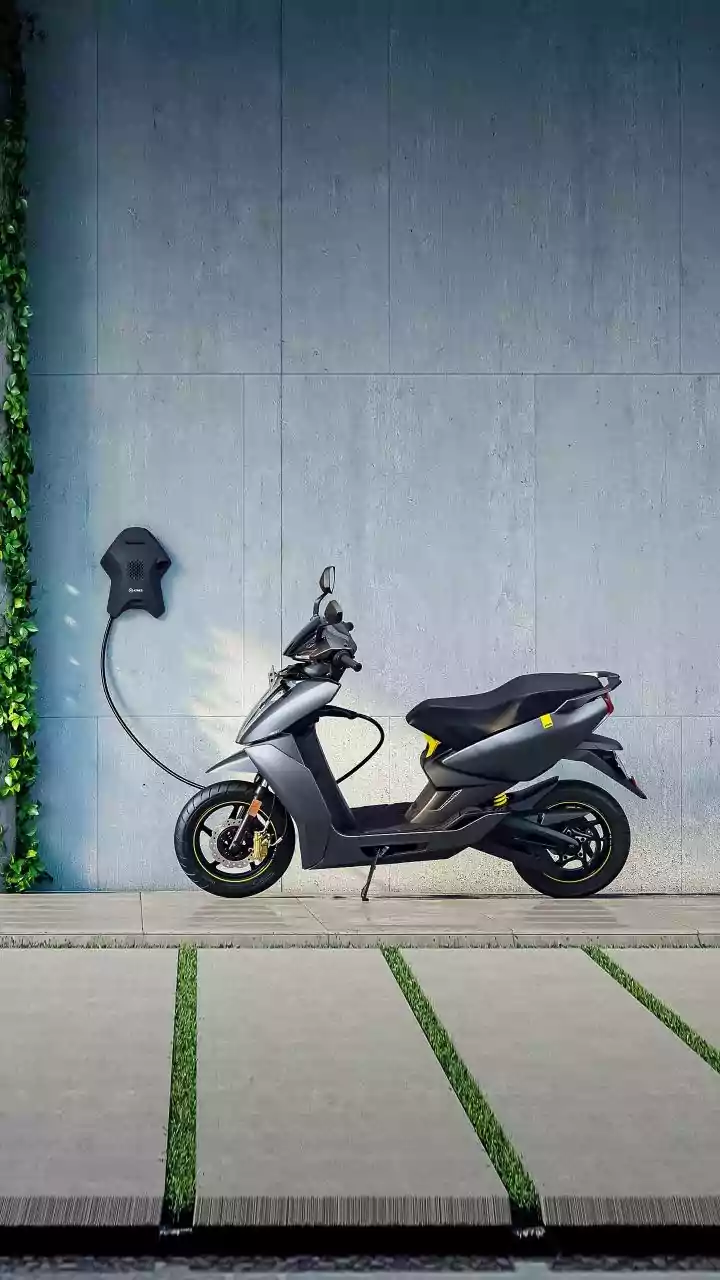
While sodium-ion batteries win on cost, there are performance trade-offs. Their main limitation has been lower energy density, meaning they store less energy for their size and weight compared to lithium-ion cells. This makes them less suitable for high-performance, long-range luxury EVs. However, they are an ideal fit for the bulk of the Indian market: city-centric compact cars, scooters, and three-wheelers, where extreme range is less critical than affordability. Furthermore, sodium-ion technology boasts significant advantages in safety and durability. They have better thermal stability, reducing the risk of fires, and perform well in a wider range of temperatures—a key benefit for India's diverse climate. Many emerging designs also promise a longer lifespan, with the ability to endure thousands of charge cycles.
Indian Companies Leading the Charge
India is not just watching this technology develop; local companies are actively driving it forward. Reliance Industries, through its acquisition of UK-based firm Faradion, has positioned itself as a major player and is fast-tracking the commercialisation of sodium-ion technology for both mobility and energy storage. The company plans to establish a giga factory for battery production by 2026. Another key innovator is Pune-based KPIT Technologies, which has developed its own indigenous sodium-ion battery technology. In early 2025, KPIT partnered with Trentar Energy Solutions to commercialise this technology, with Trentar planning to invest in a 3GWh manufacturing facility. These initiatives are supported by government schemes like the chemistry-neutral Production Linked Incentive (PLI) for Advanced Chemistry Cells (ACC), which is open to sodium-ion investment.
The Road to Mass Adoption
The transition won't happen overnight. While Chinese manufacturers like CATL and BYD are already scaling up production and launching the first mass-produced sodium-ion powered cars, the Indian ecosystem is still in its early stages. Building out the domestic supply chain for components like hard carbon and scaling manufacturing to bring down costs are the next major hurdles. However, the trajectory is clear. Analysts expect sodium-ion cell prices to become highly competitive with, or even undercut, the cost of Lithium Iron Phosphate (LFP) batteries, the current affordable standard. The first applications in India are likely to be in stationary energy storage, two-wheelers, and commercial vehicles, with passenger cars following as the technology matures and manufacturing capacity grows. This technology isn't just a replacement for lithium; it's a complementary solution poised to unlock the mass-market EV segment.