






The Current Weather: A Tale of Two Regions
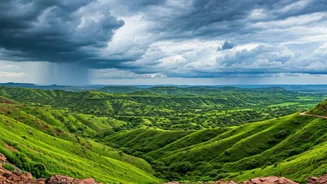
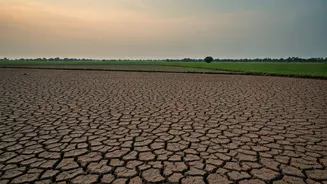
As of early July, the monsoon has arrived, but its presence isn't uniform. Eastern and southeastern parts of the state, including the Jaipur, Kota, and Udaipur divisions, are receiving rainfall after a prolonged heatwave. The India Meteorological Department
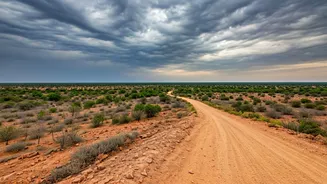
(IMD) has even forecast heavy to extremely heavy showers in some of these areas over the next few days. However, western Rajasthan, home to desert circuits like Jodhpur and Jaisalmer, is still experiencing higher temperatures, though thunderstorms and strong winds are becoming more frequent. This creates a tricky travel landscape where you might face scorching sun in one district and a sudden downpour in another. This transitional phase demands a nimble approach to any itinerary.
City Plans: Embrace the Rain Washed Palaces
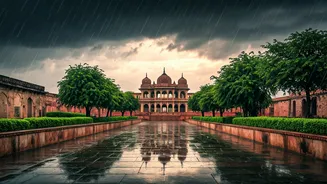
For those exploring cities like Udaipur and Jaipur, the arrival of rain changes the dynamic from avoiding heat to embracing the atmosphere. The dust has settled, and the palaces and forts take on a fresh, vibrant hue. An early morning visit to Jaipur’s Amber Fort or Udaipur’s City Palace can be magical in the soft post-rain light, with fewer crowds than in peak season. Instead of seeking air-conditioned cafes to escape the heat, you can now sit by a window at a lakeside restaurant in Udaipur, sipping chai as it drizzles over Lake Pichola. Exploring covered markets like Jaipur's Bapu Bazaar or visiting indoor attractions like the Vintage and Classic Car Museum in Udaipur remain excellent options for when the showers become too heavy.
Wildlife and Adventure: Check Before You Go
If your plans include a safari in Ranthambore National Park or trekking near Mount Abu, the monsoon’s arrival requires a new level of caution. While the landscape will be turning a lush green, heavy rains can make forest tracks muddy and inaccessible, potentially affecting safari schedules. It is essential to check the official park websites or contact your tour operator for the latest updates on park accessibility. For hikers in the Aravalli Range, trails can become slippery and treacherous. While the cooler weather is a plus, always trek with a guide, wear appropriate non-slip footwear, and be prepared to alter your plans if conditions become unsafe.
Desert Circuits: Mind the Wind and Sun
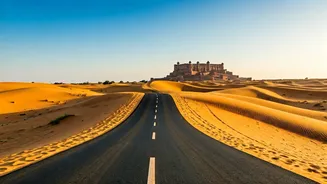
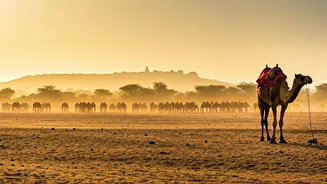
In western Rajasthan, the heat has not entirely subsided. Planning outdoor activities in Jodhpur and Jaisalmer still requires scheduling them for the early morning or late evening to avoid the intense midday sun. A key change is the increased likelihood of sudden thunderstorms and gusty winds, which can kick up dust and reduce visibility. A sunset camel safari in the Thar Desert remains a spectacular experience, but it’s now vital to check the daily forecast for storm warnings. Always go with a reputable operator who prioritizes safety and will cancel or reschedule if the weather turns volatile. Have an indoor backup plan, like exploring the magnificent Mehrangarh Fort or the intricate havelis of Jaisalmer.
Your Revised Packing List for Transitional Weather
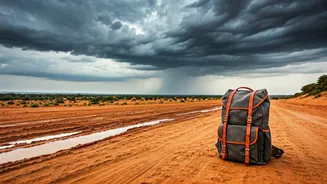
Packing for Rajasthan in this season is about versatility. Supplement your lightweight, breathable cotton clothes with items that can handle rain. A light waterproof jacket or a compact umbrella is now non-negotiable. Opt for quick-drying fabrics where possible. Footwear is critical; swap your open-toed sandals for sturdy, closed-toe shoes with good grip to navigate wet, uneven surfaces. Don't discard your sun protection, either. The sun can be intense between showers, so a hat, sunglasses, and a reliable sunscreen are still must-haves. Finally, carrying insect repellent is a smart move as the increase in moisture can lead to more mosquitoes.