

Gravity Is Still on the Job
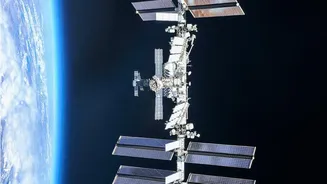
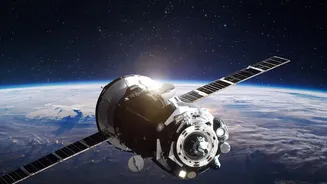
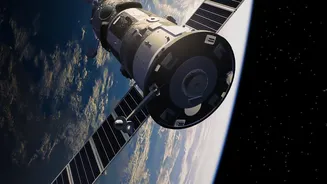
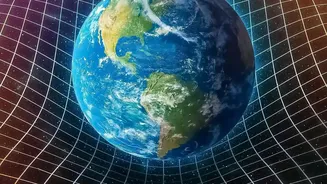
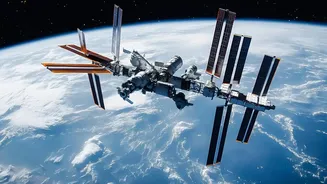
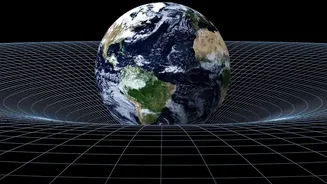
First, let's bust the biggest myth. There is no such thing as 'zero gravity' anywhere near Earth, and certainly not at the altitude of the ISS. The space station orbits at about 250 miles up. At that distance, Earth's gravitational pull is still about 90%
as strong as it is on the surface. If you could magically stop the ISS in its tracks, it and everything inside it would immediately plummet back to Earth. So if gravity is still pulling on the astronauts, why do they float?
The Secret Is in the Fall
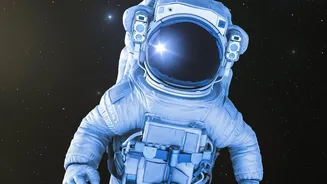
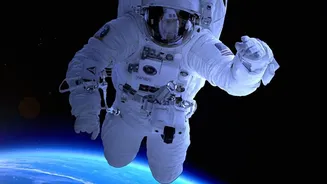
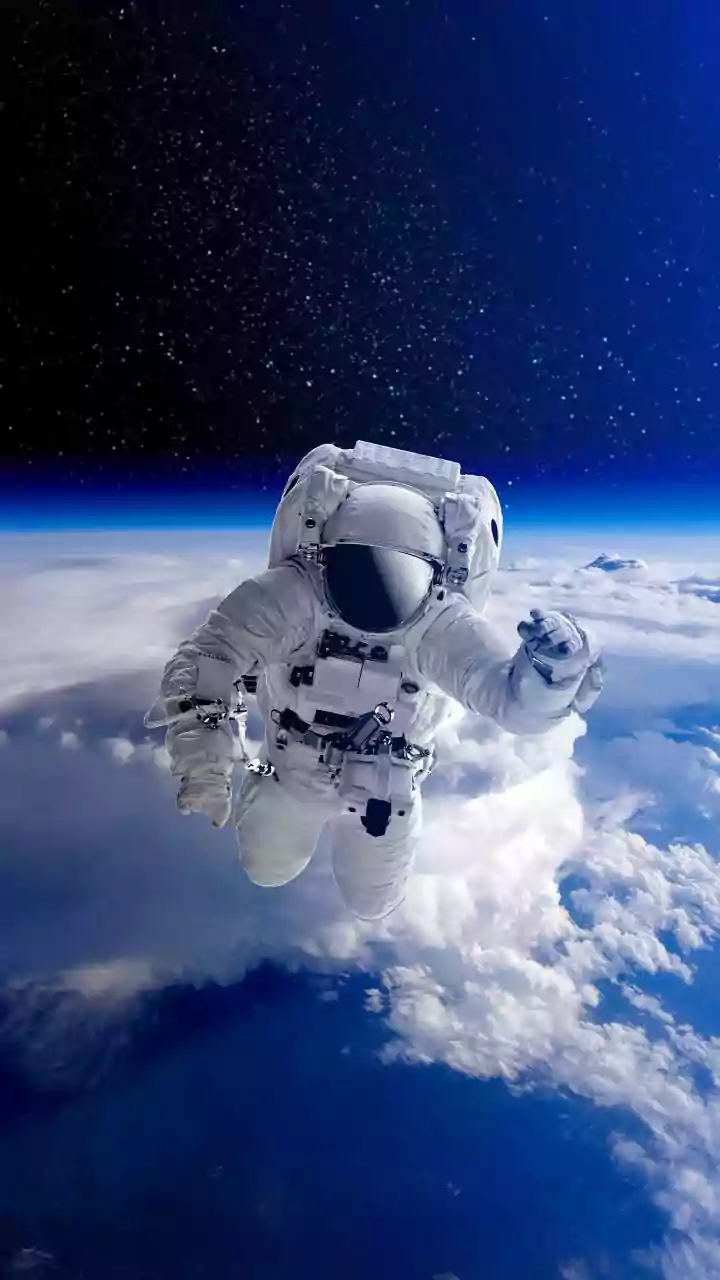
The key isn't the absence of gravity, but the presence of continuous freefall. The ISS is traveling sideways at a blistering 17,500 miles per hour. This incredible speed means that as it constantly falls toward Earth, the planet's surface curves away from it at the exact same rate. The station is perpetually falling, but it keeps missing the ground. Imagine being in an elevator when the cable snaps. For the few terrifying seconds before impact, you and anything you were holding would float relative to the elevator car. You are all falling together. Astronauts on the ISS are in that same state of freefall, just one that never ends because of their orbital velocity.
Defining 'Micro' Gravity
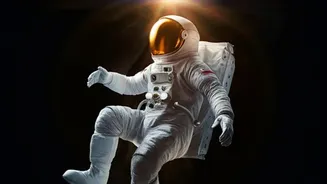
This is where the term 'microgravity' comes in. It describes an environment where the sensation of weight is nearly, but not perfectly, gone. While the station and its crew are all falling at the same rate, creating the feeling of weightlessness, it's not a truly 'zero' force environment. Tiny disturbances still exist. These can come from the slight atmospheric drag on the station, vibrations from machinery, or even from an astronaut pushing off a wall. These forces are minuscule, on the order of one-millionth of Earth's gravity, which is why scientists use the prefix 'micro.'
Why the Distinction Matters for Science
For casual conversation, 'zero gravity' gets the point across. But for the scientists conducting experiments on the ISS, the distinction is critical. They are there specifically to study how this unique microgravity environment affects everything from human physiology to the way fire burns. For example, protein crystals can grow larger and more perfectly without gravity's interference, aiding in drug design. Understanding these subtle effects requires the precise language of microgravity. Calling it 'zero gravity' would be an inaccurate description of the very conditions they are trying to measure, where even the smallest forces can influence an experiment's outcome. It’s a reminder that in science, precision matters.