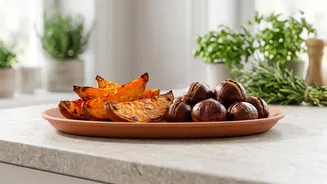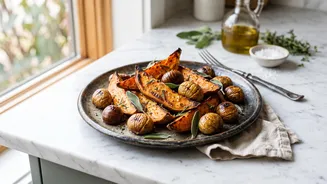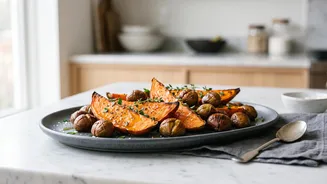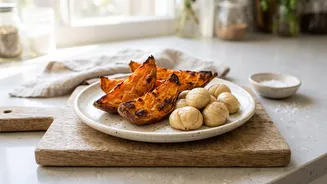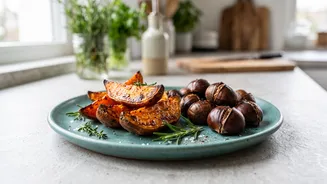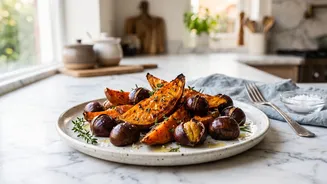



As the weather cools, two seasonal favourites grace our tables: the vibrant sweet potato and the rustic chestnut. While both are hallmarks of autumn and winter cuisine, their nutritional profiles are worlds apart, especially when it comes to Vitamin A.
The Vitamin A Showdown
When it comes to vitamin a, there is no contest: the sweet potato is a powerhouse. Just one medium-sized baked sweet potato can provide well over 100%, and sometimes up to 400%, of your recommended daily intake of vitamin a. This is thanks to its high concentration of beta-carotene, the antioxidant pigment that gives the vegetable its brilliant orange hue and which the body converts into vitamin a. This essential nutrient is vital for healthy vision, immune function, and organ health. In stark contrast, chestnuts contain little to no vitamin a. While some sources might mention trace amounts, they are not considered a significant source of this particular vitamin. So, if boosting your vitamin a is your goal, the sweet potato is the undeniable winner.
Beyond the Star Nutrient: Sweet Potato's Profile
Of course, the sweet potato's benefits don't stop at vitamin a. It is also an excellent source of vitamin c, which supports the immune system, and manganese, which is important for bone health and metabolism. They are virtually fat-free and packed with dietary fibre. This combination of high fibre and water content helps promote a feeling of fullness and supports a healthy digestive system by feeding beneficial gut bacteria. Despite their sweet taste, they have a low-to-medium glycemic index when boiled, meaning they release sugar into the bloodstream slowly, helping to maintain stable energy levels.
Chestnut's Unique Strengths
While chestnuts lose the vitamin a battle, they shine in other areas. Uniquely among nuts, they are relatively low in fat and calories but rich in complex carbohydrates and water content. This makes their texture softer and their nutritional makeup more similar to a fruit than a typical nut. Chestnuts are an excellent source of vitamin c, a feature not common in other nuts. They also provide a good amount of dietary fibre, which aids digestion and can help manage blood sugar levels. Furthermore, chestnuts are a valuable source of minerals like copper, manganese, and potassium, which is crucial for regulating blood pressure and supporting heart health.
Energy, Fat, and a Surprising Twist
Both foods are excellent sources of energy, but they deliver it differently. Sweet potatoes provide sustained energy through complex carbohydrates. Chestnuts do the same, making them a favourite for athletes needing a steady fuel source. The big difference lies in their composition. Chestnuts are prized for being low in fat, unlike their oily nut cousins. This makes them a lighter, yet still satisfying, snack. Sweet potatoes are also virtually fat-free. The surprising twist is the chestnut's high vitamin c content; a halfcup of raw chestnuts can provide a significant portion of your daily needs, though this amount decreases with cooking. This antioxidant is crucial for skin health and protecting cells from damage.
In the Kitchen: A Tale of Two Textures
Their differing nutritional profiles are mirrored in their culinary uses. The sweet potato is incredibly versatile. It can be baked whole, roasted in cubes, mashed into a creamy side, blended into soups, or even used as a base for pies and other baked goods. Its inherent sweetness pairs well with both savoury spices like cumin and paprika and sweet ones like cinnamon and maple. Chestnuts, with their firm yet tender texture when cooked, are a classic holiday staple. They are most famous when roasted, but they are also delicious when peeled and added to stuffings, simmered in stews, or pureed into decadent soups and desserts. Their flavour is nutty and slightly sweet, offering a distinct taste of the season.