





The Challenge of the Husk
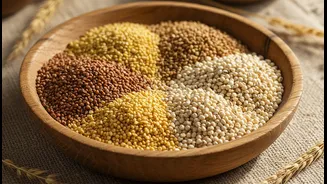
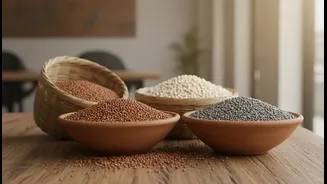
One of the biggest factors driving up the cost is processing. Millets like jowar (sorghum), bajra (pearl millet), and ragi (finger millet) are 'naked grains', meaning they don't have a hard, inedible outer husk. This makes them easier and cheaper to process.
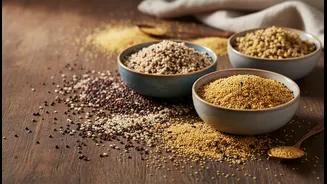
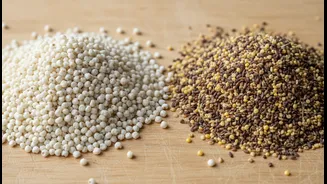
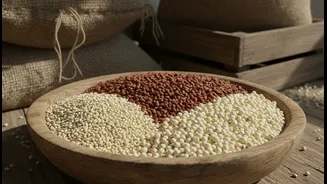
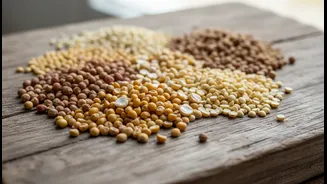
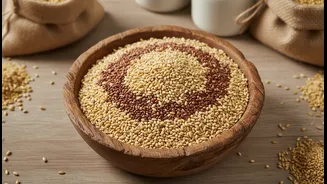
On the other hand, 'husked' or 'small' millets such as foxtail, little, kodo, barnyard, and browntop are encased in a tough shell that needs to be removed before consumption. This dehusking process is difficult and often requires specialized machinery. Because the grains are small and vary in size, standard machines used for rice or wheat are often inefficient, leading to breakage and lower yields of edible grain. The traditional method of manually pounding the grains is incredibly labour-intensive, and finding skilled operators for modern machines is also a challenge, all of which adds to the final cost.
Supply, Demand, and the Health Halo
The recent surge in health consciousness, amplified by initiatives like the International Year of Millets, has dramatically increased demand. Consumers are seeking out these nutrient-dense grains, but the supply for many minor millets hasn't kept pace. Historically, government policies favoured the production of rice and wheat with subsidies and robust procurement systems, causing the cultivation area for millets to shrink over decades. While demand is now booming in urban centres, farmers often receive low prices and lack incentives to grow these crops over more profitable alternatives. This gap between soaring consumer interest and a lagging, fragmented supply chain naturally pushes prices up.
The Hurdles of Cultivation
Although millets are famously hardy and drought-resistant, they are not without their agricultural challenges. Yields for many millet varieties are lower compared to heavily subsidized crops like wheat and rice. The cost of cultivation for farmers has also been rising, with increases in expenses for seeds and labour. Furthermore, erratic weather patterns, such as drought or excessive rain in key growing regions, can significantly impact production, creating supply shocks that lead to price spikes. For example, a drought in jowar-growing areas or heavy rain where browntop millet is cultivated can drastically reduce the harvest and drive up market rates.
The Organic and Unpolished Premium
Many health-conscious consumers specifically seek out organic and unpolished millets. Organic farming prohibits the use of synthetic pesticides and fertilizers, which often means more labour-intensive farming practices and lower yields, contributing to a higher price point. The 'unpolished' label is also key. Polishing removes the bran layer to increase shelf life, but it also strips away valuable fibre and nutrients. Unpolished millets retain this nutritious bran but have a shorter shelf life due to enzymes that can cause bitterness. This requires processors to manage smaller batches and maintain careful storage conditions, adding another layer of cost. Consumers are paying for a less processed, more nutrient-rich product that requires more careful handling along the supply chain.
An Inefficient Journey to Your Plate
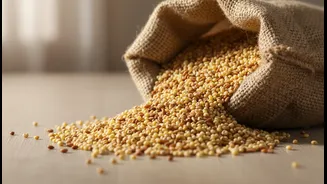
The path from a small farm to an urban supermarket is often long and inefficient for many millets. The supply chain is fragmented, with multiple intermediaries or middlemen between the farmer and the retailer. Each step—from procurement and storage to transportation and packaging—adds to the final cost. Unlike the highly optimized supply chains for rice and wheat, the infrastructure for many millets is still developing. Farmers in remote areas may lack direct market access, and inadequate storage facilities can lead to post-harvest losses, further constraining supply. This inefficiency means that by the time a packet of, for instance, kodo millet reaches a city store, its price has accumulated costs from every link in that complex chain.