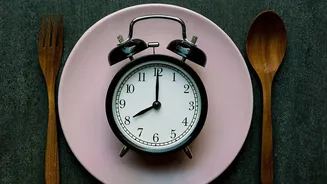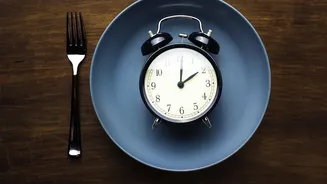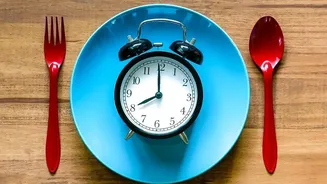







Your Body Runs on a Clock
Deep inside every one of us is a master 24-hour clock, known as our circadian rhythm. Primarily governed by light and darkness, this internal clock tells our bodies when to sleep, wake, release hormones, and perform countless other functions. But it’s
not just one clock; nearly every organ system has its own local timer, including your digestive tract. This gut clock ensures that your digestive system is primed for action during the day and winds down for rest and repair at night.
Why Nighttime Eating Causes Trouble
Your digestive system is designed to be most efficient during daylight hours. This is when it produces the right amount of stomach acid, digestive enzymes, and gut motility to break down food effectively. When you work a night shift and eat a large meal at 2 a.m., you’re essentially asking your gut to do hard labour when it's programmed to be resting. This mismatch, known as circadian disruption, is a primary reason why shift workers are more prone to digestive issues like acid reflux, gas, abdominal pain, and constipation. The food sits longer, isn't broken down as well, and can lead to significant discomfort.
Aligning Meals with Daylight
The most effective strategy to combat this digestive distress is to realign your eating schedule as much as possible with the sun, even when your work schedule is nocturnal. Research shows that confining your eating to a daylight window helps resynchronize your gut's internal clock with your body's master clock. This doesn't necessarily mean you must fast for your entire shift. Instead, it’s about strategically timing your meals to give your digestive system the best chance to work properly, reducing the burden placed on it during its natural downtime.
Tip 1: Make Your Pre-Shift Meal the Main Event
Think of the meal you eat before you head to work as your 'main dinner', regardless of the time. Have a substantial, balanced meal one to two hours before your shift begins. This should include lean protein, complex carbohydrates, and vegetables to provide sustained energy. This pre-shift meal fuels your body when your digestion is still relatively active, setting you up for the night without overloading your system when it’s least prepared.
Tip 2: Snack Smartly During Your Shift
If you get hungry overnight, opt for small, light, and easily digestible snacks instead of a large, heavy meal. Your goal is to maintain energy levels, not to challenge your resting gut. Good choices include yogurt, a handful of nuts, fresh fruit, or whole-grain crackers with cheese. Avoid fried, greasy, spicy, and overly sugary foods, as these are difficult to digest and can worsen symptoms like heartburn and bloating.
Tip 3: Hydrate with Water, Not Sugar or Caffeine
Dehydration can mimic hunger and increase fatigue, so keeping a water bottle handy is crucial. While caffeine can help with alertness, its effects can linger for hours and disrupt the precious sleep you need to get after your shift. Sugary drinks like soda or energy drinks provide a quick burst of energy followed by a crash, which won't serve you well over a long night. Stick to water, herbal teas, or low-fat milk.
Tip 4: Have a Light Post-Shift Bite
Going to bed completely starving can make it difficult to fall asleep. After your shift, have a small, light snack before you try to sleep. The key is choosing something that won't disrupt sleep or cause indigestion. A small bowl of whole-grain cereal, a piece of toast with peanut butter, or a smoothie are excellent options that can satisfy hunger without overburdening your system.