




The Monsoon Maida Problem
As the rain pours down, our desire for hot, crispy, and often fried snacks goes up. The default ingredient for many of these treats is maida, or refined wheat flour. While satisfying in the moment, maida is a simple carbohydrate that is stripped of most
of its fibre and nutrients during processing. This can lead to sharp spikes in blood sugar, followed by a crash that leaves you feeling sluggish and lethargic. During the monsoon, when the damp weather can already make our digestive systems a bit sensitive and slow, a diet heavy in refined flour can exacerbate feelings of bloating and heaviness, weighing you down when you’d rather feel light and energetic.
Enter: The Humble Singhara
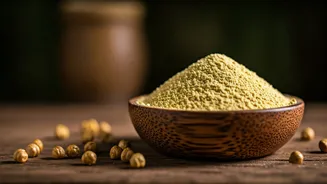
The solution isn’t to deny your cravings, but to satisfy them smartly. This is where water chestnut flour, or singhara ka atta, comes in. Derived from dried, ground water chestnuts (trapa bispinosa), this flour is a staple in Indian households, especially during fasting periods like Navratri. It’s naturally gluten-free and has a unique, slightly sweet and earthy flavour that works wonderfully in both savoury and sweet dishes. Far from being just a 'fasting flour', singhara atta is a powerhouse of nutrition that deserves a permanent spot in your pantry, especially during the monsoon.
A Nutritional Powerhouse
Swapping maida for singhara atta is a significant nutritional upgrade. Firstly, it is completely gluten-free, making it an excellent choice for individuals with celiac disease or gluten sensitivity. It is rich in potassium, which helps counteract the effects of sodium and can aid in managing blood pressure. Singhara atta is also a good source of dietary fibre, which promotes digestive health and keeps you feeling full for longer, preventing overeating. According to traditional Indian wisdom, water chestnuts have cooling properties, which can help balance the body during the humid monsoon months. It's a low-fat, nutrient-dense alternative that supports overall wellness.
Why It’s Perfect for Pancakes
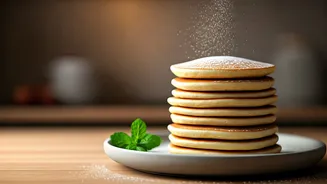
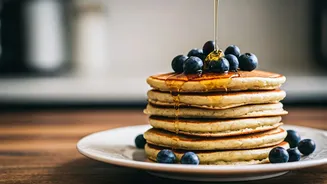
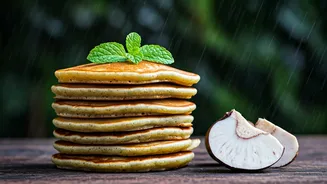
Singhara atta has a fine, smooth texture that lends itself beautifully to making pancakes, known in many parts of India as 'cheela'. Unlike some other gluten-free flours that can be dense or gritty, water chestnut flour creates a light, soft, and slightly crisp pancake. The batter comes together easily with just water and a few spices. It cooks quickly and holds its shape well, making it a fuss-free option for a quick breakfast, a light lunch, or an evening snack. Its mild flavour profile is a perfect canvas for both sweet and savoury additions, from a drizzle of honey to a filling of spiced paneer or vegetables.
Your Simple Singhara Pancake Recipe
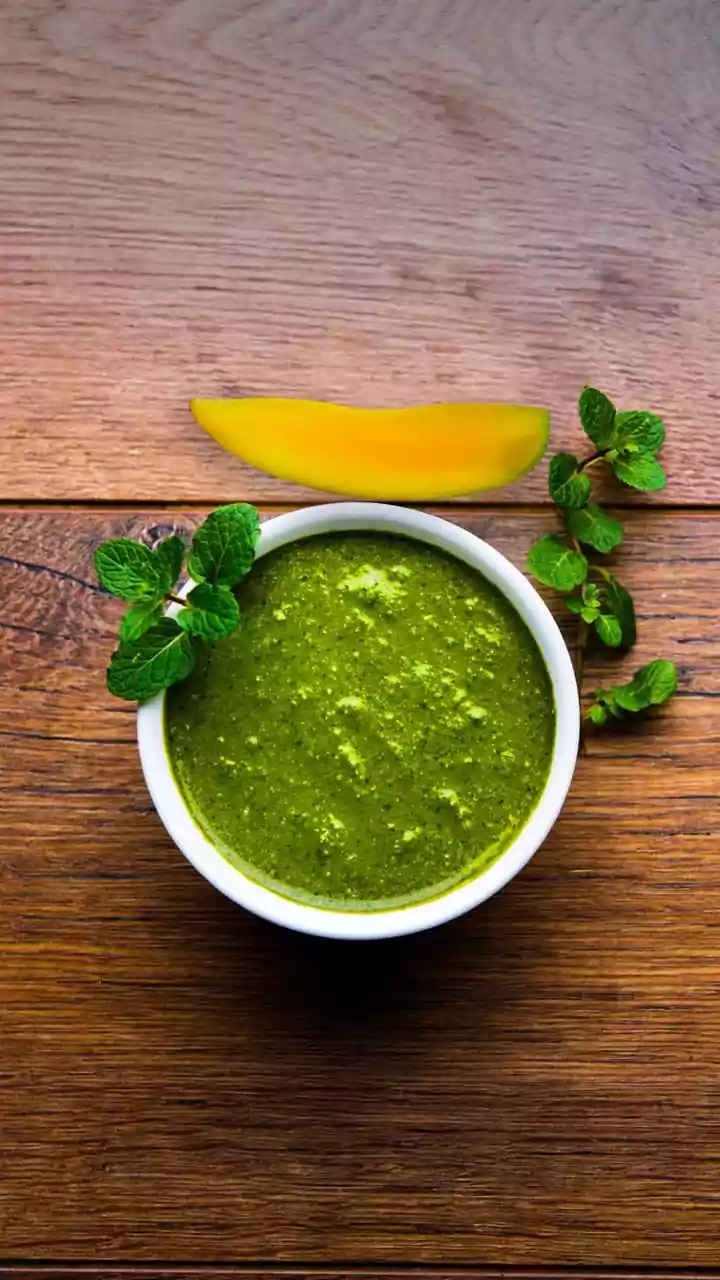
Ready to give it a try? It couldn’t be simpler. You don’t need a precise recipe, but a basic guide helps. 1. Make the Batter: In a bowl, take one cup of singhara atta. Slowly add water (about 1 to 1.5 cups) while whisking continuously to form a smooth, flowing batter without lumps. It should be the consistency of a standard dosa or cheela batter. 2. Season It: Add sendha namak (rock salt) to taste, a pinch of black pepper, and some finely chopped coriander or green chillies for a savoury version. For a plain version, just salt is fine. Let the batter rest for 10-15 minutes. 3. Cook the Pancakes: Lightly grease a non-stick pan or tawa with ghee or oil over medium heat. Pour a ladleful of batter in the centre and gently spread it into a thin circle. Drizzle a little ghee on top and around the edges. Cook for 2-3 minutes on one side until the edges lift and the top looks cooked. Flip and cook the other side for another minute until golden brown spots appear. 4. Serve Hot: Enjoy your singhara pancakes hot, either plain or with a side of mint chutney, yoghurt, or your favourite pickle.