




The Focus on What, Not How Much
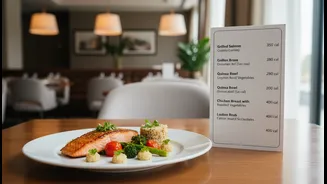
Discussions about restaurant nutrition in India have made great strides. Thanks to regulations from the Food Safety and Standards Authority of India (FSSAI), many restaurant chains are now required to display calorific values on their menus. This push
for transparency helps diners understand the energy content of their choices, differentiating between a creamy dal makhani and a lighter vegetable curry. Consumers are becoming more aware of ingredients, cooking methods, and allergens. Yet, this focus on the what often overshadows the equally important question of how much. A dish made with the healthiest ingredients can become a calorie bomb if the portion is two or three times a standard serving size. Dining out is a major risk factor for obesity, partly because meals prepared away from home are substantially higher in calories than those made at home.
The Rise of 'Portion Distortion'
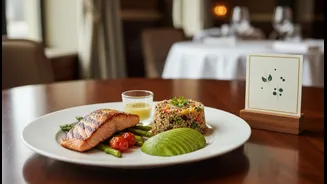
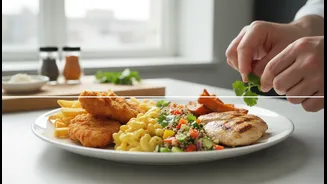
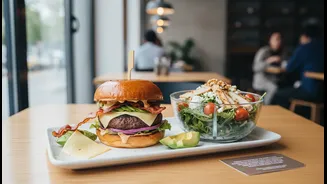
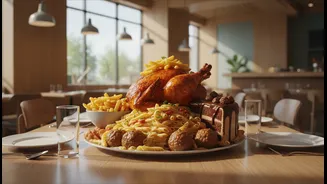
Over the last few decades, what we consider a 'normal' portion has been quietly expanding, a phenomenon known as "portion distortion." Research shows that today's single-serving meals, from pasta dishes to muffins, are often two to five times larger than they were in the past. This shift is driven by a mix of economics and psychology. For restaurants, offering larger portions can justify higher prices and create a perception of good value, especially when bulking up dishes with low-cost ingredients like pasta or potatoes. Over time, this has reset our expectations; we've become accustomed to oversized plates and see them as the standard, making it harder to recognise what a truly appropriate amount of food looks like. This is not a failure of willpower; studies consistently show that when people are served more, they eat more, regardless of hunger levels.
The Indian Context: From Thalis to Takeaways
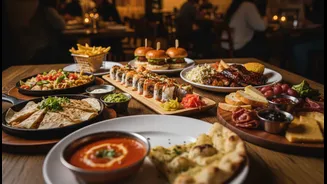
In India, the concept of portion size is complex and varies widely. The traditional thali system, with its array of small bowls (katoris), is a built-in form of portion control and variety. However, the rise of all-you-can-eat buffets and large sharing platters common in Indian and Chinese restaurants encourages overconsumption. A study on urban Indian adults found that while some traditional meal components like a single chapati are reasonably sized, items like rice and beverages are often consumed in very large quantities. As international fast-food chains and modern casual dining restaurants expand their footprint in India, so does the culture of supersizing that has become a major public health concern in Western countries. The perception of 'value for money' remains a powerful driver for Indian consumers, making large portions an attractive marketing tool.
Reclaiming Control of Your Plate
While systemic change from the restaurant industry would be ideal, diners are not powerless. The first step is awareness: recognizing that a single restaurant entrée might actually be enough for two meals. Many experts suggest simple, practical strategies to manage oversized portions. One of the most effective is to ask for a takeaway container when your meal arrives and immediately pack away half for later. Another approach is to share a main course with a companion or to construct a meal from one or two appetizers or side dishes instead of a large entrée. Some restaurants may even offer half-portions if you ask. It's also helpful to eat slowly, as it takes the brain about 20 minutes to register fullness, which can prevent you from clearing an oversized plate just out of habit.