

Your Home Breathes Again
For months, homes across India have been fighting a battle against dampness. Clothes take forever to dry, a musty smell clings to everything, and walls feel perpetually clammy. The withdrawal of the monsoon marks a collective sigh of relief for our living
spaces. Finally, you can throw open the windows without fear of a sudden downpour. It’s the perfect time to air out cupboards, sun your mattresses and heavy blankets, and let that fresh, dry air chase away the last of the seasonal gloom. Laundry cycles return to normal, and the simple joy of crisp, sun-dried clothes is restored. This is also a crucial period for a post-monsoon clean-up, tackling any mould or mildew that may have appeared in damp corners.
A Shift in Health & Wellness
While the monsoon brings a high risk of water-borne diseases and fungal infections, the post-monsoon period requires a different kind of health vigilance. With stagnant water left behind by the rains, it becomes a prime breeding season for mosquitoes, increasing the risk of diseases like dengue and malaria. It's essential to ensure no stagnant water collects around your home. On the upside, the decrease in humidity offers relief for many, especially those with respiratory issues or joint pain that flares up in damp weather. Our diets also naturally shift. The craving for hot, fried snacks during the rain gives way to an appetite for fresh produce. It’s a time when digestive systems, often sluggish during the monsoon, begin to feel more robust.
The Return of the Wardrobe
The end of the monsoon means you can finally reclaim your wardrobe. The practical-but-dull rain gear, quick-drying synthetics, and rubber footwear can be packed away. It’s time to bring back the fabrics you’ve missed: crisp cottons, silks, and even denims that were too impractical to wear in the constant humidity and unpredictable showers. Fashion becomes fun again. You can step out without the nagging worry of a sudden downpour ruining your outfit or your leather shoes. It’s a small but significant shift that allows for more personal expression and comfort, signaling a return to normalcy in our daily dress.
Weekend Travel Is Back on the Map
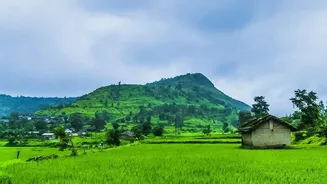
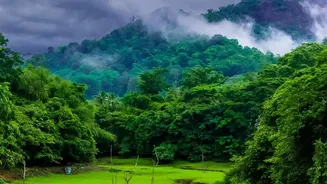
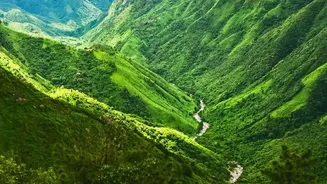
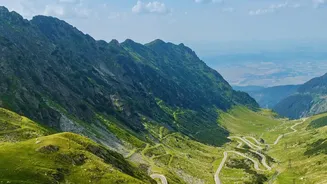
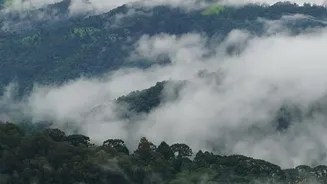
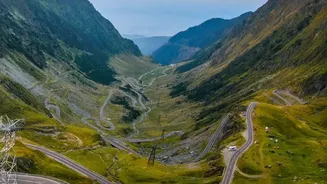
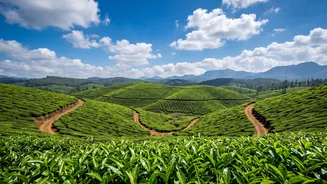
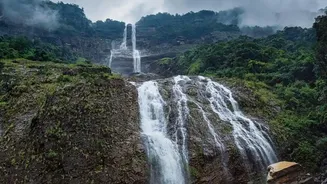
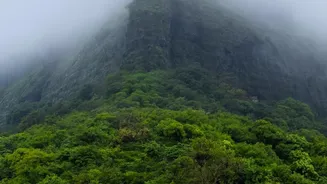
The headline says it all. Cancelled plans and treacherous road conditions are hallmarks of the monsoon for travellers. But the post-monsoon window, typically from late September to November, is arguably one of the best times to explore India. The landscape, washed clean by the rains, is at its most lush and vibrant green. Waterfalls are still full, and the air is crisp and clear. Hill stations like Coorg, Munnar, and Lonavala are spectacularly beautiful during this time. National parks like Jim Corbett often reopen their core zones. It's the perfect season for road trips, trekking, and photography, with fewer crowds and lower prices than the peak winter season. The world outside your city limits finally feels accessible and inviting again.
A Change in Collective Mood
Beyond the practical changes, the withdrawal of the monsoon ushers in a significant psychological shift. The long, grey days are replaced by bright sunshine, which can have a powerful effect on energy levels and mood. There’s a palpable sense of renewed energy and optimism. Outdoor life resumes. Evening walks, children playing in parks, and street-side vendors all return with force. This period also leads directly into India's main festive season, including Dussehra and Diwali. The clear skies and pleasant weather feel like a natural precursor to the celebrations, providing the perfect backdrop for the joy and community spirit that defines the last quarter of the year.