






Finding Reliable Forecasts
Before you even pack your bags, the first step is to know where to get accurate weather information. The most reliable source is the India Meteorological Department (IMD), the country's official weather agency. You can access its forecasts, bulletins,
and warnings through its main website (mausam.imd.gov.in), the sites of its regional centres, and its official mobile apps like 'Mausam'. These platforms provide district-wise warnings, nowcasts for immediate conditions, and five-day forecasts. Relying on these official channels is crucial for getting timely and precise information, rather than depending on generic weather apps which may not be as detailed.
Green Alert: All Is Well
A Green alert from the IMD means 'All is Well'. For travellers, this is the best-case scenario. It indicates that no adverse weather is expected and no specific advisory is necessary. You might encounter light, scattered showers or even completely dry weather, but there is no forecast for significant disruptions. This is the green light to proceed with your planned activities, be it trekking, sightseeing, or exploring the local area. While carrying a light raincoat or umbrella is always a good idea during the monsoon season, a Green alert means you can travel with confidence.
Yellow Alert: Be Aware
When the IMD issues a Yellow alert, it's a signal to 'Be Aware' or 'Watch'. This indicates that weather conditions are changing and could worsen over the next few days, potentially causing some disruption to daily activities. For travellers, a Yellow alert is a heads-up. The forecast might involve moderate rainfall, which could lead to minor traffic delays or waterlogging in low-lying areas. While you don't need to cancel your plans, it's wise to build extra time into your itinerary, check your route before heading out, and stay updated on the latest forecasts. It’s a call for caution, not alarm.
Orange Alert: Be Prepared
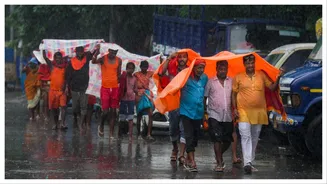
An Orange alert is a serious warning that means 'Be Prepared'. The IMD issues this when extremely bad weather is expected, with a high likelihood of disruption. This typically involves forecasts of heavy to very heavy rainfall (between 115.6 mm and 204.4 mm in 24 hours). An Orange alert signals a potential for significant travel disruptions, including road and rail closures, flight delays, and power outages. For travellers, this is a sign to reconsider your plans. Avoid visiting areas prone to landslides or flooding. If you are already at your destination, it is advisable to stay indoors, stock up on essentials, and prepare for potential interruptions.
Red Alert: Take Action
A Red alert is the highest level of warning and means 'Take Action'. It is reserved for when extremely severe weather is imminent or already occurring, posing a significant threat to life and property. This corresponds to forecasts of exceptionally heavy rainfall (over 204.5 mm in 24 hours), which can lead to widespread flooding, major infrastructure damage, and landslides. If a Red alert is issued for your destination, travel should be avoided at all costs. If you are in an affected area, your priority must be safety. Stay indoors, follow all instructions from local authorities, and be prepared for possible evacuations. All sightseeing and non-essential travel must be stopped.
Beyond Colours: Understanding the Hazard
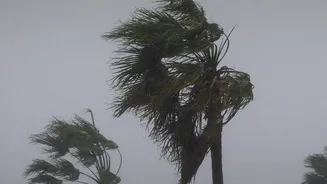
It’s also important to note that these colour codes are used for a variety of weather events, not just rainfall. The alerts will specify the nature of the hazard, which could include thunderstorms with lightning, squally winds, or cyclonic storms. For instance, a Yellow alert might be for heavy rain in one region but for thunderstorms in another. Reading the accompanying text is just as important as knowing the colour. This detailed information helps you understand the specific risks, whether it’s the danger of flash floods in hilly areas or strong winds along the coast, allowing for better and safer decisions.