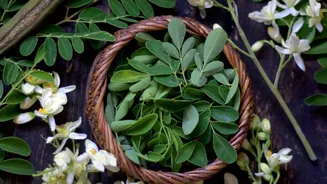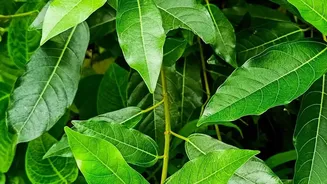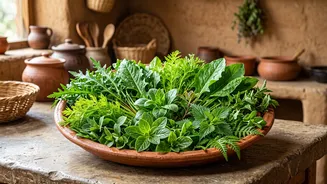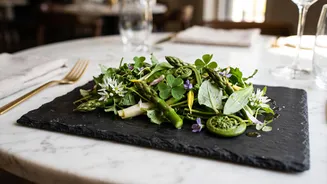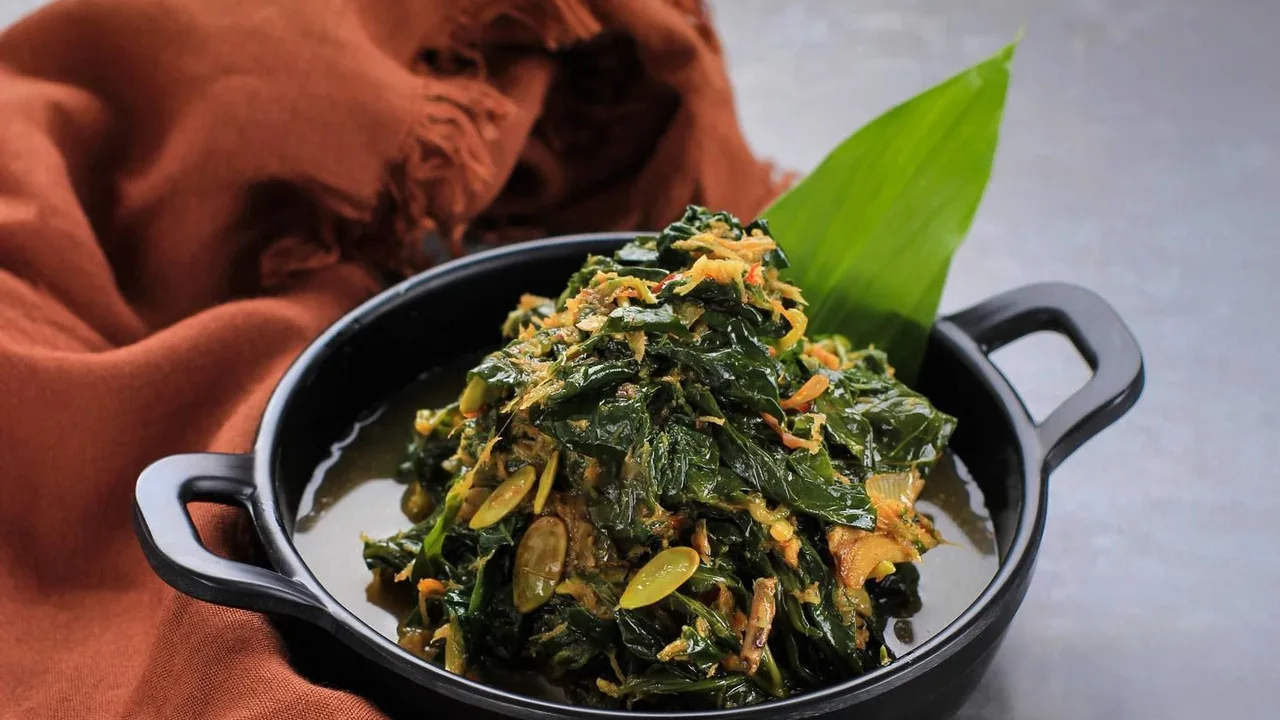







Long before supermarkets offered polished produce, the forests of Central India provided a bounty of wild, edible greens. These are not just vegetables; they are a taste of the wild and a cornerstone of Adivasi culture.
A Legacy Rooted in the Land
In the heartlands of states like
Madhya Pradesh, Chhattisgarh, and parts of Maharashtra, foraging is not a trend but a way of life passed down through generations. For the Gond, Bhil, and other Adivasi communities, the forest is a pantry, and its seasonal offerings dictate the rhythm of their cuisine. This intimate knowledge of the ecosystem — knowing which leaf to pick, when to harvest, and how to prepare it — is a form of embodied wisdom that connects people directly to their land. This practice, often called collecting 'ranbhaji' (wild vegetables), is a sustainable tradition where foragers take only what is needed, ensuring the forest continues to provide.
The Monsoon's Fleeting Bounty
The arrival of the monsoon transforms the Central Indian landscape into a lush, green carpet, signaling the start of the foraging season. Many of the most prized leafy vegetables, like 'takla' (Cassia tora) and 'kena saaga', appear only during these wet months. This seasonality makes them an ephemeral treasure. Foragers, often women and children, venture into familiar territories to gather these greens, which are then used to create a variety of dishes. This act of gathering is as much a part of the culinary experience as the cooking itself, turning a simple meal into the result of a treasure hunt in the wilderness.
Flavours Unfiltered by Cultivation
Unlike their cultivated counterparts, which have been bred for uniformity and shelf life, forest-foraged greens possess a spectrum of bold, untamed flavours. Some are peppery, others are tangy and sour like 'gongura' (sorrel leaves), while many have a complex, earthy bitterness that is highly valued. These greens, such as the spiny 'mullu keerai' (wild amaranth) or the fern-like 'dhekia xaak', offer textures and tastes that cannot be replicated. They bring a unique character to dishes, often prepared simply with minimal spices to let the natural flavour of the leaves shine through. This is food in its most elemental form, with a taste profile shaped by the soil and season.
A Nutritional Powerhouse
Wild edible plants are nutritional powerhouses, often containing higher concentrations of vitamins, minerals, and antioxidants than commercially grown vegetables. Greens like amaranth, purslane, and moringa leaves, which often grow wild, are incredibly rich in iron, calcium, vitamin C, and beta-carotene. For communities that have historically had limited access to markets, these foraged foods provide essential micronutrients, acting as a natural defence against malnutrition and illness. The consumption of a diverse range of these greens ensures a well-rounded intake of nutrients that support everything from strong bones to a healthy immune system.
Challenges and the Path Forward
This rich botanical and culinary heritage faces significant threats. Deforestation, changing land use, and the increasing reliance on modern, market-based diets are leading to a decline in both the availability of these plants and the traditional knowledge required to identify and use them. Younger generations are often less involved in the practice of foraging, risking the loss of this invaluable wisdom. However, there is a growing recognition of the importance of these wild foods. Initiatives like 'Ranbhaji' festivals and efforts by culinary experts and activists are helping to document and popularize these greens, bringing them to a wider audience and restilling a sense of pride in this unique culinary tradition.