




The Protein Puzzle
To build muscle, you need two things: consistent strength training and adequate protein. When you lift weights, you create tiny micro-tears in your muscle fibres. Protein provides the essential building blocks, called amino acids, that repair this damage
and rebuild your muscles bigger and stronger. Without enough protein, your body can't effectively repair and grow. For active individuals looking to build muscle, experts often recommend a daily protein intake of 1.6 to 2.2 grams per kilogram of body weight. This is achievable on a vegetarian diet, but it requires a strategic approach to food.
India's Protein Powerhouses
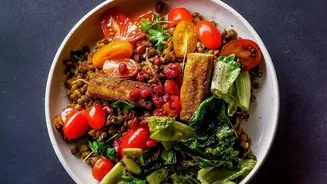
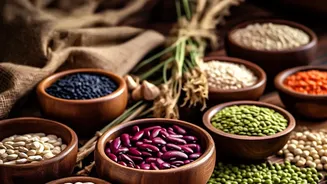
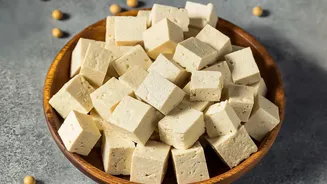
The good news for anyone following an Indian diet is that powerful protein sources are already part of our culinary landscape. Let's look at the three mentioned in the headline: lentils, paneer, and tofu. Lentils (Dal): A staple in every Indian kitchen, lentils are a fantastic source of plant-based protein, fibre, and iron. A cup of cooked dal can provide around 18 grams of protein. They are affordable, versatile, and provide sustained energy. Paneer: This fresh Indian cheese is a vegetarian favourite for a reason. It's a high-quality protein source, packing about 18-20 grams per 100-gram serving. It contains casein, a slow-digesting protein that provides a steady release of amino acids, making it excellent for muscle recovery. Tofu: Made from soybeans, tofu is a lean protein powerhouse. A 100-gram serving of firm tofu contains roughly 17 grams of protein, but with significantly fewer calories and fat than paneer. It's also a valuable source of iron and calcium.
The Art of Combination
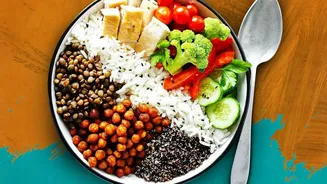
The magic of a vegetarian muscle-building diet lies in combination. Animal proteins are 'complete', meaning they contain all nine essential amino acids the body cannot produce on its own. Most plant proteins are 'incomplete', lacking one or more of these essential amino acids. However, by pairing different plant foods, you can easily create a complete amino acid profile. For instance, lentils are slightly low in one amino acid (methionine), while rice is low in another (lysine). When you eat dal with rice, you consume a complete protein. Soy products like tofu are an exception, as they are one of the few plant-based foods that are a complete protein on their own, containing all nine essential amino acids. Paneer, being a dairy product, is also a complete protein. Combining these foods ensures your body has all the tools it needs for muscle protein synthesis.
Your Daily Strength Menu
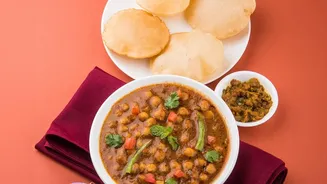
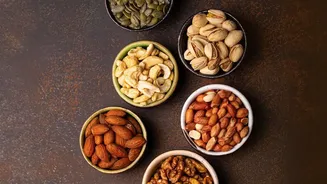
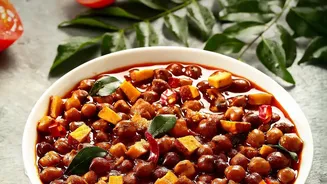
Putting this into practice is simple and delicious. Instead of thinking of these ingredients in isolation, build meals around their combined power. For lunch, a hearty bowl of rajma or chana with a side of brown rice and a serving of paneer bhurji provides a multi-source protein punch. Post-workout, a tofu scramble offers a quick, complete protein to kickstart recovery. For dinner, a mixed vegetable curry that includes both lentils and cubes of tofu can be both satisfying and effective. Don't forget protein-rich snacks like a handful of almonds, Greek yogurt (hung curd), or roasted chickpeas to keep your protein intake steady throughout the day.
Beyond The Power Trio
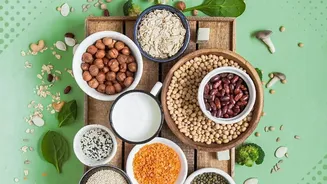
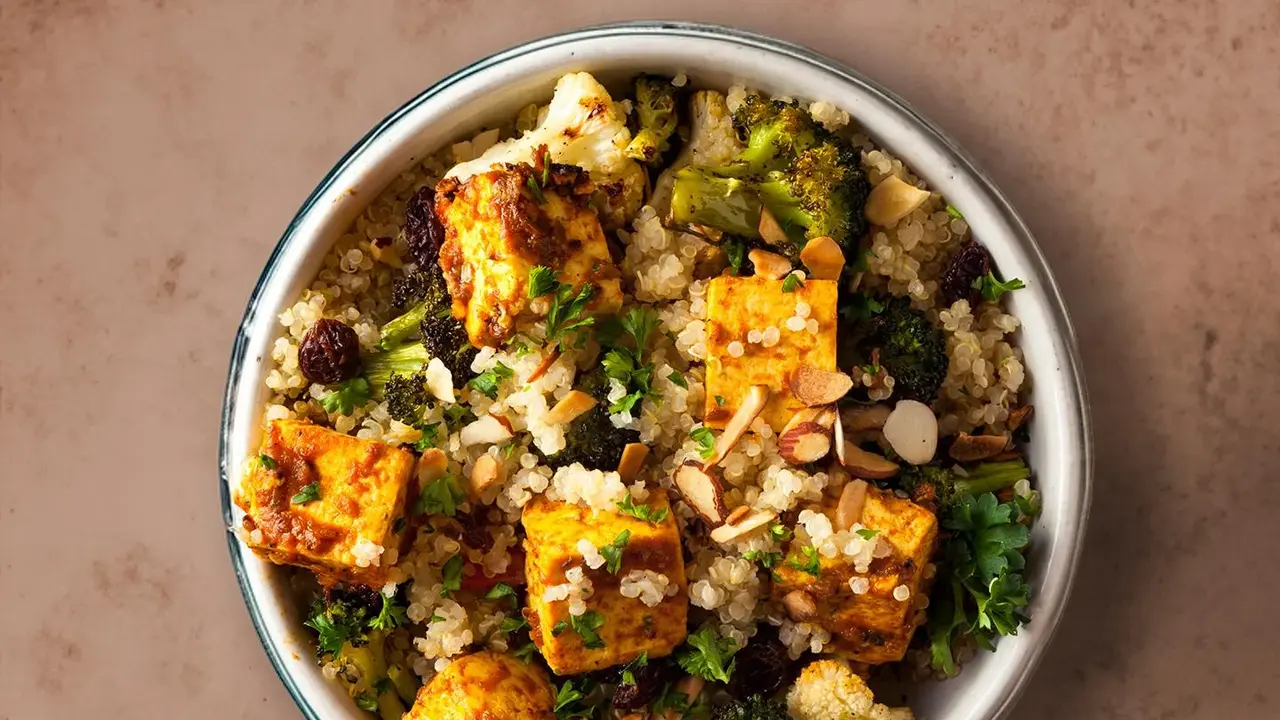
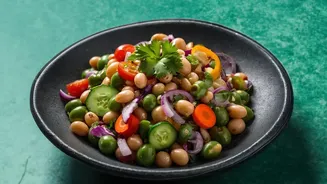
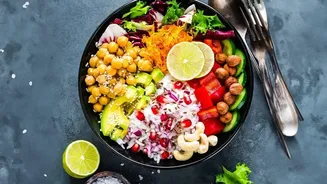
While lentils, paneer, and tofu are excellent cornerstones, a varied diet is crucial for both muscle growth and overall health. Expand your protein portfolio with other readily available options in India. Chickpeas (chana), kidney beans (rajma), and black-eyed peas (lobia) are all fantastic legume choices. Soya chunks offer an incredibly high protein content, with about 52 grams per 100g (dry). Nuts and seeds like almonds, walnuts, and pumpkin seeds add protein, healthy fats, and important micronutrients. And don't overlook grains like quinoa, which is another rare plant-based complete protein.