







Embrace Warm, Cooked Foods
According to both traditional Ayurvedic wisdom and modern science, the monsoon is a time when our digestive fire, or 'agni', is at its weakest. The high humidity can slow down metabolism and make digestion sluggish. This is why it’s best to favour warm,
light, and freshly cooked meals. Think hearty soups, steamed vegetables, and broths. These are not only easy to digest but also help in keeping your body warm and preventing infections. A warm bowl of moong dal soup or a simple vegetable stew can be both comforting and incredibly beneficial during this season.
Boost Immunity with Spices
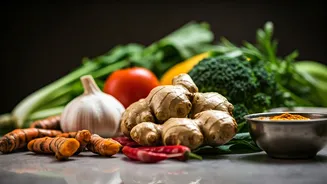
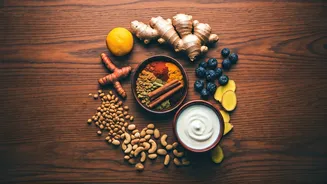
Indian kitchens are a treasure trove of immunity-boosting spices. The monsoon is the perfect time to make them your best friends. Turmeric, with its powerful anti-inflammatory compound curcumin, is a must-have. Add a pinch to your milk or curries. Ginger and garlic are excellent for fighting off colds and coughs; incorporating them into your daily cooking or having ginger tea can work wonders. Other spices like black pepper, cinnamon, and cloves also have antimicrobial properties that help build your body's defences against seasonal infections.
Be Wise with Fruits and Vegetables
While fruits are essential, be selective. Opt for seasonal fruits like pomegranates, apples, pears, and plums. It's best to avoid pre-cut fruits from vendors as they are highly susceptible to contamination. When it comes to vegetables, raw salads are a risky bet due to the higher chance of germs. It's also traditionally advised to be cautious with leafy green vegetables. If you do eat them, ensure they are washed thoroughly, preferably in warm water with a bit of salt or vinegar, and cooked properly. Gourds like lauki (bottle gourd), tori (ridge gourd), and karela (bitter gourd) are excellent choices as they are light and easy to digest.
Rethink Your Street Food Cravings
The craving for hot pakoras and spicy chaat intensifies when it rains, but this is the time to be most cautious. Street food, especially items that use water in their preparation like chutneys and golgappe ka pani, pose a significant risk of water-borne diseases like typhoid and jaundice. The oil used by many vendors is often reused multiple times, which can cause digestive issues. If the craving is irresistible, try making these snacks at home where you can control the quality of the ingredients and hygiene.
Hydrate, but Hydrate Smartly
You might not feel as thirsty due to the humid weather, but staying hydrated is crucial for flushing out toxins. However, stick to boiled, filtered, or purified water. Avoid drinking water from unknown sources. Instead of cold drinks, opt for warm beverages like herbal teas. A concoction of tulsi, ginger, and honey is not only hydrating but also excellent for preventing sore throats and coughs. Limiting dairy intake, especially heavy products like cheese and certain yoghurts, is also a good idea as they can be harder to digest.
Incorporate Probiotic Foods
A healthy gut is the foundation of good immunity. The monsoon can disrupt the balance of good bacteria in your digestive system. Including probiotics in your diet can help restore this balance. Freshly made, light buttermilk (chaas) is a fantastic probiotic drink that aids digestion. Home-set curd is another great option. These foods not only keep your gut healthy but also help in better absorption of nutrients, keeping you strong from within.