
Poha: The Light and Quick Carb-Lover's Delight
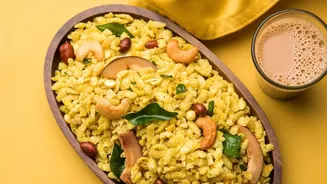
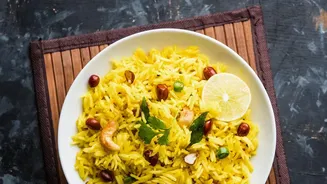
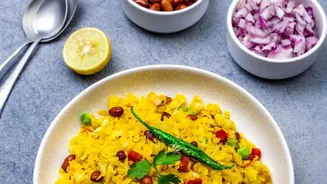
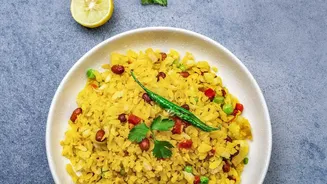
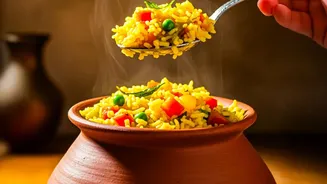
Hailing from Maharashtra, poha is arguably one of India’s most beloved breakfast staples. Made from flattened rice, its greatest strength lies in its speed and simplicity. The dehydrated flakes require only a quick rinse before being tossed into a pan
with tempered spices, onions, and perhaps potatoes. The result is a light, fluffy, and savoury dish that is easy on the stomach yet provides a substantial carbohydrate-based energy boost to start the day. Nutritionally, poha is a good source of healthy carbohydrates and is rich in iron, partly due to the traditional iron rollers used in its production. Its versatility is another key attraction. While Kanda Batata Poha (with onions and potatoes) is classic, variations abound across the country, from the famous Indori poha topped with sev and pomegranate seeds to tangy versions made with tamarind in Karnataka. This makes it a perfect canvas for customisation, allowing you to add vegetables, peanuts, or sprouts to enhance its nutritional profile.
Pesarattu: The Protein-Packed Powerhouse from Andhra
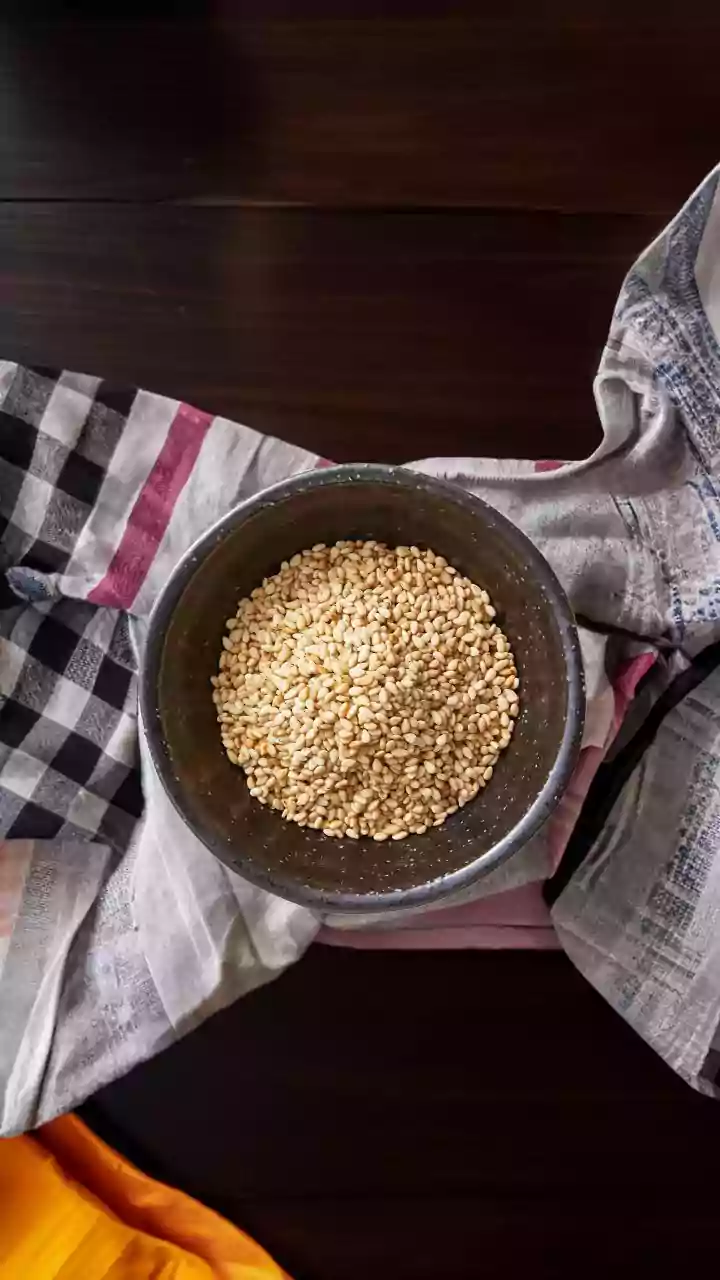
For those seeking a more protein-centric start to their day, look no further than Pesarattu from Andhra Pradesh. Its name comes from the Telugu words 'pesara' (moong dal) and 'attu' (dosa). Unlike its more famous cousin, the rice-and-urad-dal dosa, Pesarattu is made from a batter of soaked whole green moong dal, blended with ginger and green chillies. This makes it naturally gluten-free and incredibly rich in plant-based protein and dietary fibre, which promotes satiety and helps regulate blood sugar. The batter doesn't require fermentation, meaning you can soak the lentils overnight and have fresh, crispy crepes ready in the morning. Traditionally served with a spicy ginger chutney, Pesarattu offers a crisp texture and an earthy flavour. A popular and indulgent variant is the 'MLA Pesarattu', which comes stuffed with savoury upma. This version is said to have originated in the canteens of the State Legislative Assembly in Hyderabad as a special off-menu item for its members.
Chilla: The Versatile and Savoury Pancake
Often described as a savoury Indian pancake, the Chilla is a North Indian favourite that shines because of its versatility. The most common version is the Besan Chilla, made from gram flour (besan), which is a fantastic source of protein and fibre. The batter is a simple mix of flour, water, and spices like turmeric and ajwain (carom seeds), and can be whipped up in minutes, making it an ideal choice for busy mornings. Besan chillas are also gluten-free and have a low glycaemic index, providing sustained energy without the crash. But the creativity doesn't stop at besan. Chillas can also be made from ground moong dal, oats, or semolina, each offering a different texture and nutritional profile. They can be cooked plain or with finely chopped vegetables like onions, tomatoes, and capsicum mixed into the batter. For a more filling meal, they can even be stuffed with paneer, making them a well-rounded and nutritious breakfast.
A Breakfast for Every Mood
Together, these three dishes form a perfect triangle of breakfast options that cater to different needs and cravings. Poha offers a quick, light, and comforting carbohydrate fix. Pesarattu delivers a crispy, high-protein meal that keeps you full for longer. Chilla provides a soft, savoury, and endlessly customisable pancake experience. While Poha is primarily carb-focused, both Pesarattu and Chilla are protein powerhouses. In terms of preparation, Poha is the fastest, while Pesarattu requires pre-soaking and Chilla needs just a quick mix. By rotating between the fluffy texture of Poha, the crispiness of Pesarattu, and the soft, spongy nature of Chilla, you can effortlessly introduce a world of flavour, texture, and nutrition into your morning routine, ensuring breakfast is never boring again.