


The Daily Discard Dilemma
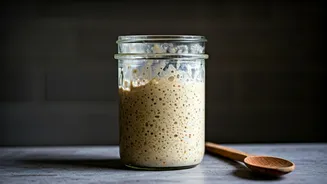
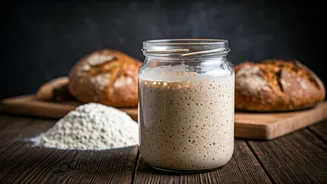
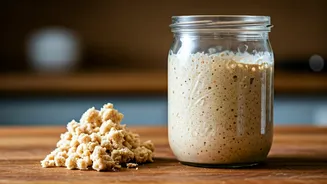
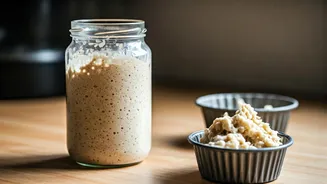
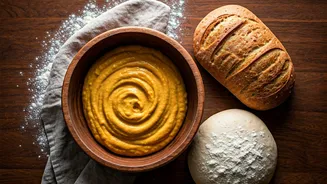
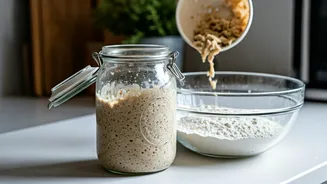
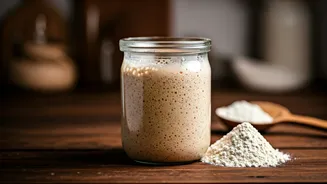
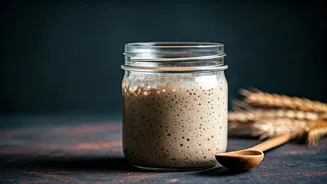
To keep a sourdough starter healthy and active for baking, you need to feed it regularly with fresh flour and water. But first, you must remove a portion of the existing starter. This unfed portion is what's known as 'sourdough discard'. While not lively
enough to leaven a loaf of bread on its own, it's a flavourful, fermented mix of flour and water. For many, this results in a significant amount of discard being thrown away each week, contributing to household food waste. While composting is a better option than the bin, the most impactful choice is to prevent the waste in the first place.
Food Waste and the Urban Carbon Footprint
In cities, food waste is a major environmental issue. When organic matter like sourdough discard ends up in a landfill, it decomposes without oxygen, a process that releases large quantities of methane. Methane is a potent greenhouse gas, with a warming power more than 28 times that of carbon dioxide over a 100-year period. According to the U.S. Environmental Protection Agency, municipal solid waste landfills are the third-largest source of human-related methane emissions in the United States, and food waste is the single largest component dumped in them. In fact, food waste is responsible for an estimated 58% of the fugitive methane emissions from these landfills.
From Kitchen Waste to Climate Solution
This is where using your sourdough discard becomes a powerful act of climate stewardship. Every gram of discard you cook with is a gram that's diverted from the waste stream. By preventing it from ending up in a landfill, you are directly preventing methane emissions. But the benefit goes even deeper. Think about the 'embedded carbon' within the flour itself. A significant amount of energy and resources—from farming the wheat, to transportation, to milling—goes into producing every bag of flour. When you throw away discard, you're not just wasting flour; you're wasting all the greenhouse gases emitted to create it. Using it in recipes honours and preserves these resources, effectively reducing the overall carbon footprint of your food consumption.
Easy and Delicious Ways to Use Discard
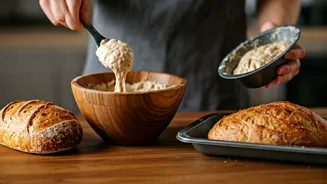
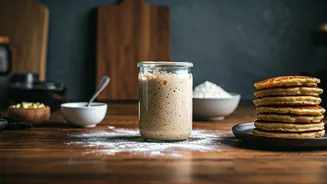
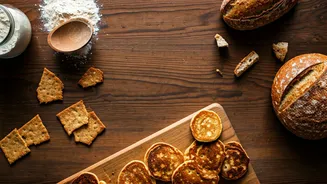
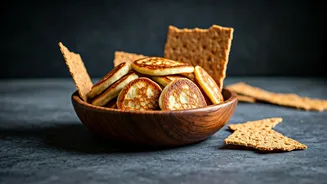
The best part about this sustainable practice is that it’s delicious. Sourdough discard can add a complex, tangy flavour and a wonderfully tender texture to a huge variety of dishes. It’s not about leavening; it’s about flavour and reducing waste. Think of it as a bonus ingredient. You can collect discard in a jar in your refrigerator for up to a week and use it as you need it. Some of the most popular and easiest ways to incorporate it include making pancakes, waffles, and crepes. It’s also fantastic for creating crispy crackers, pizza crusts, and flatbreads. You can even add it to recipes for banana bread, cookies, and biscuits to enhance their flavour and moisture.
Fostering a Zero-Waste Mindset
Ultimately, cooking with sourdough discard is about more than just one ingredient. It’s a tangible way to engage with the principles of a circular kitchen economy. It encourages a mindset of resourcefulness, prompting us to see potential in what we might otherwise throw away. This simple habit can ripple outwards, making us more conscious of other forms of food waste in our kitchens. If global food waste were a country, it would be the third-largest greenhouse gas emitter after the U.S. and China. By making a small change in how we handle our sourdough starter, we join a global movement to reduce that number, one pancake and cracker at a time.