




The Origin of 'City of Joy'
Unlike ancient monikers earned over centuries, Kolkata’s most famous nickname is relatively modern. It was popularised by French author Dominique Lapierre's 1985 novel, 'La Cité de la joie', which was translated into English as 'The City of Joy'. The book,
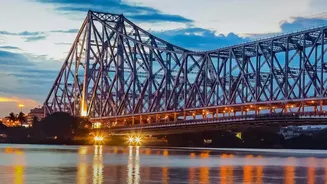
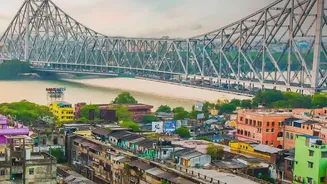
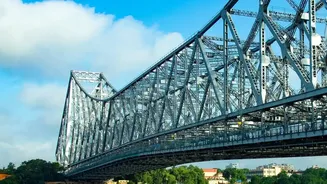
which became a global bestseller and was adapted into a film in 1992, narrated the intertwined lives of a Polish priest, an American doctor, and a rural Indian farmer, Hasari Pal, who navigates the hardships of life in a city slum. The title itself was a translation of 'Anand Nagar', the name the residents of a particular slum gave to their own neighbourhood. This poignant detail—that people living amidst extreme adversity named their home the 'City of Joy'—captured the world's imagination. Interestingly, the slum that inspired the story is located in Pilkhana, Howrah, which is technically a separate city across the Hooghly River.
A Legacy of Paradox
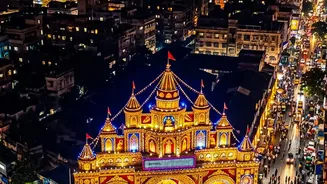
The nickname is not without its complexities. It shines a light on the city's enduring paradox: the ability to find and celebrate life amidst visible poverty and struggle. Lapierre’s book didn't shy away from depicting hardship; instead, it highlighted the profound humanity, dignity, and sense of community that flourished in spite of it. This spirit is what many Kolkatans feel is the true essence of their city. It’s seen in the warmth of its people, where strangers can easily strike up conversations over tea, and in the collective exuberance during festivals like Durga Puja, which transforms the entire city into a grand, open-air art gallery and celebration. The 'joy' is not about material wealth, but about a deep appreciation for human connection, art, and life itself.
The Cultural Capital of India
Long before it was the 'City of Joy', Kolkata was, and still is, widely regarded as the 'Cultural Capital of India'. This title reflects its history as the epicentre of the Bengal Renaissance, a period of immense intellectual and artistic awakening in the 19th and 20th centuries. The city was the capital of British India until 1911, and this colonial legacy, blended with a fierce Bengali intellect, created a unique cultural landscape. It is the birthplace of modern Indian literature and artistic thought, home to visionaries like Rabindranath Tagore, the first non-European Nobel laureate in Literature. This intellectual heritage is alive today in its countless bookshops, the famous College Street ('Boi Para'), avant-garde theatre, and a thriving film industry known as Tollywood.
More Than One Moniker
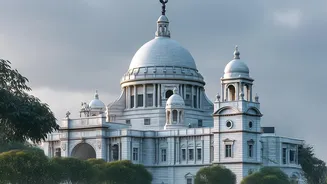
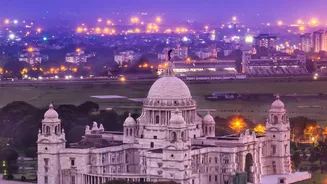
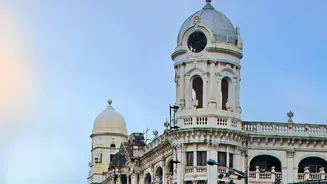
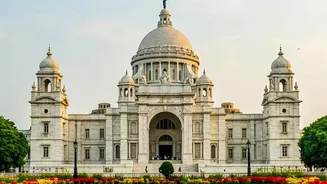
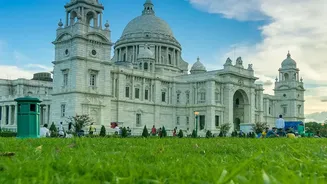
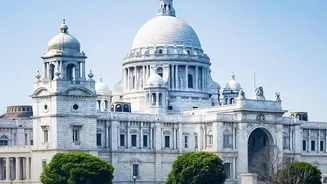
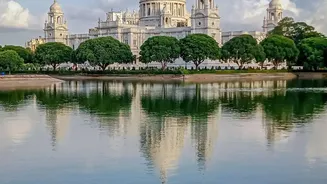
Kolkata's identity is too vast to be captured by a single name. It has also been called the 'City of Palaces', a nod to the grand colonial-era mansions and buildings that still line its streets, such as the Marble Palace and the Victoria Memorial. Other names include the 'Gateway of Eastern India', highlighting its commercial and logistical importance. These various nicknames paint a picture of a city with many layers: a place of grand history, profound intellectual depth, bustling commerce, and a deeply ingrained artistic soul. Each name offers a different lens through which to view this multifaceted metropolis.
A City in Transition
While proud of its heritage, Kolkata is not a city stuck in the past. Today, it is a metropolis in transition, balancing its colonial-era grandeur and old-world charm with modern ambitions. New skyscrapers are rising, and a burgeoning tech sector is attracting a young, skilled workforce. The city is witnessing a revival, with restoration projects for heritage buildings, the promotion of cultural festivals, and a re-emergence as a hub for startups and tourism. This modern evolution adds another dimension to its character, creating a dynamic environment where historic tram lines coexist with a modern metro system, and age-old traditions meet contemporary ideas.