


Punjab's Hearty Greens: Sarson ka Saag
No conversation about Indian winter food is complete without mentioning Punjab’s iconic Sarson da Saag. Made from mustard greens (sarson), which are harvested during the colder months, this dish is the embodiment of winter comfort. The inherent pungent
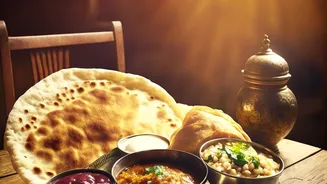
and slightly bitter taste of mustard leaves is balanced by adding other greens like spinach (palak) and bathua (chenopodium). Slow-cooked for hours until it achieves a creamy, coarse texture, the saag is traditionally finished with a tempering of garlic, ginger, and a generous dollop of white butter or ghee. This hearty, warming dish is almost always served with Makki di Roti, a flatbread made from maize flour, creating a quintessential winter meal that nourishes the soul.
Bengal's Sweet Secret: Nolen Gur
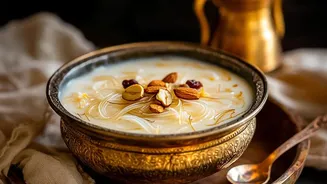
In West Bengal, winter arrives with the sweet, smoky aroma of Nolen Gur, or date palm jaggery. This seasonal delicacy, available only during the cold months, is harvested by tapping the sap of date palm trees. Its flavour is complex, with notes of caramel and a unique smokiness that transforms any dessert it touches. Bengali households and sweet shops celebrate its arrival by creating a range of iconic sweets. Gur-er Payesh, a rich rice pudding, gets a deep, luscious flavour from the jaggery. Other favourites include soft Sandesh, Joynogorer Moa (puffed rice balls), and even Nolen Gur-infused ice cream. This liquid gold is more than a sweetener; it’s a cherished cultural heritage that marks the season's festivities.
Gujarat's Winter Harvest: Undhiyu
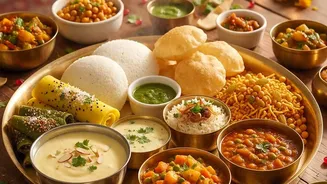
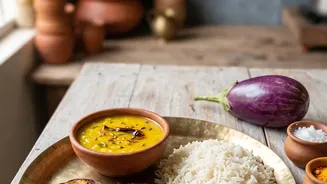
Undhiyu is Gujarat's celebrated winter specialty, a complex dish that showcases the best of the season's produce. The name comes from the Gujarati word 'undhu', meaning 'upside down', which refers to the traditional method of cooking the dish underground in sealed earthen pots. This one-pot meal features a medley of winter vegetables like surti papdi (flat beans), purple yam, baby potatoes, and small brinjals. These vegetables are often stuffed with a paste of coconut, peanuts, and spices. A key component is muthiya, spiced dumplings made from fenugreek leaves and chickpea flour, which are either fried or steamed before being added to the pot. Slow-cooked to perfection, Undhiyu is a flavourful and texturally rich dish, famously enjoyed during the Uttarayan kite festival.
Rajasthan's Warming Millet: Bajra
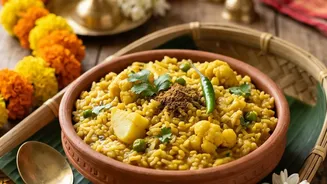
In the arid landscapes of Rajasthan, winter calls for heartier grains like Bajra (pearl millet). Traditionally considered a 'warming' food in Ayurveda, bajra is a winter staple prized for its nutritional value. It is rich in fibre, protein, and essential minerals like magnesium and iron. The most classic preparation is Bajra Roti, a dense, earthy flatbread typically slathered with ghee and served with a piece of jaggery (gur) or garlic chutney. Another beloved dish is Bajra Khichdi, where the millet is cooked with lentils and vegetables into a wholesome, one-pot meal that provides sustained energy to combat the cold. These simple yet satisfying dishes reflect a deep understanding of how to eat with the seasons.
North India's Energy Bites: Gond ke Laddoo
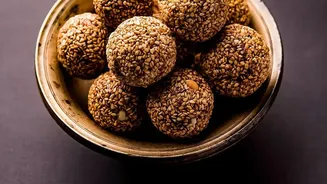
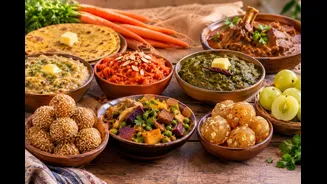
Across North India, as temperatures drop, kitchens begin preparing Gond ke Laddoo. Gond, or edible gum, is a natural resin from the acacia tree, renowned for its 'warming' properties in traditional medicine. When fried in ghee, the gond crystals puff up and become delightfully crunchy. These are then mixed with whole wheat flour, copious amounts of ghee, nuts, and sweetened with jaggery or sugar to form energy-dense laddoos. These sweets are not just treats; they are considered a nutritional supplement to boost immunity, strengthen bones, and keep the body warm during the harsh winter months. Often given to new mothers for recovery, these laddoos are a powerful, traditional remedy for winter-related ailments and fatigue.