





The hunt for a guilt-free, crunchy snack is a modern-day quest. In one corner, we have popcorn, the global movie-night champion. In the other, ragi pops, a challenger rooted in Indian tradition. Which one deserves a spot in your pantry?
The Nutritional Showdown
When it comes to
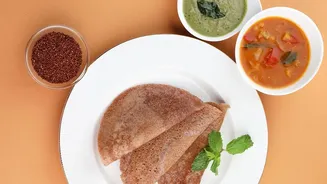
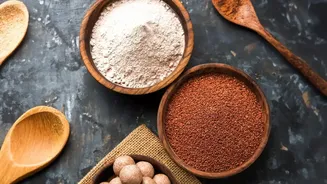
nutrition, the comparison is compelling. Ragi, or finger millet, is an ancient grain celebrated for its dense nutrient profile. Ragi puffs are exceptionally rich in calcium, with some sources stating that 100 grams of ragi contains about 344mg of calcium, which is significantly more than most other cereals. It is also a fantastic source of dietary fibre, with around 11 grams per 100g, which aids digestion and promotes a feeling of fullness. Additionally, ragi provides a good amount of iron and is naturally gluten-free, making it a suitable option for those with gluten sensitivities. Popcorn, on the other hand, is a whole grain and shouldn't be underestimated. A 100-gram serving of air-popped popcorn contains an impressive amount of fibre, around 14.5 grams, and about 13 grams of protein. However, its calcium content is much lower than ragi's. The key to popcorn's healthiness lies in its preparation; air-popped popcorn is low in calories, but versions loaded with butter and salt quickly become less healthy choices.
The Taste and Texture Test
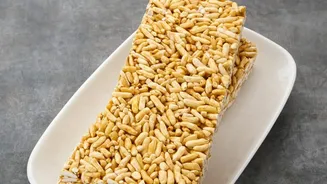
Taste and texture are where these two snacks really diverge. Popcorn is universally loved for its light, airy, and crisp texture. Its flavour is relatively neutral, making it a perfect canvas for a wide range of toppings, from classic salt and butter to more adventurous spices. Ragi puffs, sometimes sold as ragi 'murmura', have a different kind of crunch. They are often lighter than wheat-based puffs but can be denser than popcorn. The inherent flavour of ragi is earthy and slightly nutty, which gives it a distinct character. This wholesome taste pairs wonderfully with traditional Indian seasonings like cumin, turmeric, and chaat masala, or can be sweetened with a touch of jaggery. While popcorn delivers a familiar satisfaction, ragi puffs offer a more complex and robust flavour profile that feels both nourishing and tasty.
The DIY Factor: Making Them at Home
Making popcorn at home is famously simple. Whether you use an air popper, a pot on the stove, or a paper bag in the microwave, you can have a bowl of fresh popcorn in minutes. The kernels are readily available and the process is nearly foolproof. Creating ragi pops from scratch is a more involved process. To make them, ragi grains are typically soaked, sprouted, dried, and then roasted on a low flame until they pop. While sprouting enhances the nutritional value, it's a multi-day process. A simpler alternative is to buy pre-made ragi puffs or ragi 'murmura'. These can be quickly turned into a delicious snack by lightly roasting them in a pan with a bit of ghee or oil and your favourite spices, much like making a savoury chivda. So, for sheer convenience, popcorn wins hands down. However, if you're willing to either put in the effort or use ready-made puffs, a flavourful ragi snack is just a few minutes away.
The Final Verdict: Which Is Better?
There is no single 'better' snack; the right choice depends on your health goals and priorities. If your primary concern is boosting your intake of calcium and iron, ragi snacks are the clear winner. The high fibre content and low glycemic index also make ragi a great option for sustained energy release and for those managing blood sugar levels. Popcorn, when air poppeded , is an excellent low calorie , high fibre snack that can help with weight management by promoting fullness . It's a fantastic whole grain choice for those who want a large , satisfying volume of snack for very few calories . The biggest drawback for popcorn is the common preparation methods that load it with fat and sodium . For ragi , the main consideration is the preparation time if making from scratch , but commercially available puffs make it much more accessible .