






The Two-Tier System of Safety
For years, a subtle but significant divide existed among train passengers in India. Those who booked their tickets online through the IRCTC portal or app were offered complimentary travel insurance, a scheme that provides financial coverage in the event
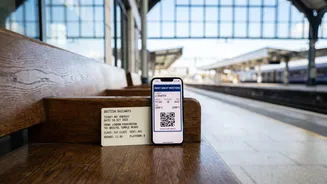
of death or disability resulting from a train accident. However, this benefit was not extended to the millions of travellers who purchased their tickets physically at railway station counters. This created a two-tier system where the method of purchase, not the journey itself, determined a passenger's access to insurance cover. If an accident occurred, only those who had booked digitally were eligible for a claim, leaving offline ticket holders and their families without recourse to this specific benefit, even though they faced the exact same risks on the same train.
A Case That Challenged the Norm
The catalyst for this change was a tragic incident and a subsequent legal battle. A passenger who had purchased a ticket from a railway counter unfortunately passed away in a train accident. When his family filed a claim for the travel insurance, the insurance company rejected it. The reason cited was that the policy was only applicable to tickets booked online. The family, believing this distinction was unfair, took the matter to the District Consumer Disputes Redressal Commission in Bhojpur, Bihar. They argued that a passenger's right to safety and insurance benefits should not depend on whether they used the internet or stood in a queue to buy their ticket. This case became a crucial test of passenger rights and the responsibilities of both IRCTC and its partner insurance companies.
The Court's Landmark Ruling
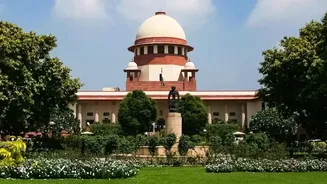
The consumer court delivered a decisive verdict in favour of the complainant. In its ruling, the commission declared that differentiating between passengers based on their mode of ticket purchase is not only a 'deficiency in service' but also 'illegal'. The court found no logical or legal basis to exclude passengers with counter tickets from the insurance scheme. It ordered the insurance company involved, along with IRCTC, to pay the full insurance amount of ₹8 lakh to the victim's family. Furthermore, the court mandated additional compensation for the mental anguish caused to the family and to cover their litigation costs, sending a strong message against such discriminatory practices.
What This Means For You
This judgment sets a powerful precedent that benefits every single person who travels by train in India. The core takeaway is that the complimentary travel insurance scheme can no longer be legally restricted to online bookings. While IRCTC and insurance providers will need to update their systems and processes to implement this, the legal principle has been established: if an insurance scheme is offered for a journey, it should be available to all passengers on that journey. This empowers passengers who buy tickets from counters, giving them the same right to insurance coverage as their digitally-savvy counterparts. It ensures that in the unfortunate event of an accident, a passenger's eligibility for a claim will not be dismissed simply because of how they paid for their ticket.
Knowing Your Insurance Cover
The optional travel insurance typically offered with train tickets provides significant coverage for a very nominal fee, and in some cases, is complimentary. The policy generally covers death or permanent total disability with a sum insured that can be several lakhs. It also includes provisions for permanent partial disability and hospitalisation expenses. While this court ruling broadens access, it's still crucial for passengers to be aware of the terms. The insurance is usually applicable only in cases of train accidents or other specified 'untoward incidents'. Understanding the scope of the cover and the process for making a claim remains important for all travellers, regardless of how they book their journey.